The ripple effects of Niamey’s fuel scarcity reach far beyond empty tanks
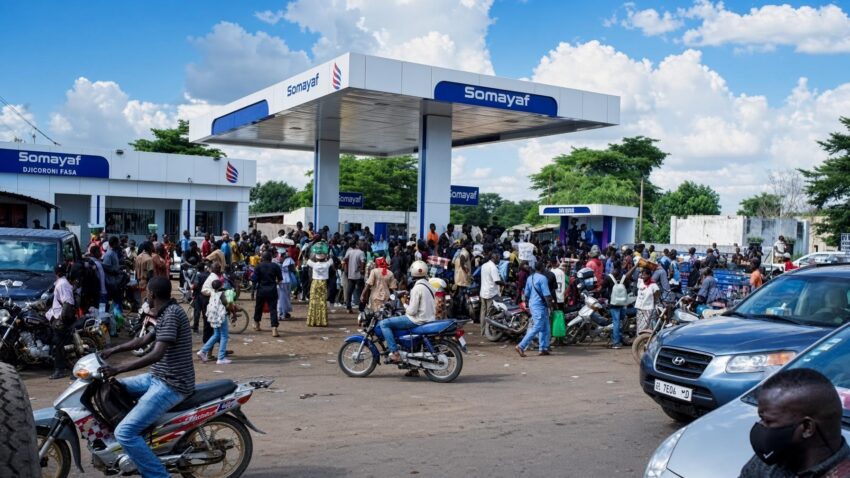
In the heart of Niger, Niamey’s streets tell a grim story of colliding crises. Once manageable queues at fuel stations have ballooned into hours-long ordeals, stripping citizens of their time and dignity. The government’s decision to publicize a meager list of operational stations backfired, funneling desperate drivers into chaotic bottlenecks that now define the city’s rhythm. What began as a logistical hiccup has metastasized into a full-blown societal strain, leaving households, businesses, and the local economy gasping for breath.
From rationing to rackets: the hidden costs of a failed fuel strategy
The fallout from Niamey’s fuel shortage isn’t just about delays—it’s about survival. With supplies dwindling, public transport grinds to a halt, forcing commuters into improvised arrangements that strain already tight budgets. Small traders, who rely on fuel to move goods across the region, watch helplessly as their lifelines wither. Meanwhile, black-market dealers seize the opportunity, peddling adulterated fuel at exorbitant prices. For many, the choice is stark: invest in overpriced, risky fuel or forfeit work entirely. The human toll is clear: lost wages, shuttered dreams, and a city teetering on the edge of economic paralysis.
Why Niger’s fuel shortage exposes deeper systemic cracks
Niger’s predicament isn’t just a supply hiccup—it’s a structural collapse. Despite hosting the Soraz refinery in Zinder, the country’s fuel production falls woefully short of demand. Official reports reveal a jaw-dropping shortfall: 196.62 million liters of gasoline and 52.60 million liters of diesel went missing in the first eight months of 2026 alone. These numbers aren’t just statistics; they’re a stark indictment of flawed planning and negligence. The abrupt halt of cheap smuggled fuel from Nigeria, once a lifeline for Nigerien drivers, has exposed the fragility of the country’s energy framework. With Soraz prioritizing diesel production and operating at a fraction of its capacity, Niger has been forced into a desperate scramble for expensive, mismanaged imports.
The government’s half-measures: a bandage on a gaping wound
Emergency rationing and cryptic station lists aren’t solutions—they’re desperation in disguise. By publishing sporadic supply updates, authorities have intensified congestion at the few places still receiving fuel, turning a manageable issue into a full-blown crisis. The silence from officials has only deepened the mistrust. When citizens demand clarity on stock levels and distribution timelines, the response is evasion and denial. Allegations of mismanagement or corruption are met with blanket dismissals, yet no evidence of transparent governance is ever provided. This culture of opacity doesn’t just delay progress—it erodes the very trust that holds a society together.
Who really pays the price of Niamey’s fuel fiasco?
The burden of this crisis doesn’t fall on the shoulders of policymakers—it’s the ordinary Nigeriens who bear the brunt. Long hours spent in fuel queues mean lost productivity and income for families. Small business owners watch as transport costs skyrocket, driving up prices for essential goods. Motorbike taxi drivers, the lifeblood of Niamey’s mobility, are forced to take on crippling debt to keep their engines running. If this crisis persists, the surge in transport costs will ripple through the economy, triggering an inflationary spiral that could destabilize the entire country. The black market isn’t a fix—it’s a symptom of a government abdicating its most basic responsibility: ensuring energy access for its people.
A fuel crisis with no end in sight
Niger’s fuel shortage is more than a logistical failure—it’s a warning sign of broader governance collapse. Without immediate, decisive action to overhaul energy production, streamline distribution, and restore transparency, Niamey’s streets will remain choked with desperation. The people of Niger deserve better than to live in the shadow of a crisis that could have been prevented. The time for excuses is over; the time for solutions is now.