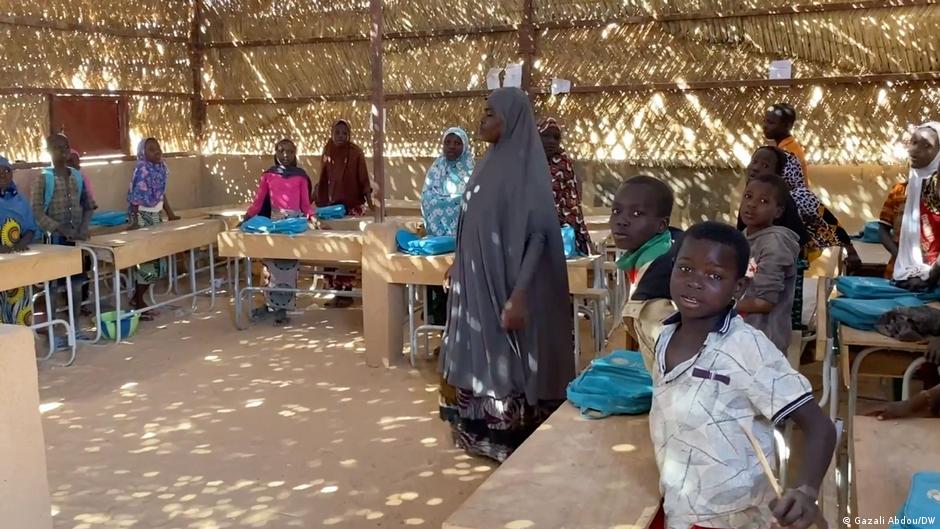
In the southwestern town of Gaya, Niger, a primary school is taking a bold step to educate children about their fundamental rights. This initiative comes as part of activities marking the African Child Day, emphasizing that human rights education extends far beyond classroom walls.
Breaking misconceptions about rights
The school bell had barely rung to signal the end of class when the real discussion began. A group of students aged 9 to 12 shared their newfound understanding of rights during a recent moral education session:
- “Before this lesson, I thought rights were only for grown-ups—like driving or voting.”
- “Now I know we have the right to healthcare when we’re sick, and no one can hurt us.”
- “We can speak up too. Teachers and parents should listen. If we need something, we can explain without fear of getting scolded.”
The teacher, Aïssatou, noted an immediate impact: “Even after class ends, the conversation continues. Students excitedly discuss their rights, applying what they’ve learned right away. Children absorb moral lessons deeply—they not only remember them but put them into practice.“
Integrating rights into everyday learning
The school follows a competency-based approach (APC), embedding human rights education across different grade levels. Omar, an education advisor, explained:
“From preschool onward, children learn about their rights through stories, songs, and interactive activities. By the time they reach secondary school, topics expand to include civic education and ethics. In primary grades, moral education serves as the foundation for human rights awareness.“
Unmet needs beyond the classroom
Not all children benefit from structured rights education. Some, like an 11-year-old collecting plastic bottles on the street, believe “rights are only for adults.” This highlights the urgent need to extend human rights education beyond school settings and into communities where many vulnerable children remain unaware of their basic protections.