Bamako families adapt to Tabaski as jihadist blockade disrupts traditions


For 30 years, Alpha Amadou Kané has called Bamako home. This year, he will celebrate Tabaski in the capital for the first time, unable to travel to his family in Mopti due to jihadist attacks on public transport.
The quarantenaire from Mopti’s central region had planned to join his loved ones for the religious holiday, but the escalating violence has made road travel too dangerous. Since late April, militants linked to Al-Qaïda’s Sahel branch have enforced a partial blockade on key routes leading to Mali’s capital, torching buses and cargo trucks.
The sight of charred vehicles has deterred transport companies from operating and travelers from risking the journey to rural areas. Tabaski in Mali is more than a religious observance—it’s a social cornerstone that reunites families often separated by work for months.
Bamako’s usually bustling bus stations lie deserted ahead of the holiday. Beyond security concerns, the transport sector faces severe fuel shortages.
“We’re not only struggling with diesel shortages that disrupt schedules, but we’ve lost vehicles in recent attacks. It’s a massive economic blow,” admits a local travel agency manager who requested anonymity.
“Normally, we transport over 50,000 passengers weekly from Bamako to the countryside during Tabaski. This year, we’re not operating at all,” reveals the operations chief of a major transport company.
Wara Bagayoko, who has driven to Ségou’s region for decades to celebrate with his community, faces an agonizing choice. “This year, I won’t go home. The roads are too risky,” he says, breaking a 30-year tradition.
While large transport firms have halted operations, some minibuses still enter Bamako via alternative routes or under military escort.
shortage of sheep
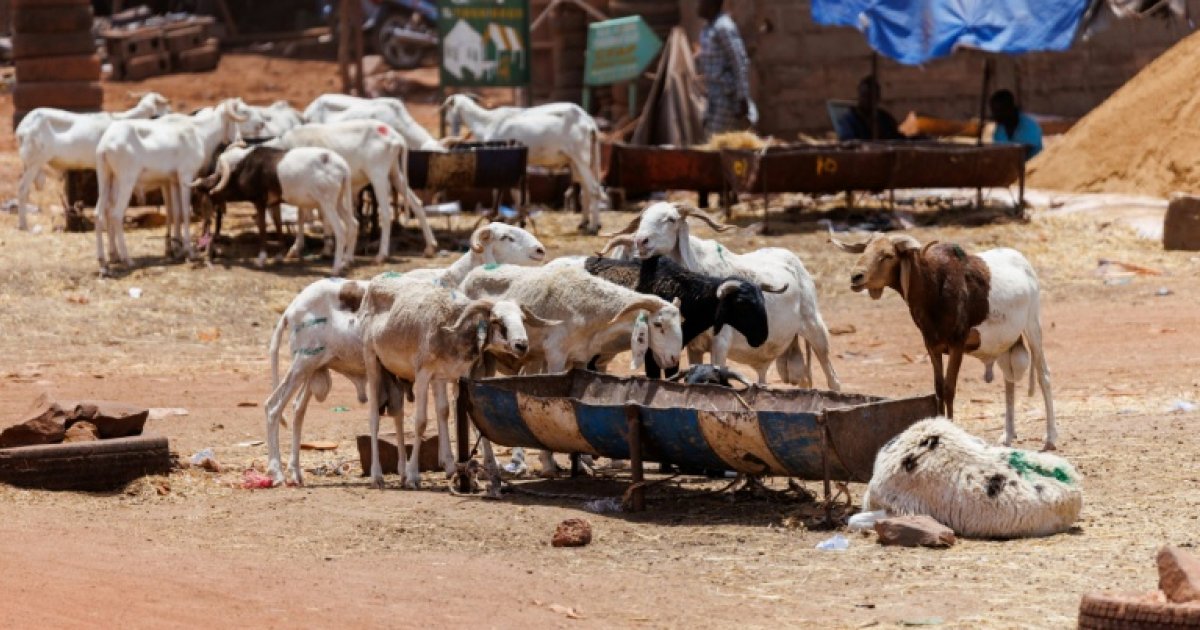
The transport paralysis is crippling the livestock supply chain critical for Tabaski’s sacrificial lambs. Herders and traders are struggling to move animals from pastoral zones to Bamako, the country’s main market.
Transporting a single sheep to the capital now costs between 15,000 and 18,000 CFA francs (€22-27)—a six-fold increase from the usual 2,500-2,750 CFA francs (€4). “Many livestock trucks were burned by militants,” explains transporter Alassane Maïga. “Normally, I’d have over 1,000 animals to deliver, but now I have none.”
Sheep that cost 75,000 CFA francs (€114) last year are now priced at 300,000 CFA francs (€457). “Before, we had plenty of options,” laments Iyi, searching for a sheep within budget. “Now, they’re practically invisible in Bamako.”
power cuts and water shortages
Security isn’t the only crisis plaguing Bamako. The capital is grappling with severe electricity blackouts and water shortages ahead of the holiday.
Tailors are struggling to fulfill festive outfit orders due to power cuts, while households worry about preserving holiday food without refrigeration.
“I bought a small solar panel, but it can’t replace grid electricity,” says Alou Diallo, a Bamako tailor. Another resident from Sirakoro expresses concern: “How will we keep the meat fresh? Buying a sheep at this price only to lose it in 24 hours to power cuts is our worst nightmare.”
Authorities recently announced fuel shipments to ease the crisis, but for many families, Tabaski will be far from the joyous occasion they’re accustomed to.