Niger confronts dual threat of polio and covid-19 outbreaks
While battling the ongoing covid-19 pandemic, Niger now faces a resurgence of poliomyelitis, with two confirmed cases reported in the regions of Niamey and Tillaberi.
The Niger government is currently managing simultaneous outbreaks of covid-19 and poliomyelitis, two diseases with distinct transmission routes but overlapping symptoms that complicate diagnosis. While covid-19 spreads through respiratory droplets, polio primarily transmits through contaminated water, undercooked food, or poor hygiene practices. Both conditions may present with fever, headaches, and coughing, creating diagnostic challenges for healthcare providers.
Dr. Pascal Mkanda, Coordinator of the Polio Eradication Program for the World Health Organization’s African Region, explained the dilemma: “The Niger had successfully halted previous polio outbreaks through comprehensive mass vaccination campaigns in 2019. However, these initiatives have been temporarily suspended due to covid-19 response requirements, particularly social distancing and hand hygiene protocols.”
In December of the previous year, Niger, along with Kenya and Mozambique, declared victory over polio outbreaks that had persisted for 24 months. The current resurgence, however, involves circulating vaccine-derived poliovirus cases in Niamey and Tillaberi, representing a new transmission chain unrelated to last year’s epidemic.
Ongoing circulation of poliovirus poses serious risks
Dr. Mkanda warned of the inevitable consequences: “The poliovirus will continue to circulate and threaten more children with paralysis, as the suspension of mass vaccination campaigns prevents timely immunization efforts.”
With Niger now joining 14 other African nations experiencing vaccine-derived polio outbreaks, the total count includes Angola, Benin, Burkina Faso, Cameroon, Central African Republic, Chad, Côte d’Ivoire, Democratic Republic of Congo, Ethiopia, Ghana, Mali, Nigeria, Togo, and Zambia.
The primary drivers behind these outbreaks include:
- Inadequate routine vaccination coverage
- Vaccine hesitancy among certain populations
- Geographic barriers to healthcare access
- Suboptimal vaccination campaign quality
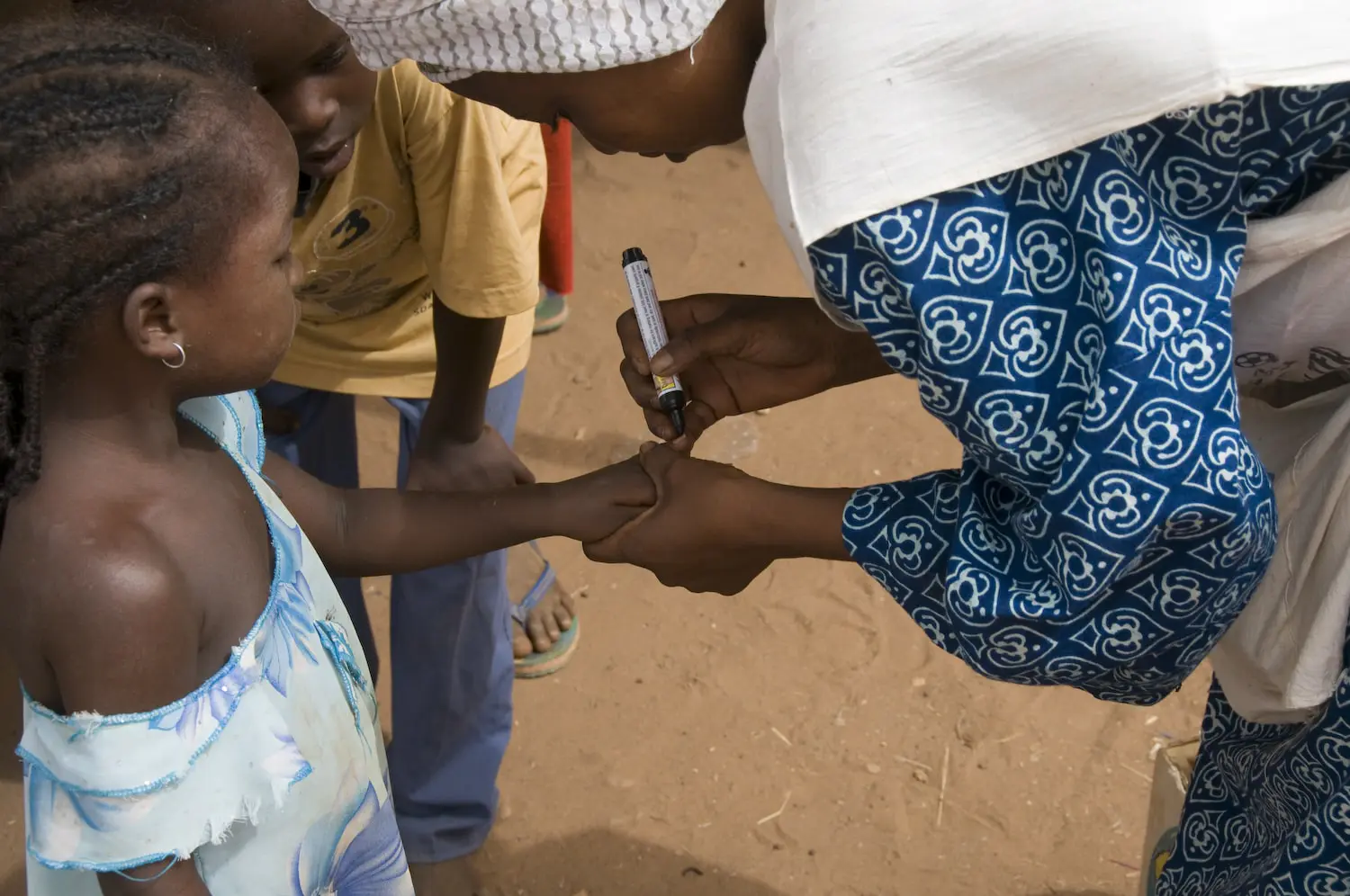
Although mass vaccination activities remain postponed, the Polio Eradication Program is maintaining essential disease surveillance functions. While no cure exists for polio, the disease is entirely preventable through vaccination. Efforts are underway across Niger and other affected African nations to rapidly boost child immunity and prevent polio-related paralysis.