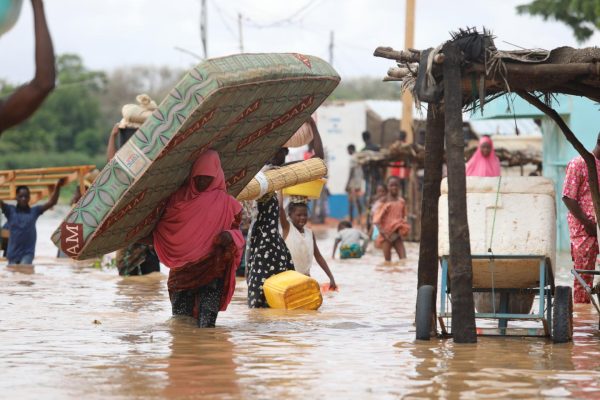
As the rainy season approaches, Niger’s authorities are raising urgent concerns about potential livestock losses and infrastructure damage expected during the 2026 hivernage (rainy season). The Operational Centre for Monitoring, Alerting, and Crisis Management (COVACC) under the Interior Ministry has issued a strong warning to rural communities, particularly pastoralists, urging heightened vigilance.
On May 11, 2026, COVACC, operating under Niger’s Interior Ministry, called for maximum caution as national weather forecasts predict a normal to above-average rainy season. Violent winds accompanying these rains could lead to livestock losses and damage to essential infrastructure across the country’s agropastoral belt.
COVACC warns of growing threats as rains approach
With early signs of rain on the horizon, Niger’s government is already bracing for the potential fallout of an intense rainy season. COVACC has specifically alerted rural populations, especially pastoral communities, to the dangers posed by the seasonal storms that typically accompany the onset of rains.
The National Meteorology Directorate projects that the 2026 rainy season will bring “normal to above-average” rainfall across Niger’s agropastoral zone. While these conditions may benefit agriculture, they also pose significant risks to livestock and rural infrastructure.
Violent winds pose severe threats to livestock
COVACC highlights that early-season rains often bring destructive winds, particularly hazardous for weakened livestock still recovering from the dry season. Malnourished animals face heightened vulnerability to accidents and mass losses during these storms.
Beyond livestock risks, these weather events frequently cause extensive material damage. Roofs torn off, collapsed mud-brick buildings, and destruction of public infrastructure are common occurrences during this period.
Early damages already reported
As of May 11, 2026, data from the General Directorate of Civil Protection (DGPC) shows damage in multiple regions. In Allakaye, Bouza Department (Tahoua Region), violent winds destroyed a three-classroom school block, a mud-brick classroom, and a wall of an integrated health centre (CSI).
In Dosso Region’s Dankassari commune, storms caused significant destruction, including a two-classroom block, a storage warehouse, six streetlights, and five electric poles.
COVACC urges enhanced disaster preparedness
In response to these risks, authorities are implementing stricter prevention measures to reduce human, animal, and property losses.
COVACC advises communities to closely monitor weather updates and official alerts. Pastoralists are urged to shelter livestock during windstorms and avoid flood-prone areas. The centre also warns against herding animals through koris (dry riverbeds) or dry river courses, which can suddenly transform into raging torrents during heavy rains.
Residents are further advised to stay clear of flash flood pathways and report any incidents to local authorities immediately.
A critical challenge for a pastoral-dependent nation
In Niger, where livestock farming is a cornerstone of the economy and livelihoods for millions, every rainy season presents a dual reality: renewed pasture growth alongside heightened climate-related vulnerabilities.
With escalating security and economic pressures, the government is prioritizing stronger early warning systems to mitigate the impact of natural disasters on rural communities. As the peak of the rainy season approaches, COVACC’s message is unambiguous: prevention remains the most effective defence against climate unpredictability. For Nigerien pastoralists, the 2026 rainy season may either restore vitality to grazing lands or jeopardise years of hard-won resilience.