Regional alliance dismantles Boko Haram’s Lake Chad bastions
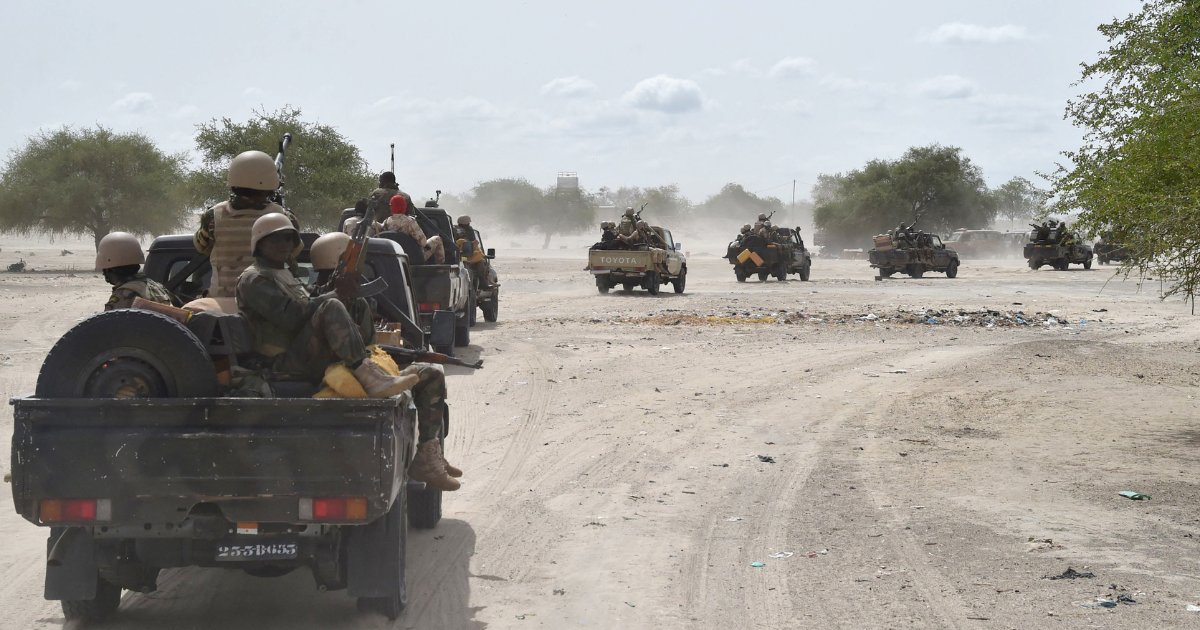
A coordinated military campaign led by Chad, with direct support from Nigeria and Niger, has forced Boko Haram jihadists into retreat from their Lake Chad strongholds. Local fishermen and intelligence sources confirm the militant group’s fighters are abandoning island camps under heavy aerial and ground assaults that began last Friday.
Tchad’s precision strikes dismantle jihadist networks
The offensive targets remote islands scattered across the Lake Chad basin, a sprawling wetland shared by Nigeria, Cameroon, Niger and Chad—a region that has served as Boko Haram’s operational heartland since 2009. Military aircraft from Chad conducted sustained bombing runs on suspected jihadist positions, while ground troops engaged in direct combat on key islands.
Tragically, the bombardment claimed numerous civilian lives when fishing boats working in Boko Haram-controlled waters were caught in the crossfire. Nigerian fishermen operating in the area, who had been forced to pay protection taxes to the extremist group, reported multiple casualties among their ranks.
Jihadists flee as regional forces tighten grip
Fishermen arriving in Maiduguri, the capital of Borno State in Nigeria, described scenes of Boko Haram fighters abandoning their island bases with families in tow, using small canoes to escape the advancing military pressure. “They’re fleeing from Shuwa zone islands along the Nigeria-Niger-Chad border,” reported Suleiman Hassan, a local fisherman who witnessed the exodus.
Key escape routes included islands such as Dogon Chukwu, Kangarwa, Gashakar, Yawan Mango and Kwatar Mota, according to multiple eyewitness accounts. Meanwhile, Chadian troops engaged in direct confrontation with jihadists on Kaukeri Island, widely recognized as Boko Haram’s primary Lake Chad stronghold.
Retaliation follows deadly ambushes
The military operation represents a direct response to recent high-profile attacks by Boko Haram against Chadian security forces. Just last week, Chad declared three days of national mourning following an ambush that killed two generals. This followed an earlier assault on a military base along the lake’s shores that resulted in at least 24 soldier fatalities.
Intelligence sources reveal that Nigeria and Niger are actively participating in the aerial campaign, with each country deploying two fighter jets to coordinate with Chadian forces. “The operation is a true tri-national effort,” stated a Nigerian intelligence officer who requested anonymity.
ISWAP rivalry complicates jihadist survival
With their movement restricted to Lake Chad’s shores, Boko Haram fighters now face an additional threat: their former allies in the Islamic State West Africa Province (ISWAP), with whom they split in 2016. The rivalry has created a dangerous no-man’s-land where fleeing jihadists risk falling prey to ISWAP’s own territorial ambitions.
The decade-long insurgency has devastated communities across Nigeria‘s northeast and spilled over into neighboring Niger, Chad and Cameroon. In response, these nations have reactivated the Multinational Joint Task Force—a coalition originally established in 1994 to combat cross-border threats.
The combined military pressure appears to be paying dividends, with Boko Haram’s operational capacity significantly degraded across their traditional Lake Chad strongholds.