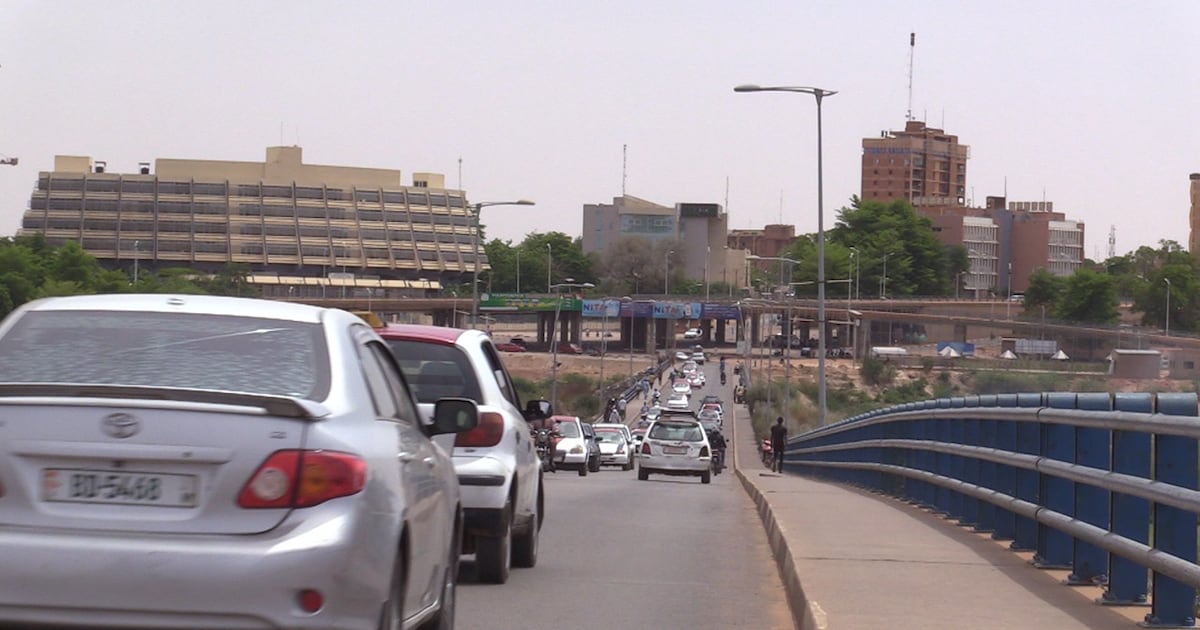
With over 29 million residents, Niger faces a severe housing shortage that has intensified in recent years. The National Statistics Institute reports a yearly demand for 40,000 new homes nationwide, with Niamey alone requiring 5,000 annually. This chronic deficit has driven rental prices to unsustainable levels, prompting urgent government intervention.
In response, authorities announced a landmark rent control policy in August 2025, culminating in April 2026 with a presidential decree capping rental prices. In Niamey, the maximum monthly rent for a three-room apartment is now fixed at 80,000 West African CFA francs (approximately 122 euros). The new regulation aims to curb the relentless upward trend in housing costs that has burdened families across the capital.
Citizens like Soufiane Adamou share their relief: “This is a game-changer for Niamey residents like me. The exorbitant cost of housing has long been one of our biggest struggles.”
Mamadou Ibrahim, another resident, highlights the financial strain: “Most low-income families spend a disproportionate share of their income on rent. When the government steps in to regulate this sector, it’s a lifeline for countless households.”
Balancing hope with oversight
While the policy has been widely welcomed, some residents express concerns about enforcement. Aboubacar Sallah emphasizes the need for strict monitoring: “Without rigorous oversight, landlords may find ways to bypass the new rules, defeating the purpose of this reform.”
The decree doesn’t just set price limits—it also introduces penalties for non-compliance. Landlords who misrepresent property details or fail to register lease agreements within three months face five to fifteen days in jail, alongside fines ranging from 50,000 to 99,000 West African CFA francs.
The government’s move reflects a broader commitment to making housing more accessible while safeguarding household budgets. For Niamey’s residents, the reform offers both hope and a call to vigilance as they await its full implementation.