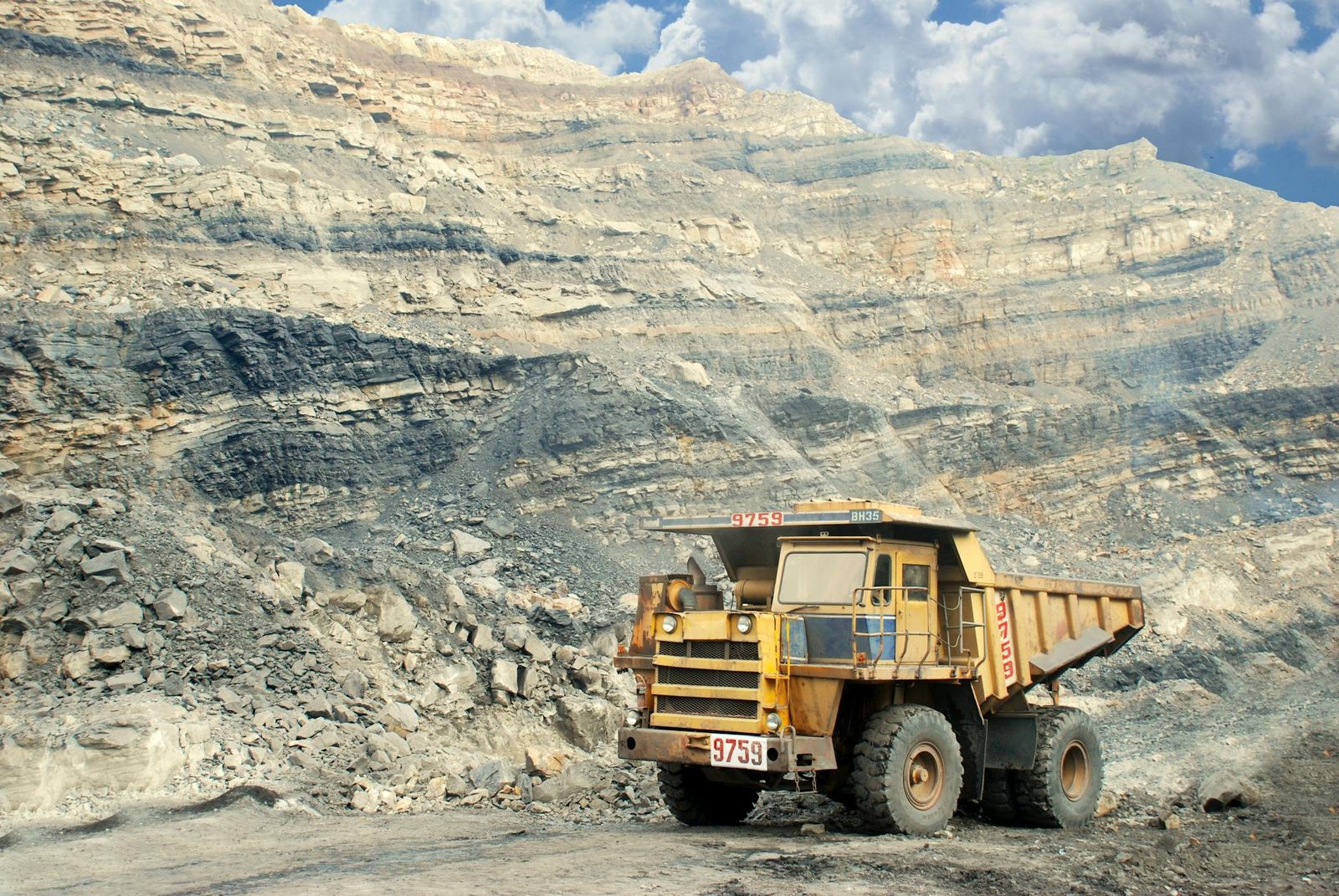
The Republic of Niger has formally announced the establishment of the Timersoï Uranium Mining Company (TSUMCO), a state-owned entity set to take over the uranium mining operations at Arlit, in the northern region of the country. This landmark move simultaneously concludes the long-standing concession previously held by the French multinational Orano, formerly known as Areva, over one of the Sahel’s most critical mineral deposits. The decision underscores Niamey’s ongoing commitment to reclaiming control over its natural resources during the current transition period.
TSUMCO: a bold step toward uranium independence
The formation of TSUMCO reflects the government’s resolve to domesticate the entire value chain of uranium—a mineral of strategic importance. The Arlit mining site, operational since the early 1970s, has long served as a cornerstone of France’s civil nuclear fuel supply. Shifting its management to a national company fundamentally alters the economic landscape: the State, previously a minority shareholder or technical partner, now assumes the role of direct operator.
This transition raises critical operational considerations. Uranium extraction demands specialized expertise, stringent radioprotection protocols, and secure commercial pathways. TSUMCO must promptly address key industrial decisions, including the integration of local workforce, maintenance of aging infrastructure, and potential partnerships for processing and exporting the ore.
Orano’s exit: closing a 50-year chapter in Niger
For Orano, the loss of its Arlit operations closes a half-century chapter in Niger. The company, which evolved from Cogema and Areva, managed its uranium ventures through two prominent subsidiaries: the Société des mines de l’Aïr (Somaïr) and the Compagnie minière d’Akouta (Cominak). The latter ceased activities in 2021. Since the July 2023 coup d’état and the subsequent strain in relations between Paris and Niamey, the future of French-owned assets in Niger has steadily worsened.
The withdrawal of the exploitation permit for the Imouraren deposit, announced in 2024, served as an early warning. The termination of Arlit’s concession now cements Niger’s determination to move decisively beyond its historical mining partnership with France. Legal disputes may persist on international arbitration grounds, as Orano has already initiated proceedings over other Niger-based assets.
Mining sovereignty and shifting alliances
TSUMCO’s creation is part of a broader regional trend. In Mali and Burkina Faso, transitional governments have revised mining codes, renegotiated contracts, and increased state participation in extractive projects. The tri-country alliance within the Sahel States Alliance (AES) champions a sovereign approach to mineral wealth.
For Niger, diversification of buyers is essential. Russia, China, Turkey, and several Gulf states are frequently mentioned as potential partners for strategic Sahelian minerals. Nigerien uranium, which has supplied roughly one-fifth of the European Union’s nuclear fuel in recent years, may now see its trade routes fundamentally reshaped. Long-term supply agreements with EDF and other European utilities will need reassessment under this new framework.
Fiscal impact remains a key question. Historically, uranium revenues have contributed modestly to Niger’s public finances. Under direct state management, TSUMCO could enhance profitability—provided it secures solvent markets and controls operational costs. In the short term, maintaining uninterrupted production, preserving local jobs, and ensuring radiological safety at the site are immediate priorities.
This development highlights the deeper geoeconomic realignment underway in central Sahel. Beyond symbolism, TSUMCO’s launch commits Niger to a demanding path where declared sovereignty must translate into measurable industrial success.