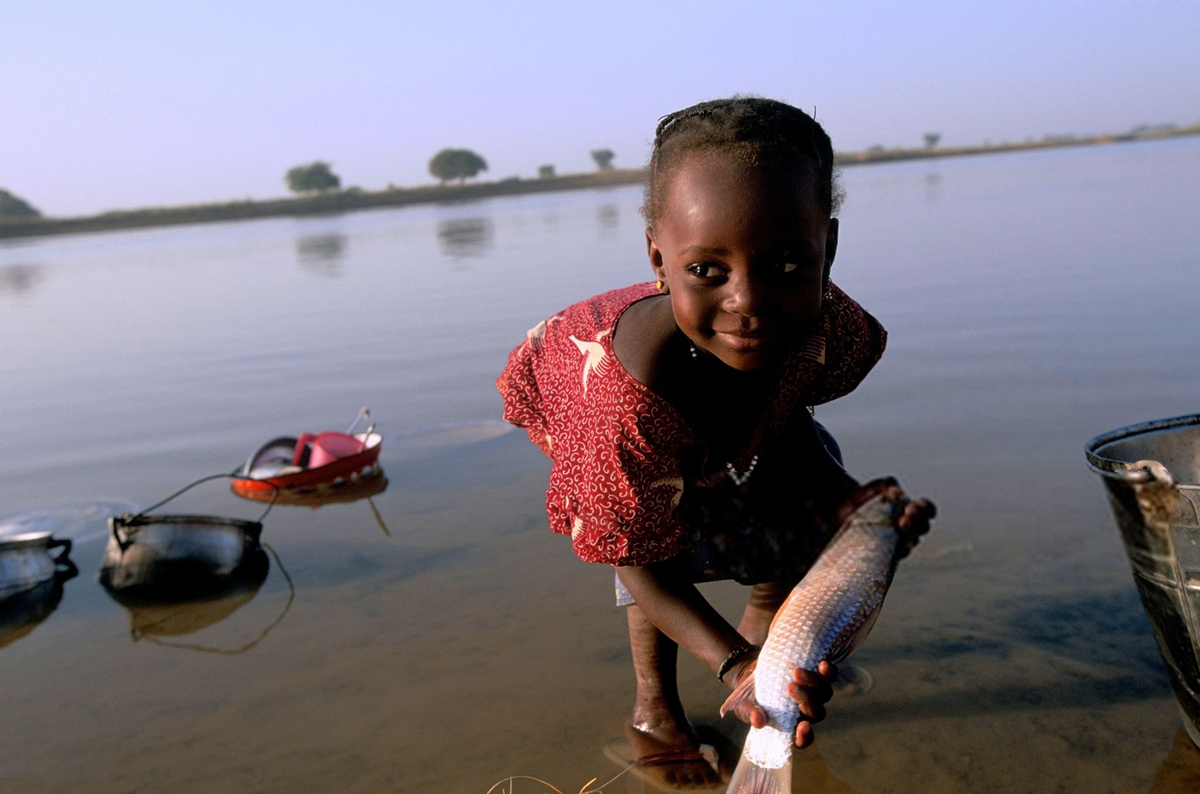
The World Health Organization (WHO) has officially recognized the Niger as the first country in Africa—and the fifth globally—to eliminate Onchocerca volvulus, the parasite responsible for river blindness.
« Eliminating a disease is a monumental achievement that demands relentless dedication, » stated Dr. Tedros Adhanom Ghebreyesus, WHO Director-General. « The Niger’s commitment to freeing its people from this stigmatizing and blinding disease, which disproportionately affects the poorest, underscores the remarkable progress we’ve made in combating neglected tropical diseases. This milestone offers hope to nations still battling river blindness, proving that elimination is within reach. »
River blindness, scientifically known as onchocerciasis, ranks as the second leading infectious cause of blindness worldwide, surpassed only by trachoma. The disease spreads through the bites of infected blackflies, predominantly near riverbanks. It disproportionately impacts rural communities in sub-Saharan Africa and Yemen, with isolated endemic areas in Latin America.
country-led initiatives and global partnerships drive success
From 1976 to 1989, under the Onchocerciasis Control Programme (OCP) in West Africa, the Niger implemented vector control measures, including insecticide spraying, which significantly reduced transmission rates of the parasite. Following donations of ivermectin by Merck, Sharp & Dohme (MSD), a mass drug administration (MDA) campaign using ivermectin and albendazole was launched between 2008 and 2019 in areas still affected by lymphatic filariasis. These regions were later monitored for progress. Since ivermectin is effective against both diseases and the targeted areas overlapped with onchocerciasis-endemic zones, this intervention also helped interrupt the transmission of Onchocerca volvulus.
The Niger initiated preliminary assessments in 2014 to evaluate the interruption of onchocerciasis transmission after discontinuing MDA for lymphatic filariasis in most regions. Subsequent entomological and epidemiological surveys confirmed that the combined efforts of drug administration and vector control had successfully halted transmission, as evidenced by a dramatic drop in prevalence from approximately 60% to just 0.02%.
Beyond vector control and pharmaceutical donations, the Niger’s success was bolstered by collaborative partnerships with the government, WHO, and NGOs. These alliances facilitated resource mobilization, technical support, and continuous disease surveillance, enabling rapid strategy adjustments to ensure intervention effectiveness.
« River blindness has long inflicted immense suffering and stunted economic growth in affected communities, » explained Dr. Matshidiso Moeti, WHO Regional Director for Africa. « The Niger’s achievement not only liberates its population from this burden but also sets a powerful example for other African nations striving to eliminate neglected tropical diseases. The country has already demonstrated its public health leadership by eliminating Guinea worm disease in 2013—a historic milestone. This new accomplishment further cements its role as a regional health pioneer. »
global progress in eliminating neglected tropical diseases
Globally, 54 countries have successfully eliminated at least one neglected tropical disease. The Niger joins four other nations certified by WHO for eliminating river blindness, all located in the Americas: Colombia (2013), Ecuador (2014), Guatemala (2016), and Mexico (2015).
In the WHO African Region, 21 countries have eliminated at least one neglected tropical disease. For the Niger, river blindness marks the second such elimination—the country was certified free of Guinea worm disease transmission in 2013.