Government intervention targets speculative practices
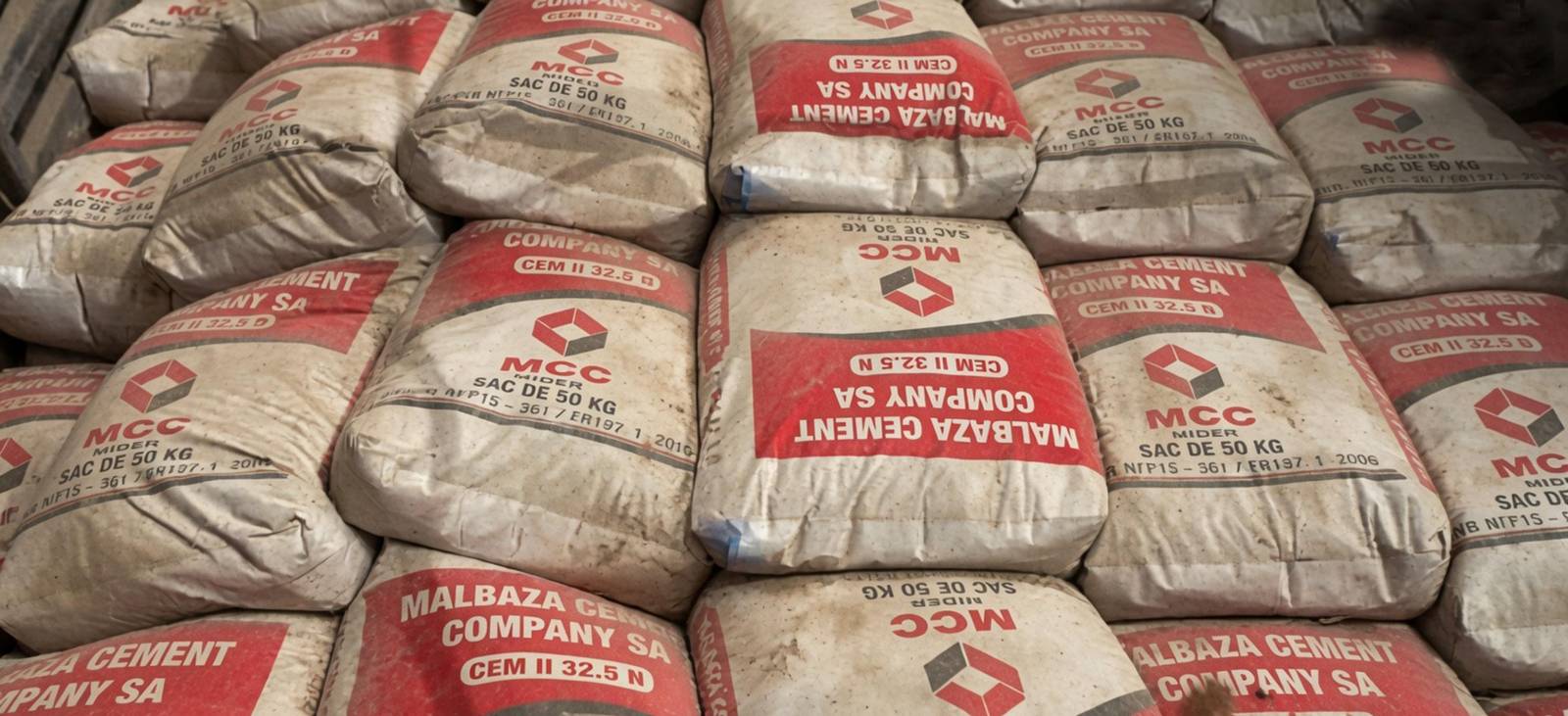
In response to escalating cement prices and reported shortages across multiple regions, Niger’s authorities have implemented emergency measures to regulate the market. On July 13, 2026, the Ministry of Commerce and Industry issued two decrees establishing a price ceiling for 42.5 N cement and introducing strict penalties for non-compliance, including the seizure of illicitly held stockpiles.
Consumer protection vs. structural challenges
The government’s rationale for these actions stems from the need to shield households from exploitative practices by unscrupulous traders allegedly manipulating supply and demand to inflate prices. While the intent to curb speculation is understandable, the administrative price cap raises significant concerns about its long-term efficacy.
International experience demonstrates that price controls, when unaccompanied by measures to enhance supply or streamline distribution networks, often yield unintended consequences. When market realities—such as production costs, transportation fees, or import tariffs—exceed regulated margins, suppliers may curtail sales, reduce procurement, or divert products to unmonitored secondary markets where prices remain unchecked.
Potential pitfalls of enforcement measures
The decree’s provision allowing for systematic confiscation of non-compliant stockpiles introduces additional complexities. While intended to deter malpractice, this clause risks fostering administrative overreach without transparent oversight mechanisms or robust legal safeguards. The absence of clear guidelines could precipitate disputes, arbitrary interpretations, or erosion of trust between regulators and market participants.
Underlying market fragilities remain unaddressed
Beyond targeting individual malfeasants, the current crisis underscores systemic vulnerabilities within Niger’s cement sector. Persistent supply chain disruptions, elevated logistics expenditures, importation bottlenecks, and insufficient local production capacity cannot be resolved through ministerial decrees alone.
Industry stakeholders consistently emphasize that sustainable price stability hinges on a well-functioning market ecosystem. Without substantial improvements in production efficiency, streamlined import procedures, and optimized distribution networks, recurring shortages are likely to persist despite punitive measures.
A temporary solution to a complex crisis
The government’s swift action reflects mounting public frustration over rising living costs. However, this administrative fix addresses symptoms rather than root causes. While enhanced oversight may curb some immediate abuses, it cannot substitute for comprehensive structural reforms aimed at fostering a resilient and transparent cement market.
The path forward demands collaborative engagement among policymakers, manufacturers, distributors, and consumers to rebuild confidence and implement lasting solutions. Without addressing the foundational issues driving speculation and scarcity, price controls may provide only fleeting relief while exacerbating market distortions that disproportionately impact ordinary citizens.