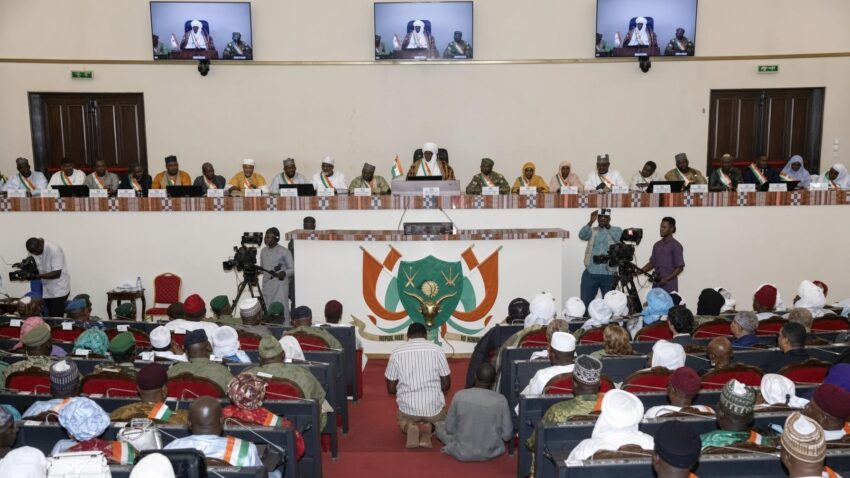
The first extraordinary session of 2026 of Niger’s Consultative Council for Refoundation (CCR) has ended with a recommendation that landed like a thunderclap, confirming fears that had been simmering for months. The advisory body has openly called for an increase in pump prices for petroleum products — a delicate move described behind closed doors as a bitter but unavoidable pill needed to protect the country’s macroeconomic stability and energy security.
A tariff increase forced by financial strain
With supply tensions dragging on and financial pressures weighing heavily on the Société Nigérienne des Produits Pétroliers (SONIDEP), the CCR is urging the government to take the leap. The institution recommends a reasonable increase in hydrocarbon prices, arguing that artificially holding tariffs at their current level undermines the sector’s viability and deepens the country’s exposure to external shocks.
The proposal aims to close the operating deficit that is crippling import and storage capacity. For the CCR, adjusting pump prices is the essential condition for avoiding chronic shortages that would hit the national economy even harder.
A package of structural reforms to soften the blow
Aware of the social impact such a measure would have on Nigeriens’ purchasing power, the Council has tied the increase to a deep overhaul of the energy sector. According to the report concluded by Dr Mamoudou Harouna Djingarey, the price hike must not become a blank cheque for managers.
The CCR is demanding a set of strict measures:
- Audit and transparency: An immediate institutional and financial audit of SONIDEP, along with full digitalisation of the distribution chain to track value leaks and clarify governance.
- Targeted subsidies: Direct financial support to SONIDEP to stabilise its import operations without passing the full real costs onto the end consumer.
- Corridor diversification: Formalising the Algerian route as a priority corridor to supply the northern part of the country, reducing reliance on the more costly maritime and road routes from the south.
- Energy sovereignty: Greater investment in national refining and strategic storage capacity to cushion the impact of international price swings.
A crucial arbitration for the government
By linking the price increase to public management clean-up requirements, the CCR has put the ball back in the government’s court. With the 2026 agricultural campaign also requiring urgent budget decisions to mobilise food security stocks, the executive must now determine the exact level of the increase to apply without suffocating households and economic players.