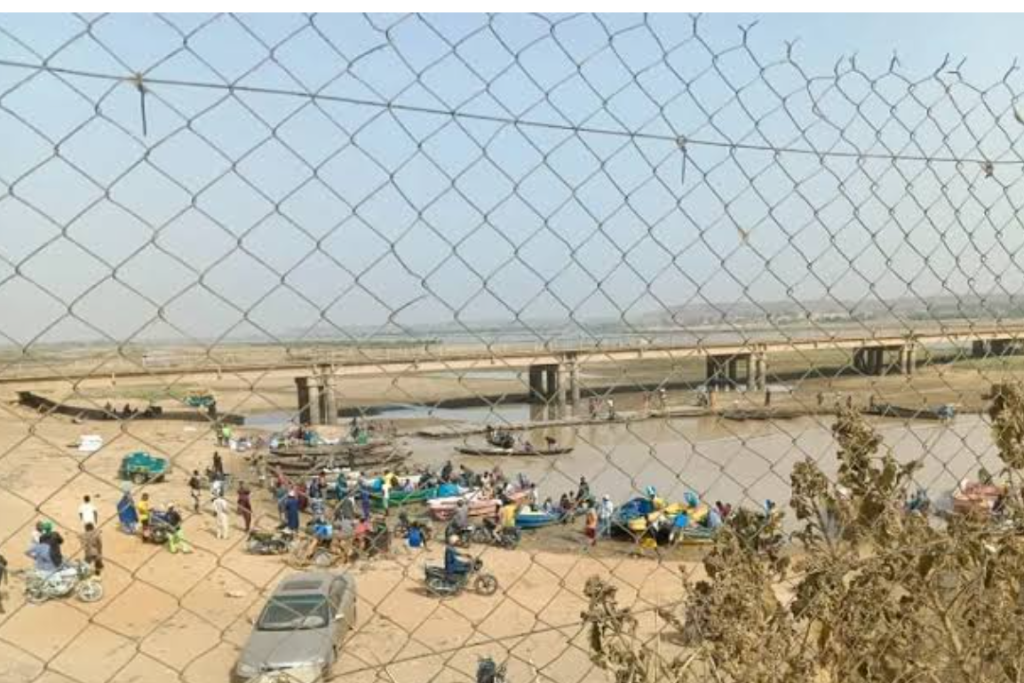
The International Monetary Fund has delivered a harsh economic reality check to Niger: border closures have drained public coffers of a staggering 117 billion West African CFA francs. As trade arteries linking Sahelian markets to coastal ports remain severed, the financial hemorrhage exposes the fragility of military-led governance and its high-stakes gamble on regional isolation.
When political tensions drain the treasury dry
According to the IMF assessment, the abrupt halt in cross-border commerce has carved a financial chasm of 117 billion CFA francs in Niger’s public revenue. This staggering shortfall mirrors a broader West African crisis triggered by political upheavals across the Sahel. Customs and tax revenues—lifelines for regional economies—have plummeted as historic trade routes fall silent. Military regimes, wagering on geopolitical pressure through border blockades, underestimated the cost: their actions have not cowed neighbors but drained state funds critical to sustaining education, healthcare, and infrastructure. The paradox is stark—authorities claim to champion sovereignty while dismantling the very financial pillars they depend on.
From market stalls to family budgets: inflation’s brutal impact
The IMF’s cold statistics obscure a human crisis unfolding daily in local markets. With supply chains throttled, essential goods—rice, cooking oil, sugar, and even cement—have surged in price. The scarcity stems from halted truck convoys and rerouted logistics, forcing small traders to navigate costly detours. Inflation, now a relentless force, punishes the most vulnerable first. By severing transnational trade arteries, governments have dismantled the microeconomic lifelines that sustained entire communities. The cost of living, once manageable, has become a daily struggle for households already grappling with economic instability.
The security narrative: a smokescreen for economic failure
Faced with collapsing finances, military authorities in the Sahel alliance cling to a familiar script—blaming external threats or infrastructure sabotage for their woes. Bridges and roads closed under ‘security’ pretexts are framed as patriotic acts, yet the true motives grow harder to ignore. This rhetoric serves as a distraction from glaring policy failures: mismanagement of public funds, stalled economic reforms, and a refusal to engage with regional partners. The militarization of trade decisions has not delivered prosperity; it has suffocated private investment and plunged economies into a cycle of dependency on fragile financial lifelines.
A call for pragmatic solutions before irreversible damage
The IMF’s 117 billion CFA franc deficit is not a political talking point—it is a wake-up call. Ideological posturing and finger-pointing at international bodies cannot reverse the damage. The Sahel’s economic engine runs on movement: goods, people, and capital must flow freely. Military regimes that transformed borders into political weapons have weakened the region at its core. To avert social collapse, urgent steps are needed: reopening trade routes, restoring dialogue with economic blocs, and dismantling artificial barriers. The survival of ordinary citizens depends on leaders prioritizing pragmatism over posturing—before the crisis spirals beyond repair.