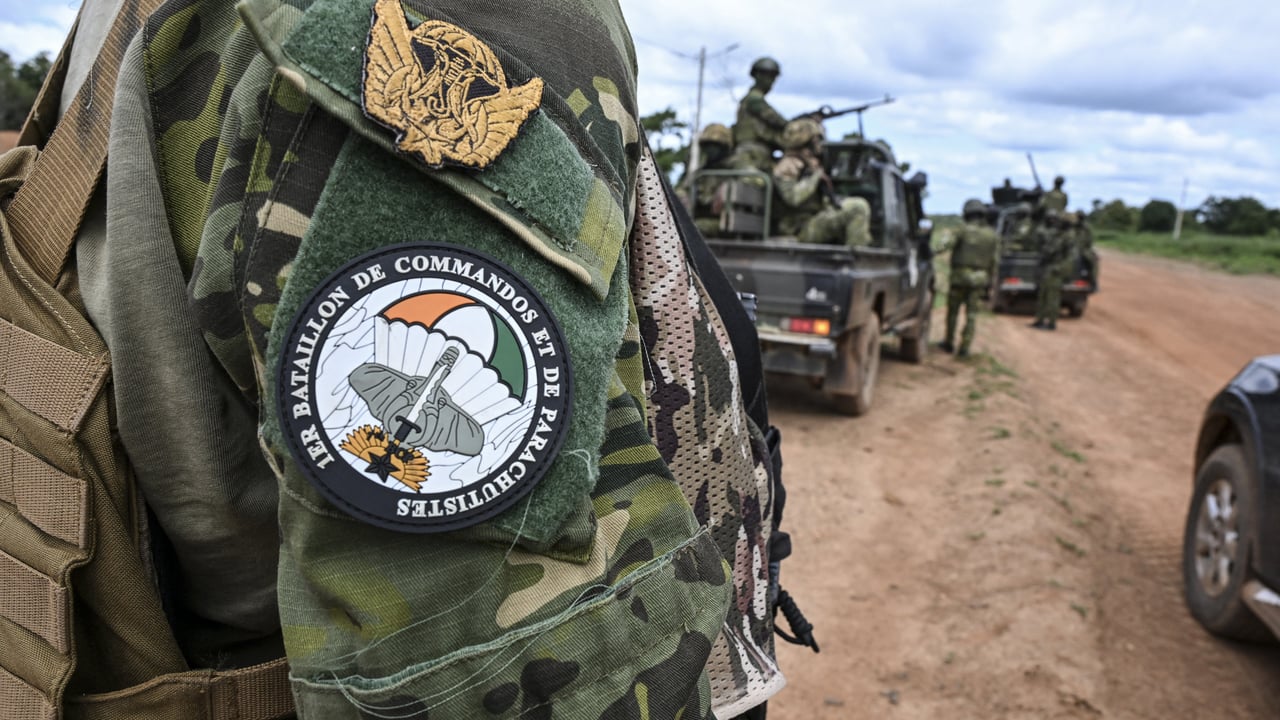
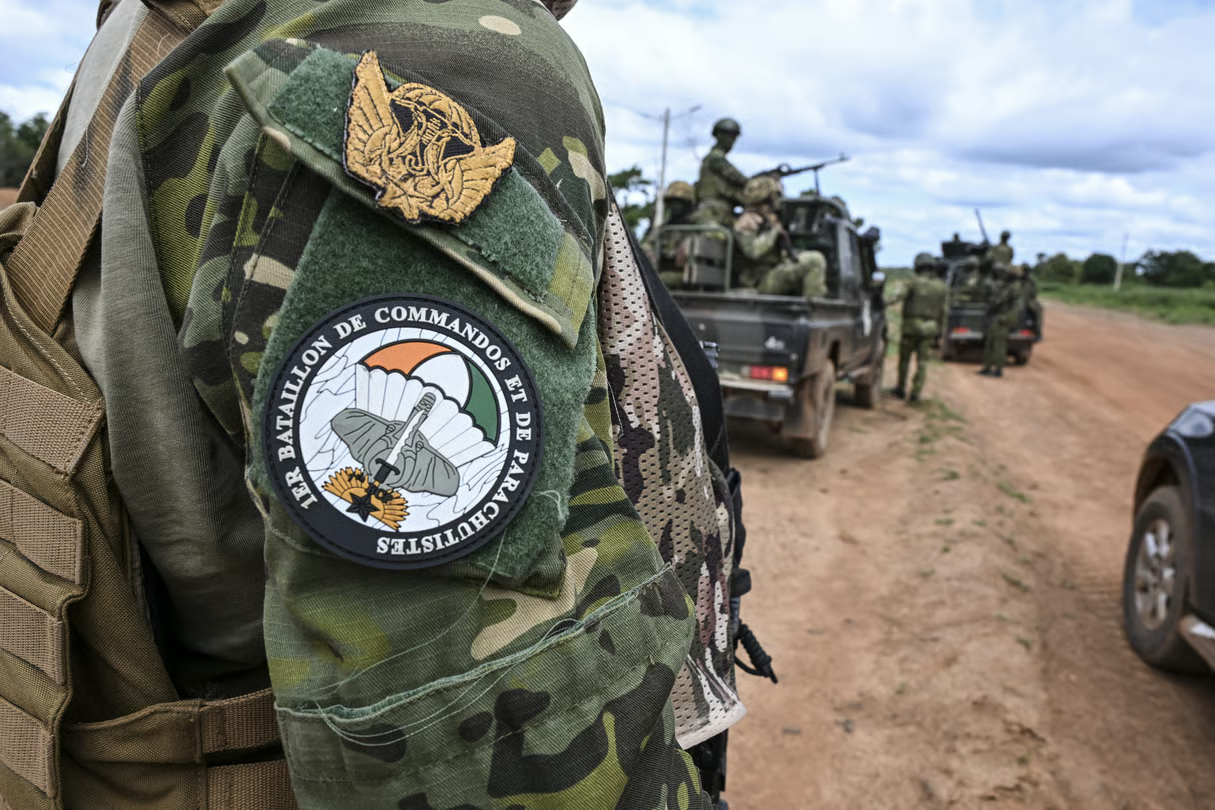
In the strategically vital borderlands of northeastern Côte d’Ivoire, particularly around the village of Mororo, situated close to Tougbo, Ivorian military personnel are maintaining a constant vigil. This area has emerged as a critical defense line against the persistent threat of jihadist incursions, which frequently originate from the increasingly unstable territories across the boundary with Burkina Faso. Ensuring security here is a top priority for President Alassane Ouattara’s administration, as regional stability faces severe challenges from extremist factions.
During my time speaking with local inhabitants, a blend of hope and underlying concern was evident. Many articulated nuanced perspectives on the broader regional dynamics, often referencing figures such as Ibrahim Traoré. “We believed in Ibrahim Traoré,” one resident shared, underscoring the complex interplay of leadership and public expectations in the ongoing fight against terrorism across the wider Sahel region. The strategies adopted by leaders like Traoré in Burkina Faso and Assimi Goïta in Mali are under close scrutiny, given their direct influence on the security landscape of neighboring states, including Côte d’Ivoire.
The dedication of Ivorian armed forces to fortify this northern frontier is unmistakable. Their regular patrols serve as a powerful reminder of the continuous commitment required to protect local communities and halt the spread of terrorist activities into Ivorian sovereign territory. This enduring struggle highlights the deep interconnectedness of security challenges throughout West Africa, where effective counter-terrorism efforts demand unwavering vigilance and robust regional collaboration.