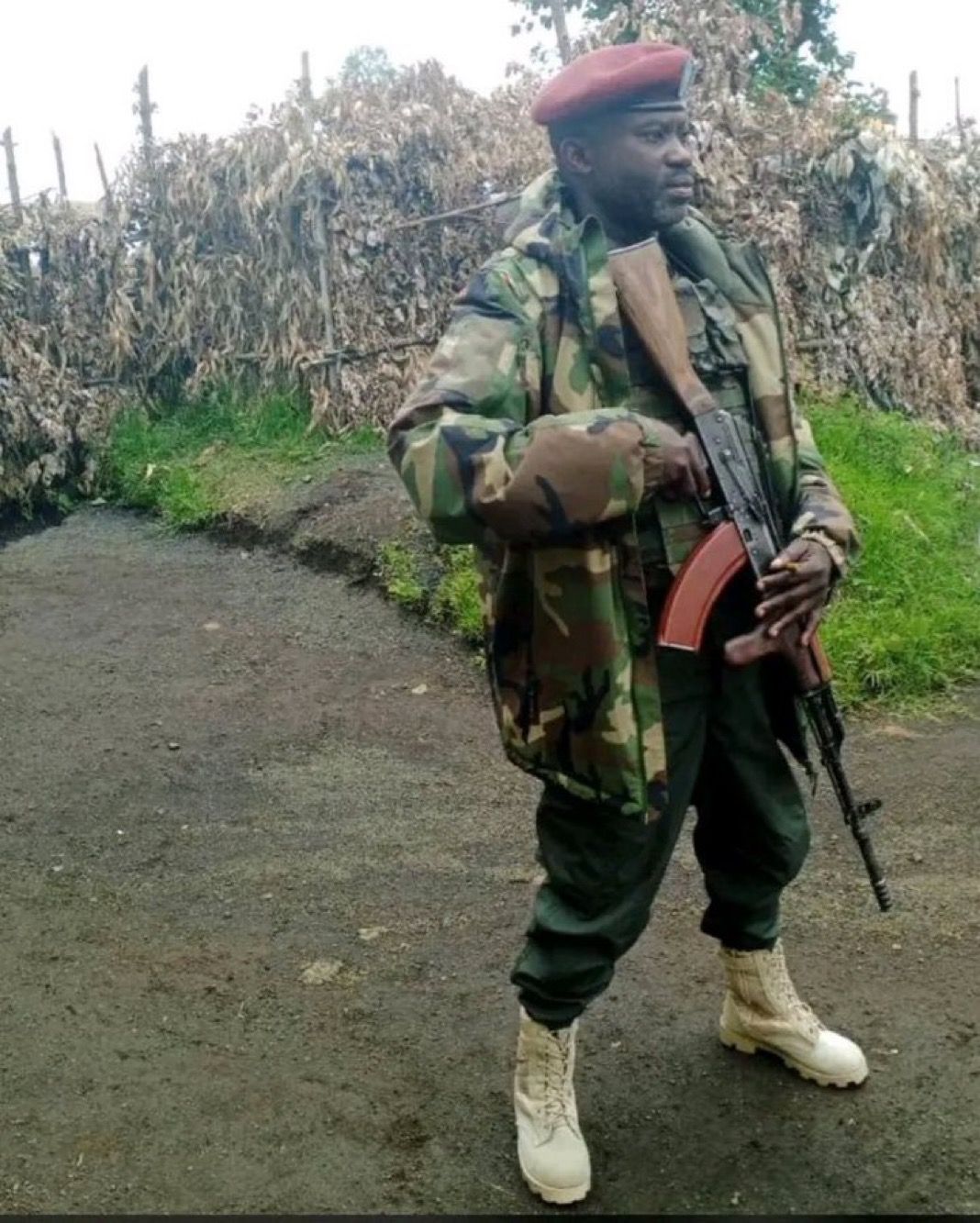
Washington targets key m23 intelligence chief in DRC sanctions
The United States Treasury Department recently imposed sanctions on John Imani Nzenze, identified as a pivotal figure within the RDF/M23 rebel movement. Nzenze, who serves as the intelligence chief for the Kigali-backed group, faces these measures after decades of alleged involvement in widespread death, plunder, and mass displacement across the eastern regions of the Democratic Republic of Congo. While seen as a long-awaited move, this sanction is highly symbolic against a central architect of a military system accused of nearly thirty years of destabilization.
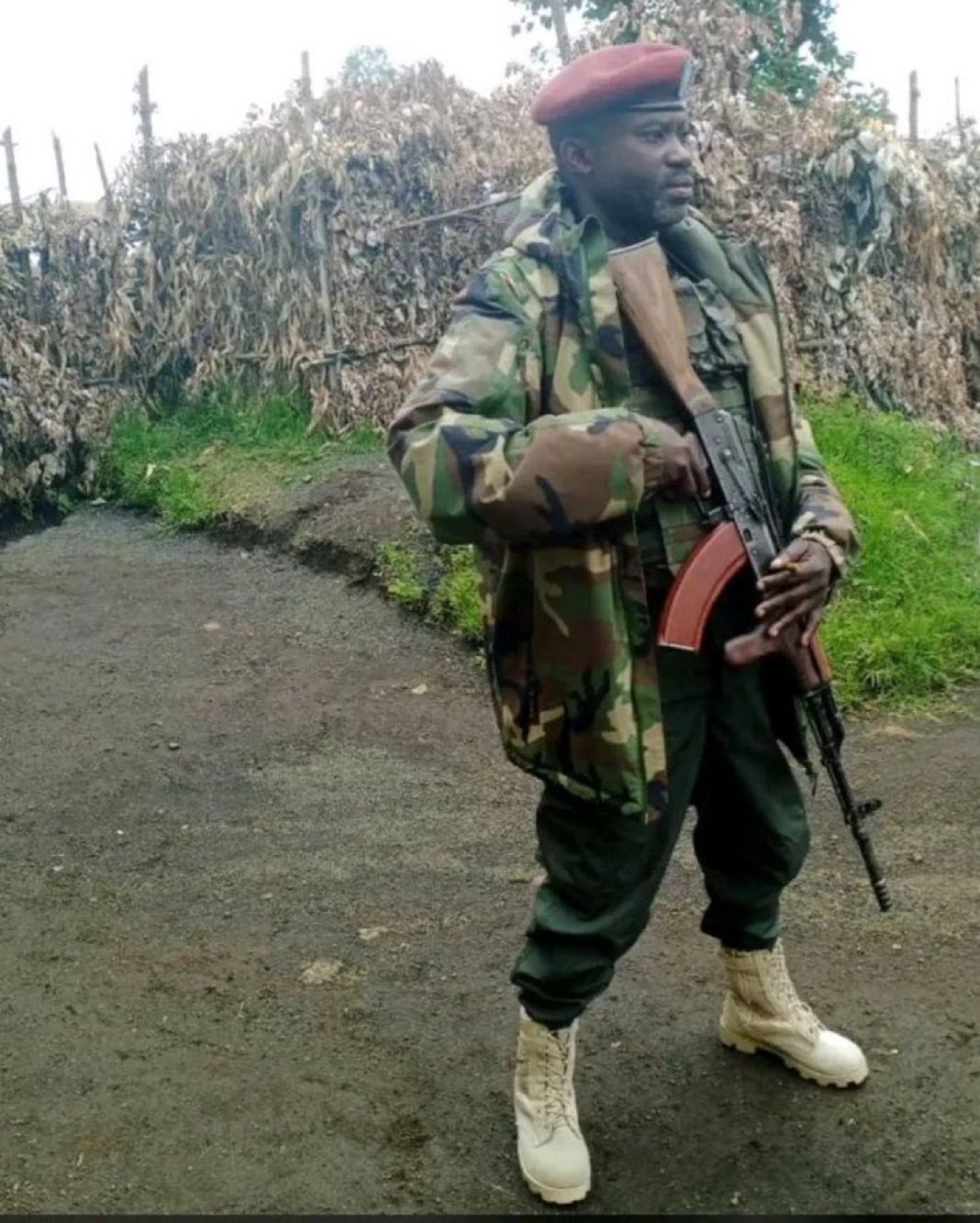
John Imani Nzenze is recognized as a veteran of the various conflicts that have plagued the Congo since the late 1990s. These aggressions, often cloaked as fabricated rebellions, have consistently been financed and supported by Rwanda under Paul Kagame.
Contrary to some historical narratives, the Congolese Rally for Democracy (RCD), a movement where Nzenze and Sultani Makenga once fought, originated during the Second Congo War, which erupted in August 1998 following the invasion of Congolese territory by Rwandan and Ugandan forces. Under the guise of the RCD, Kigali established a proxy rebellion to conceal its military occupation of Kivu and the exploitation of the DRC’s vast mineral resources.
John Imani Nzenze belongs to a generation of officers who have cycled through every major rebel structure supported by Kigali: from the RCD, to Laurent Nkunda’s CNDP, and finally to the M23. These groups have consistently involved the same individuals, networks, and tactics: civilian massacres, forced displacement, community terror, and the illicit control of strategic mining areas.
Following his time with the RCD, Nzenze joined the CNDP under Laurent Nkunda, another armed movement accused of war crimes and backed by Rwanda in the 2000s. Through the March 23, 2009, agreements, several rebel leaders were integrated into the FARDC as part of military integration efforts. However, this integration proved to be merely a tactical pause.
In 2012, Sultani Makenga, John Imani Nzenze, and their forces deserted the Congolese army to establish the M23, citing non-compliance with the 2009 agreements. In reality, Kinshasa witnessed the emergence of a new armed faction orchestrated from Kigali.
Since its resurgence in late 2021, the RDF/M23 has been widely accused by the United Nations, international NGOs, and several Western chanceries of committing grave crimes on Congolese soil. These include summary executions, shelling of civilian areas, forced recruitment, rape, targeted assassinations, occupation of villages, massive population displacements, and illegal exploitation of minerals.
Thousands of civilians have been forced to flee fighting in Nord-Kivu, while several strategic locations, particularly around the mining areas of Rubaya, have fallen under the control of the rebels and their Rwandan military supporters.
Within this military-intelligence framework, John Imani Nzenze held a central position. The M23’s intelligence services are accused of organizing infiltrations, tracking operations against opponents, establishing surveillance networks over local populations, and coordinating with Rwandan Defence Force (RDF) units clandestinely deployed within Congolese territory.
For years, leaders of the RDF/M23 have largely enjoyed international impunity, despite damning reports from United Nations experts detailing Rwanda’s direct involvement in the conflict in eastern Congo. The American sanctions against Nzenze therefore represent a belated acknowledgment of responsibilities long highlighted by Kinshasa and by Congolese victims.
However, for many observers, a critical question persists: why sanction only a few individuals when an entire politico-military apparatus continues to operate, fund the conflict, and profit from the pervasive insecurity in the eastern provinces of the Congo?
Indeed, behind the M23, Congolese citizens primarily perceive the continuation of a nearly three-decade-old regional strategy: to maintain instability in eastern DRC to control its natural resources and preserve military and economic influence over Congolese territory.