Ousmane Sonko highlights africa’s football challenges after early world cup exits
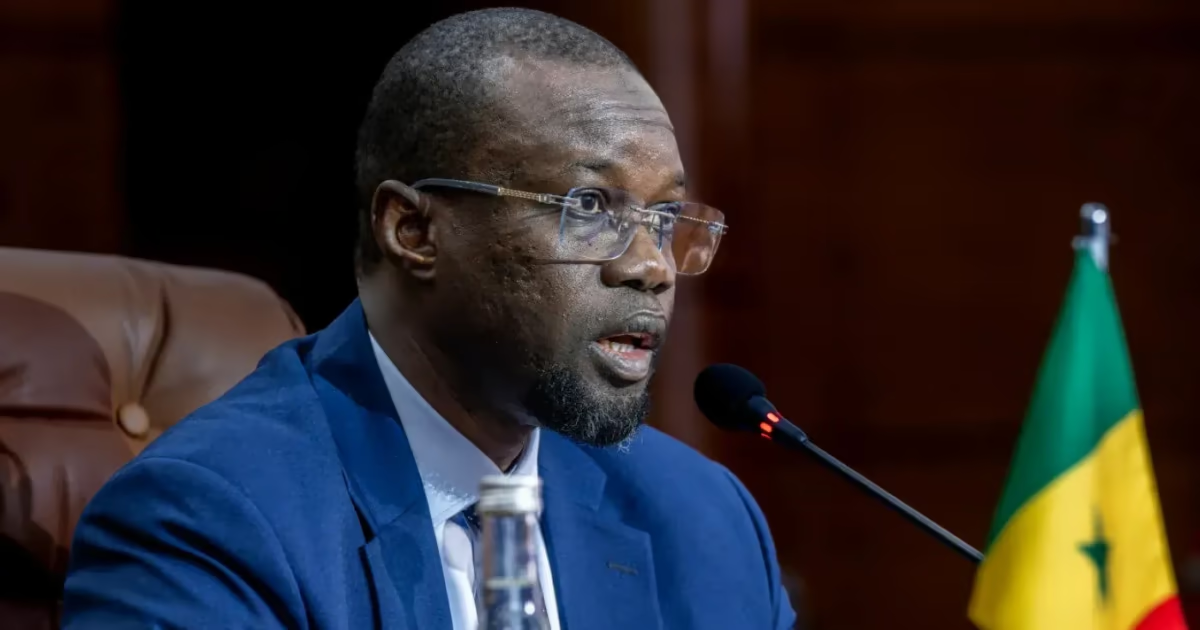
Senegalese National Assembly President Ousmane Sonko delivers a candid assessment of Africa’s World Cup 2026 performances. Despite the expanded number of African teams in the tournament, he emphasizes the continent’s deep-rooted structural weaknesses in football management and calls for immediate reforms to elevate performance standards.
The assessment came during a recent interview where Sonko shared his perspectives on Africa’s World Cup journey. As leader of Pastef/Les Patriotes, he acknowledged the significance of having more African nations competing in the expanded tournament but cautioned against viewing this as a favor from FIFA, attributing it instead to the global governing body’s decision to broaden the competition.
While sidestepping broader debates about the tournament’s format, Sonko pointed to what he described as FIFA’s leniency on certain critical aspects. His focus remained squarely on Africa’s own shortcomings, particularly in team administration, governance, and discipline—areas he believes directly contributed to several early exits, including that of Senegal, a team with undeniable potential.
Key takeaways from the World Cup
For Sonko, the most urgent lesson from this World Cup is the need to confront Africa’s persistent weaknesses in football infrastructure and leadership. These systemic issues, he argues, continue to undermine the continent’s ability to compete at the highest level, despite the natural talent of its players.
« What this World Cup has made clear above all else is that our challenges run deeper than just talent », he remarked, urging a fundamental reevaluation of how African football is organized and managed.
Addressing the competitiveness of the remaining teams, Sonko conceded that some advancing squads may not necessarily outclass the African teams that were eliminated. Yet, he emphasized the importance of sportsmanship, acknowledging that the victorious teams had earned their progress through merit.