Paul Biya’s prolonged absence fuels constitutional questions in Cameroon
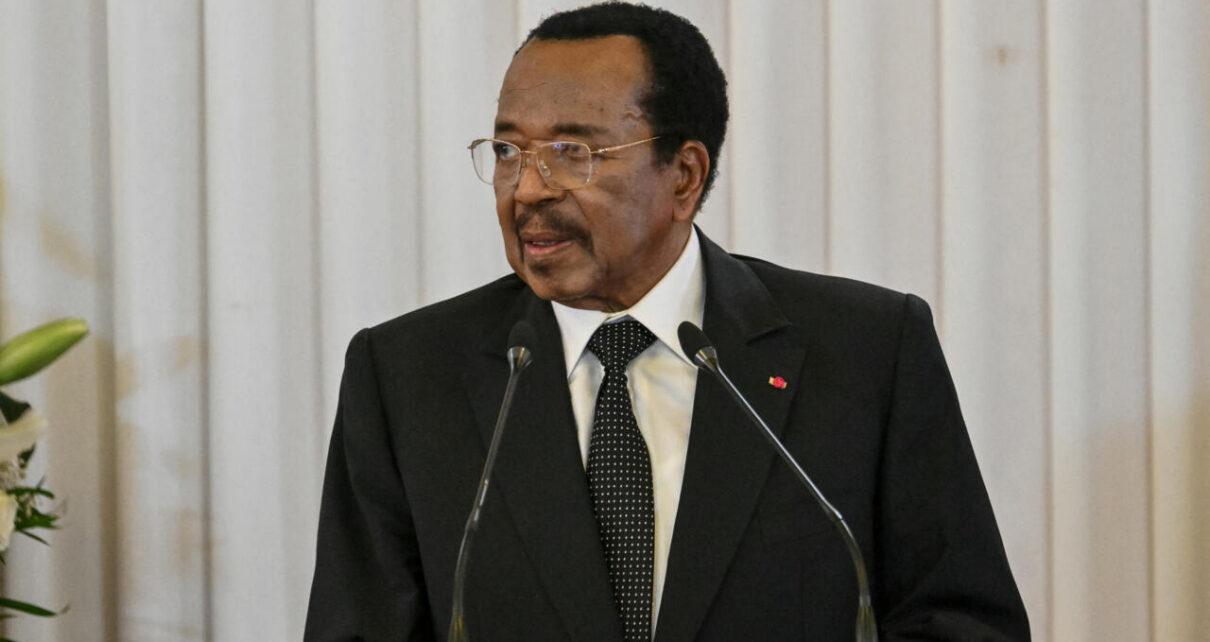
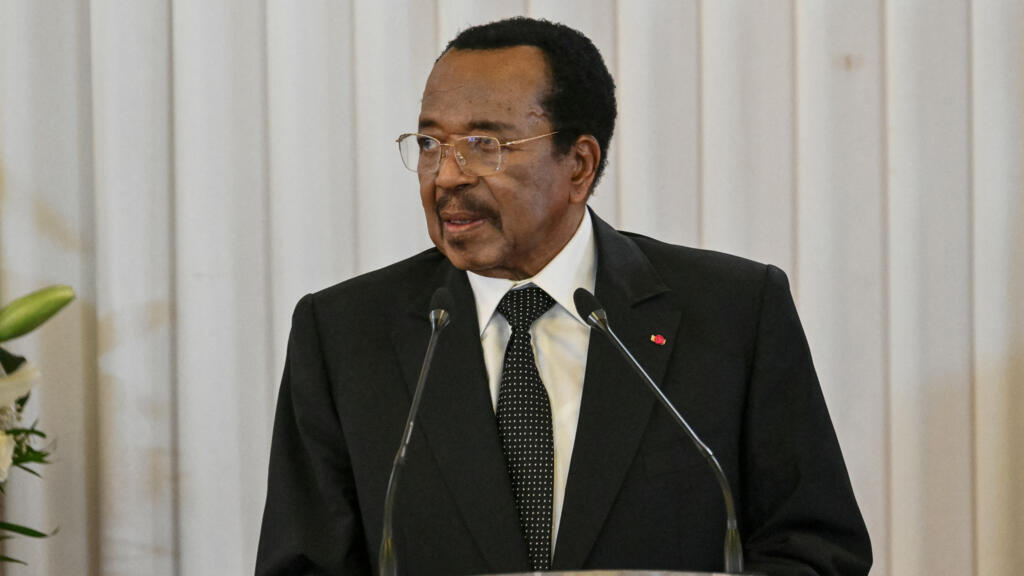
The whereabouts of Cameroon’s President Paul Biya have remained a mystery for over 50 days, sparking intense debate and legal speculation. Since his last public appearance on June 7, when Cameroon Tribune reported his departure for a “short private stay in Europe,” no official update has been provided regarding his location or expected return—despite his advanced age of 93.
This unprecedented silence has fueled concerns about the stability of the country’s leadership. Opposition parties have gone so far as to describe the situation as a power vacuum, suggesting the government is operating in a state of “autopilot” or even “remote control.”
What does the Constitution say about prolonged presidential absence?
Under Cameroon’s constitutional framework, a president’s extended absence raises critical questions about governance continuity. Article 6 of the constitution outlines procedures for temporary or permanent incapacitation, but the lack of transparency in this case has left many to wonder: Is the country operating within legal boundaries, or has the crisis exposed gaps in the system?
The ambiguity has also raised concerns about the potential for institutional paralysis in managing national priorities, from economic policies to security challenges. Political analysts warn that prolonged uncertainty could undermine public confidence and destabilize key state functions.
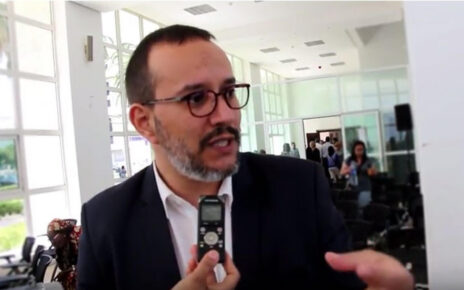
Analyst view: Political commentator Stéphane Akoa, senior fellow at the Paul Ango Ela Foundation, highlights the urgency of the situation. “The absence of clear communication from the government is not just a political issue—it’s a national security concern,” he notes. Without official clarification, rumors and misinformation thrive, further complicating the country’s governance.”
Legal and institutional implications
The prolonged silence has intensified scrutiny over Cameroon’s constitutional mechanisms for handling presidential incapacitation. Legal experts argue that the lack of transparency may violate the spirit of the constitution, which aims to ensure stability during leadership transitions.
Questions persist: Has the government invoked constitutional provisions for temporary transfer of power? If so, why has this not been communicated to the public? Or does this silence reflect a deeper crisis in institutional transparency?
With no end to the uncertainty in sight, the situation underscores the need for clearer governance protocols to prevent future ambiguities during leadership transitions.