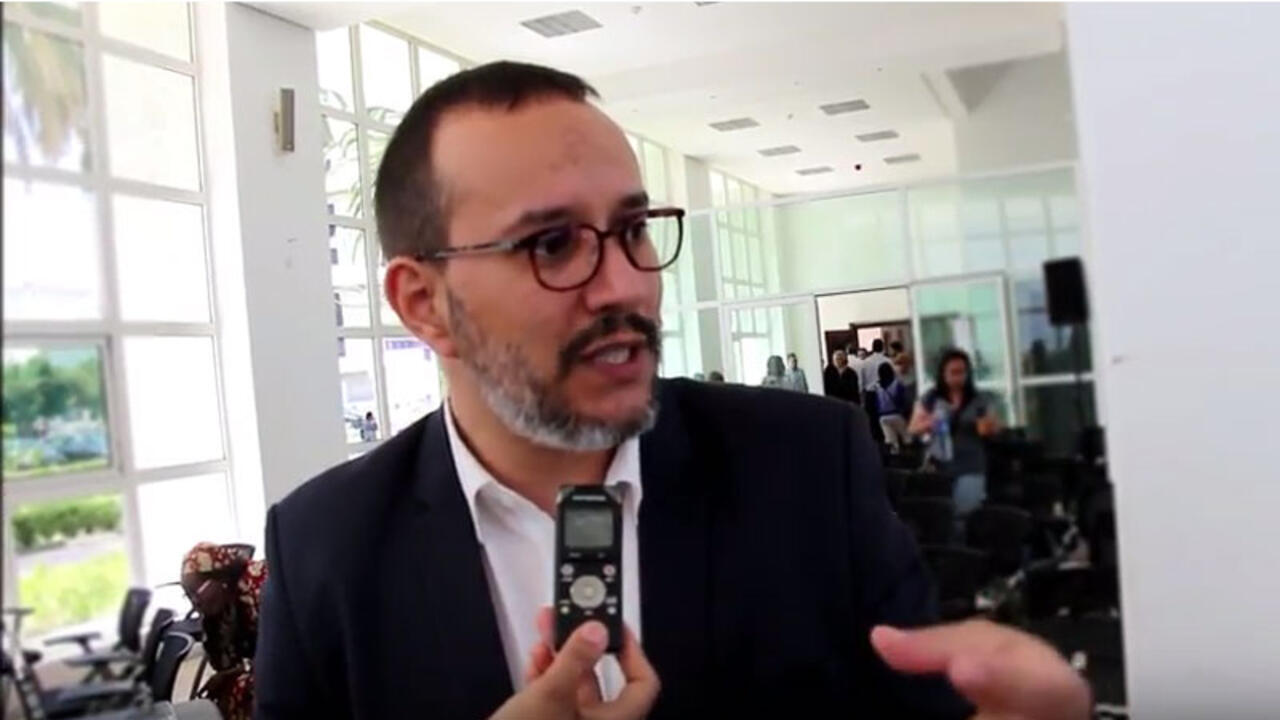
The French Prime Minister Sébastien Lecornu arrived in Morocco on July 15, leading a high-level delegation of over a dozen ministers. While several cooperation agreements are expected to be signed, the visit coincides with rising tensions over human rights concerns in Rabat, following the detention of a prominent journalist and an artist. Mehdi Alioua, a sociologist at the International University of Rabat and chairholder of Migration, Mobility, and Cosmopolitanism, shares insights on the evolving dynamics between Paris and Rabat, particularly in relation to Sub-Saharan Africa.
France and Morocco: A shifting alliance in Sub-Saharan Africa
RFI: In recent years, a subtle competition between France and Morocco seems to be unfolding across Sub-Saharan Africa—where France struggles to maintain influence, Morocco steps in with investments and strategic presence. Is Morocco now the unexpected challenger France failed to anticipate?
Mehdi Alioua: It’s a mix of yes and no. First, the no: much of Morocco’s investments in Africa are made in joint ventures with French companies or in coordination with French diplomacy. There is still strong cooperation, both South-South and North-South, rooted in the long-standing friendship between Rabat and Paris. But yes, because Morocco has also pursued independent investments and adopted a clear, proactive African policy championed by His Majesty the King. This approach goes beyond mere collaboration, positioning Morocco as a key player on the continent.
Can Morocco help mend frayed France-Sahel relations?
The Sahel region has seen strained ties between France and the countries of the Alliance of Sahel States (AES), yet Morocco’s influence in the area continues to grow. Could Rabat play a role in easing these tensions?
Absolutely. Morocco is earnestly attempting to act as a bridge. However, the deterioration isn’t necessarily between the peoples themselves—it’s more complex. Take Mali, for example: many Franco-Malians still maintain strong personal and economic ties with France. The strain is largely political, fueled by populist rhetoric against France from new ruling regimes. This anti-French sentiment is not part of Morocco’s diplomatic playbook.
The Morocco-Sahel relationship, however, runs deep—dating back millennia, long before the arrival of Islam. It has only strengthened over time. Just consider Morocco’s historic Almoravid dynasty, whose influence stretched from Spain to present-day Guinea and Mali, leaving an indelible mark on the region. These historical connections give Morocco a unique diplomatic advantage it can leverage in the Sahel.
Recent arrests spark human rights concerns
Domestically, Moroccan authorities have recently detained two prominent critics: Franco-Moroccan journalist Ali Lmrabet and rapper Mehdi Black Wind. Should this raise alarm?
Any time journalists or artists face imprisonment, it’s a cause for concern. Officially, Moroccan authorities claim these cases are handled independently by the justice system, and those detained have the right to defend themselves. While the journalist has been released, he remains under investigation. The other case is less clear, but human rights lawyers and activists are already mobilizing to support the detainees. Morocco has made significant progress in advancing human rights, though occasional lapses into old habits persist.
Is Morocco as appealing to Sub-Saharan Africa as France once was?
No, not yet. However, Morocco is increasingly attractive. The government has made a deliberate effort to enhance its appeal, as seen in its substantial investment in the African Cup of Nations. Yet this strategy carries risks. Domestically, many Moroccans question why vast resources are poured into stadiums when poverty remains rampant. Internationally, a single controversy—such as the recent altercation between Morocco and Senegal in the tournament final—can quickly turn African public opinion against Rabat. The perception of arrogance, such as claims of having European-style pitches, also undermines Morocco’s diplomatic efforts. While Morocco draws attention, it also provokes skepticism. It won’t match France’s allure until it achieves higher economic development and greater prosperity.