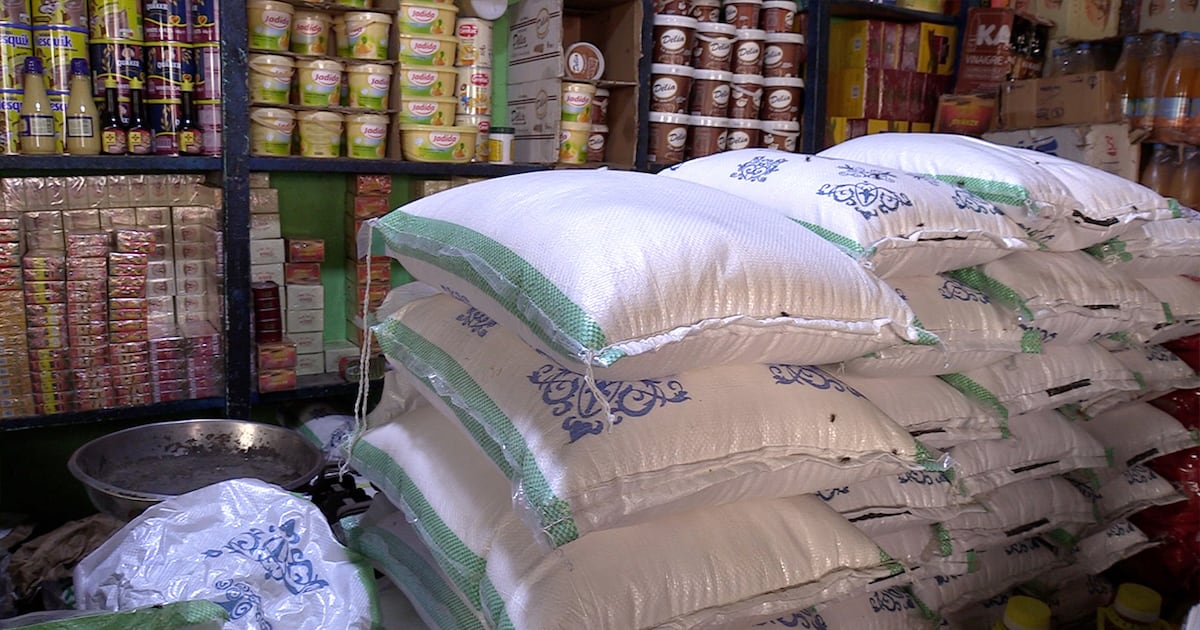
As tensions escalate in the Middle East, Mauritania is taking proactive steps to shield its markets from the ripple effects of surging global food prices. To prevent unjustified price hikes on essential goods, the government has rolled out a sweeping campaign to monitor and regulate the cost of staple items such as rice, cooking oil, and sugar.
The initiative, which began in Nouakchott, is now expanding nationwide. Teams of inspectors are deployed across the country to oversee market operations, verify stock levels, and clamp down on fraudulent practices that could drive up costs for consumers.
Ensuring fair pricing and consumer protection
Under this program, authorities are not only tracking price fluctuations but also reinforcing measures to protect buyers from exploitation. The goal is twofold: to maintain affordability for vulnerable households and to curb speculative trading that often exacerbates shortages during global disruptions.
Traders and shoppers report stability so far
Aissata Bâ, a vendor handling imported food products like Kadi (bouillon), jedida (butter), and delia (chocolate), shared her experience: “We haven’t adjusted our prices at all, despite the uncertainty in global markets. Our customers are still paying the same rates.”
Fatimetou mint Ahmed, a local resident, echoed this sentiment: “Basic goods like oil, rice, sugar, and milk remain stable. Despite whispers about potential increases, nothing has changed on the shelves.”
Mohamed ould Bouh, a small-scale trader, confirmed that the market remains calm, with no signs of panic buying or artificial scarcity.
Government crackdown on price gouging
Efforts to enforce fair pricing are backed by stringent penalties. In late March, the Prime Minister, Mokhtar Ould Diay, announced that dozens of businesses had been shut down or fined for violating price controls, engaging in anti-competitive behavior, or attempting to manipulate supply and demand.