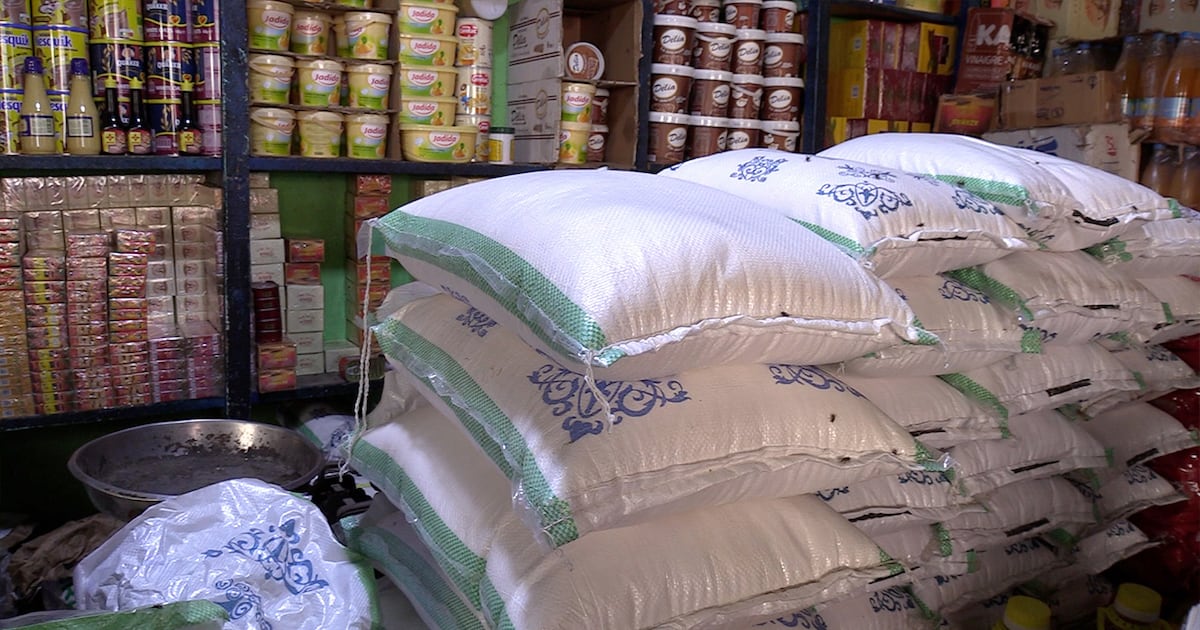
As tensions escalate in the Middle East, Mauritania is taking proactive steps to shield its consumers from soaring food prices. The government has rolled out a sweeping price monitoring initiative designed to curb unjustified increases in essential goods, including rice, cooking oil, and sugar.
Government intervention targets market stability
Teams of inspectors have been deployed across Nouakchott and other regions to enforce price controls. Their mission extends beyond mere surveillance—they are tasked with tracking stock levels, safeguarding consumer rights, and cracking down on fraudulent practices that could destabilize the market.
The operation reflects a broader commitment to transparency and fairness, ensuring that basic commodities remain within reach for all Mauritanians. Authorities have made it clear that any attempt to manipulate prices will be met with strict penalties, including fines and business closures.
Market sentiment remains calm despite global pressures
Aissata Bâ, a local vendor specializing in imported goods like Kadi bouillon, Jedida butter, and Delia chocolate, confirms that prices have held steady. «For now, we haven’t raised our prices,» she states. «The situation is stable, and we’re doing our best to keep costs manageable for our customers.»
Consumers share her optimism. Fatimetou mint Ahmed, a resident of Nouakchott, reports no significant price hikes on staples like oil, rice, sugar, or milk. «Despite some rumors, the market remains calm,» she notes. «There’s no sense of panic among buyers or sellers.»
Mohamed ould Bouh, a local trader, echoes this sentiment. «The market is operating normally,» he says. «There’s no tension, no artificial shortages—just steady supply and demand.»
Zero tolerance for price gouging
The government’s crackdown is already yielding results. Earlier this year, officials closed down several businesses and imposed heavy fines on those found engaging in price gouging or anti-competitive practices. The message is unambiguous: Mauritania will not tolerate exploitation, no matter the external pressures.
With these measures in place, the country is sending a strong signal to both domestic and international markets—stability is a priority, and Mauritania’s consumers will not be left vulnerable to global instability.