Senegal’s Infrastructure Gridlock: Sonko’s Task Force Takes Charge
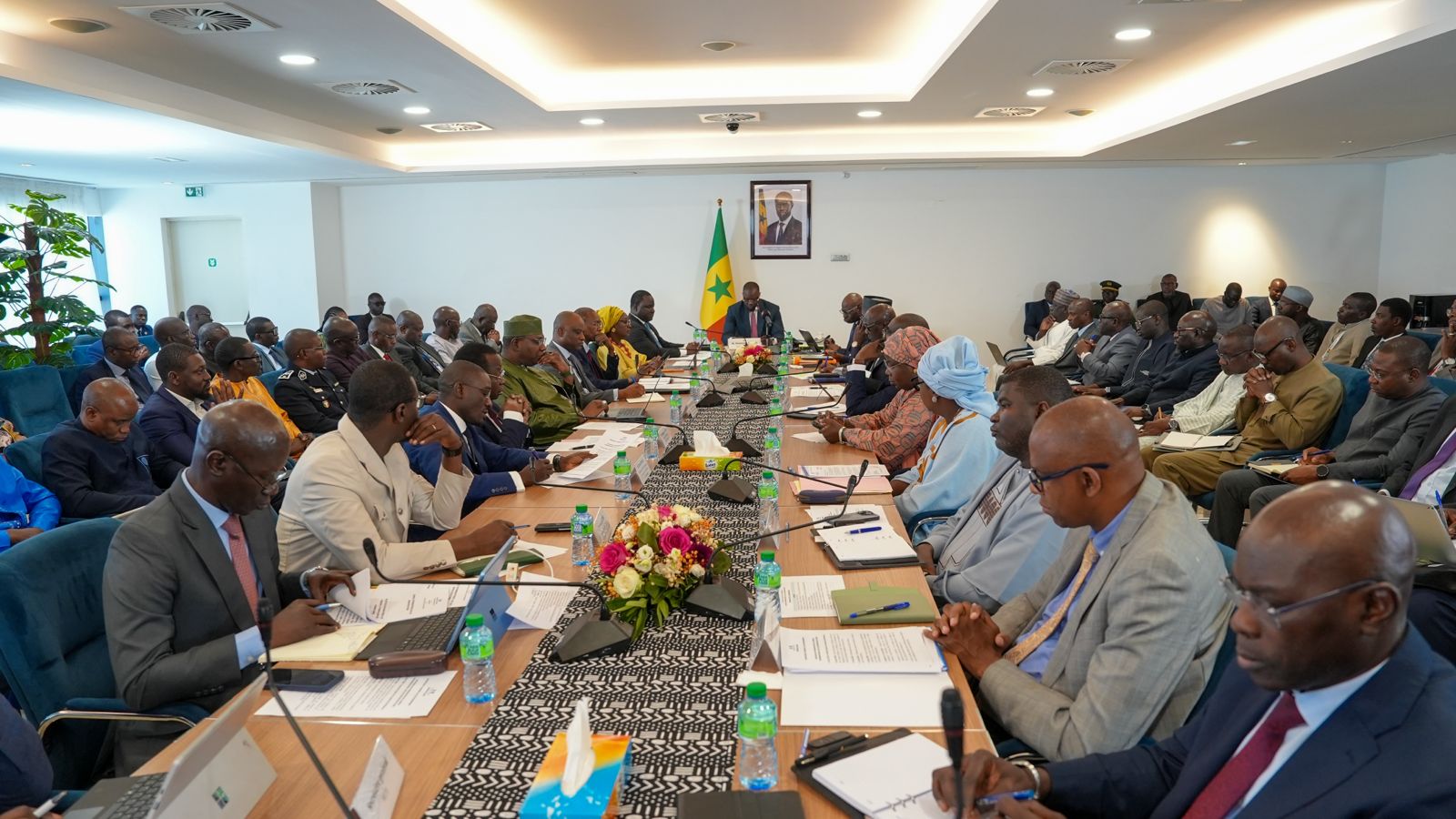
Prime Minister Ousmane Sonko convened an emergency interministerial council on infrastructure this week, unveiling a bold initiative to unclog 245 stalled public projects and assets worth trillions of CFA francs. The high-level meeting, held at the President Mamadou Dia Administrative Building, marked the first step in a sweeping audit that exposed systemic bottlenecks across the nation’s infrastructure landscape.
Unfinished Giants: Completed Projects Left to Rot
Among the most glaring findings were 30 completed but unused infrastructures, 25 of which remain paralyzed by financial or administrative hurdles. These dormant assets represent a staggering 279 billion CFA francs in frozen investments, with 15 projects flagged as top-priority due to their economic and strategic importance.
Assets Waiting for a Second Chance
The audit also identified 23 operational assets ripe for revitalization, valued at 1,065 billion CFA francs. Meanwhile, 94 ongoing projects—62 of which are completely stalled—require an additional 973 billion CFA francs to reach completion, with total investments already exceeding 5,227 billion CFA francs.
The government’s sweeping review extended to state-owned real estate, with 97 properties—mostly in Dakar—estimated at 132 billion CFA francs in market value. The capital’s real estate sector emerged as a key focus, highlighting underutilized land and buildings that could inject liquidity into public finances.
Sonko’s Swift Action Plan
In response to the crisis, Sonko ordered the immediate formation of a dedicated task force, led by the Secretary-General of the Government. The committee, established on the same day as the council, will meet weekly to fast-track solutions for completing, repurposing, or monetizing these stranded assets.
The task force’s mandate includes:
- Finalizing stalled construction projects
- Designing sustainable public-private partnership models
- Identifying viable recycling and asset valorization strategies
The Premier Minister emphasized the “paradoxical situation” of completed infrastructures gathering dust due to coordination failures, missing final approvals, or misalignment with actual public needs. He called for urgent fixes to prevent further waste of taxpayer funds.
Top Targets for Revival
Several high-profile projects have been earmarked for intervention:
- Ports and Maritime Hubs: Foundiougne, Soumbédioune, and Ndangane
- Youth and Citizenship Centers: Nationwide expansion
- Agricultural Initiatives: Naatangué ANIDA village farms and agropoles in Mpal, Adéane, Dioulacoulon, and Mbellacadiao
- Education and Health: Sine-Saloum University, Aristide Le Dantec Hospital
- Technology and Transport: 45 Digital Open Spaces (ENO), regional airports in Saint-Louis, Matam, and Kolda, the Ndayane container terminal, and the Le Joola Memorial
Leveraging Public-Private Partnerships
The government is banking on PPP models to maximize returns from key assets, including national stadiums, nature reserves, and diplomatic properties abroad. By shifting operational burdens to private partners, the state aims to reduce maintenance costs and boost revenue streams.
Broader Goals: Efficiency and Accountability
Beyond individual projects, this initiative seeks to overhaul Senegal’s public investment ecosystem. The administration is committed to:
- Cutting down on dormant assets
- Ensuring timely project completion
- Enhancing the profitability of state-funded infrastructures
- Improving inter-ministerial coordination to avoid future bottlenecks
The task force’s report, due by June 30, 2026, will outline a comprehensive roadmap for transforming Senegal’s infrastructure sector into an engine of economic growth.