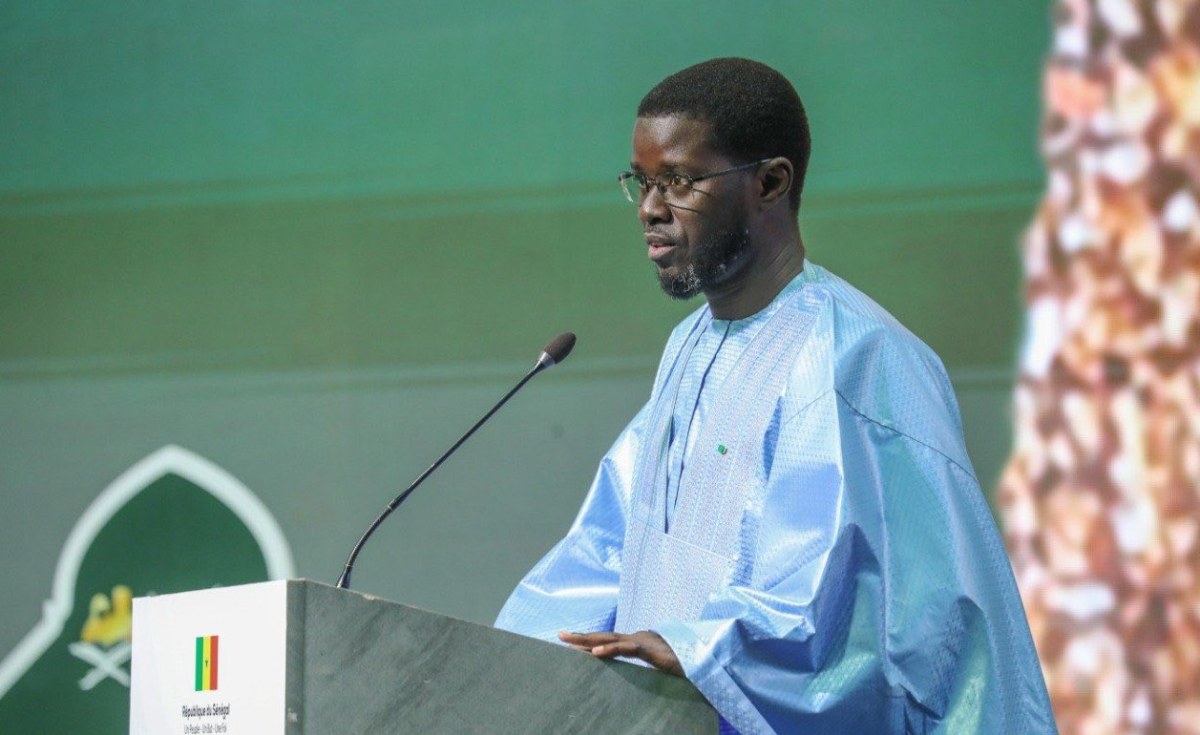
Tensions between Senegalese President Diomaye Faye and his former Prime Minister Ousmane Sonko have escalated beyond repair, with Faye set to launch his own political party in the coming days. The rift appears irreversible, casting doubt on any possibility of reconciliation within the PASTEF coalition.
The president’s decision to form a separate party raises critical questions: Will he achieve his political ambitions? The odds seem stacked against him. Despite controlling a coalition backed by over 300 mayors out of Senegal’s nearly 600 municipalities, Faye’s grip on power may not be enough to secure his long-term goals.
What’s at stake for Senegal?
With the nation’s priorities hanging in the balance, Faye’s political maneuvering could derail progress on pressing issues. His alliance with local leaders provides a foundation, but the state apparatus alone may not guarantee success. The recent government reshuffle further highlighted his limited influence within PASTEF, where Sonko, as National Assembly President, holds greater sway.
This power struggle is more than personal—it’s a reflection of deeper structural challenges. In Senegal, ruling figures often dominate the parties that brought them to power, yet in this case, Sonko’s control over PASTEF complicates Faye’s plans. New parliamentary reforms, which bar party leadership for the president, further weaken his position.
A calculated move or a recipe for instability?
The president’s party launch is widely seen as a strategic response to these constraints. Yet, history shows that political splits rarely favor the instigators. Sonko’s earlier departure from the ruling coalition demonstrated the risks of such divisions. Now, the PASTEF risks fracturing further, with militants caught in the crossfire.
Worse still, this feud could benefit the opposition. If Faye and Sonko fail to mend fences, an outsider may emerge to capitalize on public disillusionment. Meanwhile, their infighting plays into the hands of former President Macky Sall, who had previously clashed with both leaders.
Consequences for Senegal’s democracy
The fallout from this crisis extends beyond personal rivalry. Public priorities risk being sidelined indefinitely, as the two leaders prioritize their battle over governance. The instability could even lead to a parliamentary dissolution and snap elections—an expensive and risky gamble for a nation grappling with economic challenges.
Rather than uniting to serve the Senegalese people, Faye and Sonko have exposed their inability to collaborate. Their failure to resolve differences has plunged the country into political turmoil, tarnishing Senegal’s reputation as a democratic model in West Africa.
Some analysts warn of an impending cohabitation, where power is shared uneasily between rivals. If Faye and Sonko wish to salvage their legacies, they must act swiftly to reverse the damage before it’s too late.