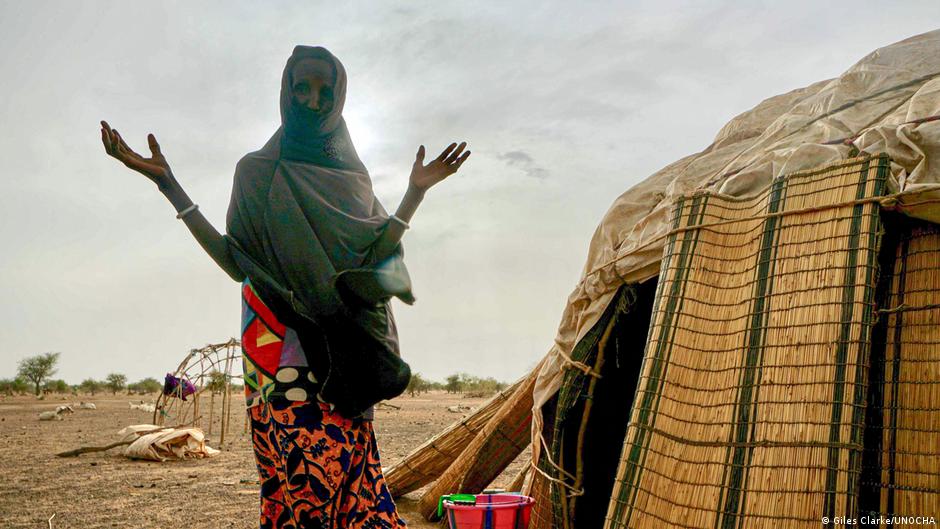
In 2025, one in five people in the Sahel suffered from hunger, according to the latest global report on food security and nutrition. This alarming trend has been worsening for 15 years, with the region facing unprecedented challenges in accessing adequate food supplies.
Humanitarian crisis deepens in northern Mali
Fanta Touré Diop, Regional Representative for West and Central Africa at the NGO Action Against Hunger, warns of the deteriorating situation in the Sahel, particularly in the northern regions of Mali. According to her, the combination of ongoing conflicts and climate change has created a dire humanitarian landscape.
Fanta Touré Diop explains, “The figures are deeply concerning and reflect a continuous decline in food and nutrition security. Multiple factors contribute to this crisis. In West and Central Africa, especially in the Sahel, humanitarian access is severely restricted due to persistent security threats. These conflicts have displaced thousands, forcing families to abandon their homes and livelihoods.”
Climate change compounds the crisis
The environmental impact of climate change further exacerbates food insecurity in the region. Fanta Touré Diop highlights, “The Sahel is particularly vulnerable to climate fluctuations, which directly affect agricultural productivity and food availability.” This environmental strain, combined with reduced funding, has left millions without sufficient support.
A call for coordinated action
Amidst this crisis, Fanta Touré Diop urges collective action to address the needs of displaced populations in northern Mali. She emphasizes the importance of collaboration between local authorities, international organizations, and civil society to implement effective solutions.
She adds, “The government of Mali must take the lead in finding sustainable solutions. While efforts are underway, the scale of the crisis demands a unified response to protect vulnerable populations.”
Funding shortages worsen the situation
Financial constraints have significantly reduced the resources available for emergency and development programs. Fanta Touré Diop notes, “Funding for critical programs has dropped drastically. Currently, 57 million people in West and Central Africa, including the Democratic Republic of the Congo, face food and nutrition insecurity. In the Sahel alone, 24.3 million people require urgent assistance, yet only 21% of the required $3.7 billion has been mobilized.”
This shortfall leaves 11.3 million children and women at risk of malnutrition, further straining already fragile communities.
Strategies for long-term resilience
To combat food insecurity, Fanta Touré Diop stresses the need for strong political leadership and data-driven planning. She advocates for policies that prioritize food security, resilience-building, and equitable resource distribution.
“Governments must act decisively. Reliable data is essential for effective planning and resource allocation. Without it, efforts to combat hunger will remain fragmented and insufficient,” she concludes.