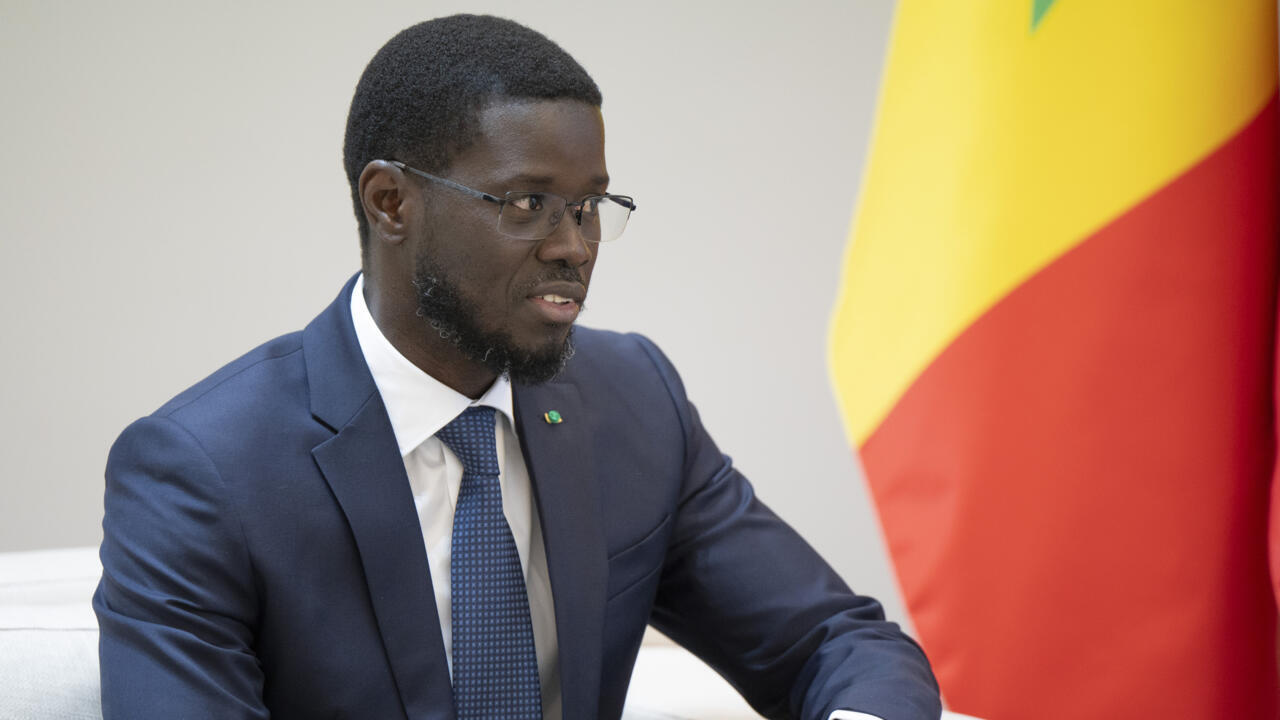
Before an assembly of 300 mayors, all integral members of the successful « Diomaye Président » coalition, Senegalese President Bassirou Diomaye Faye unveiled plans for the imminent formation of his own political party. This significant announcement marks a pivotal moment for the leader, who initially ascended to power propelled by the momentum of the Pastef party and the influential figure of Ousmane Sonko. The move comes as the nation grapples with a recently validated constitutional reform, which explicitly prohibits any head of state from concurrently leading a political party. This raises crucial questions: What strategic objectives underpin this new political endeavor? And what fate awaits the « Diomaye Président » coalition following this decisive declaration?
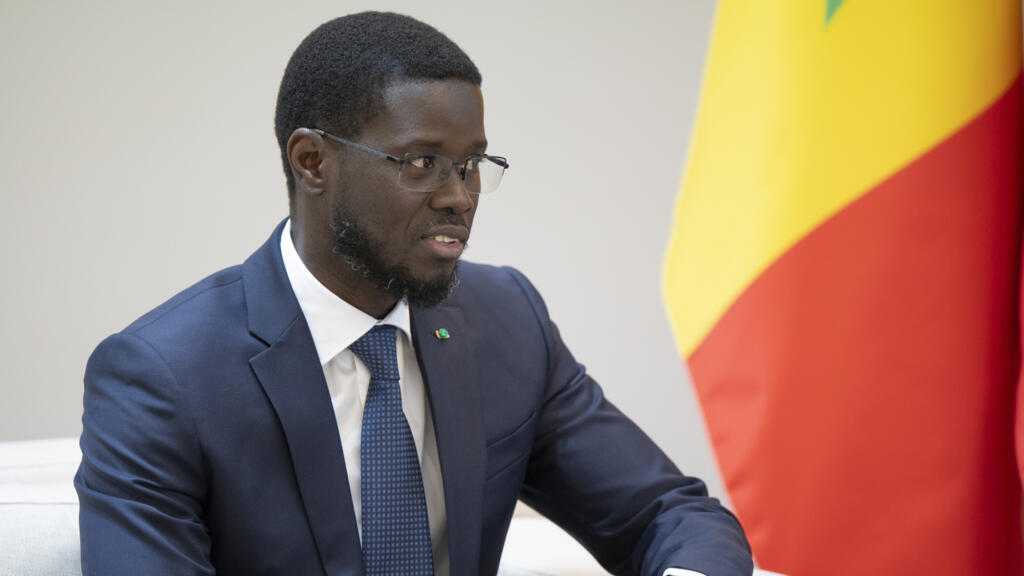
The President’s decision to forge his own political entity comes at a critical juncture for Senegalese politics. While his electoral victory was undeniably a triumph for the Pastef movement and its charismatic leader, Ousmane Sonko, the establishment of a distinct party under President Faye’s direct leadership suggests a strategic shift towards consolidating his personal mandate and political vision. This move is particularly intriguing given the recent constitutional amendments. Political observers, such as Moussa Diaw, a distinguished professor of political science at Gaston Berger University in Saint-Louis, note the inherent tension between the President’s ambition to lead a party and the constitutional provision preventing a sitting head of state from doing so.
The implications of this initiative are far-reaching. It could signal a redefinition of the political landscape, potentially altering the dynamics within the ruling coalition and shaping future electoral contests. The « Diomaye Président » coalition, instrumental in his ascent, now faces an uncertain future. Will it dissolve, integrate into the new party, or continue as a separate, allied force? This bold step by President Faye invites scrutiny into his long-term objectives and how he intends to navigate the constitutional challenges while asserting his independent political authority in Senegal.