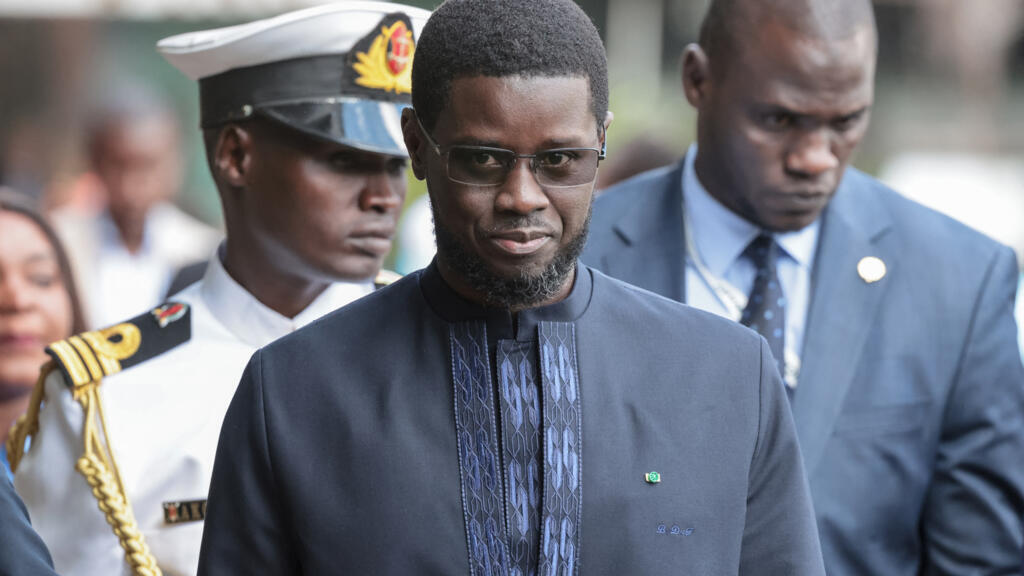
Senegal: President Faye emphasizes unity amid political tensions
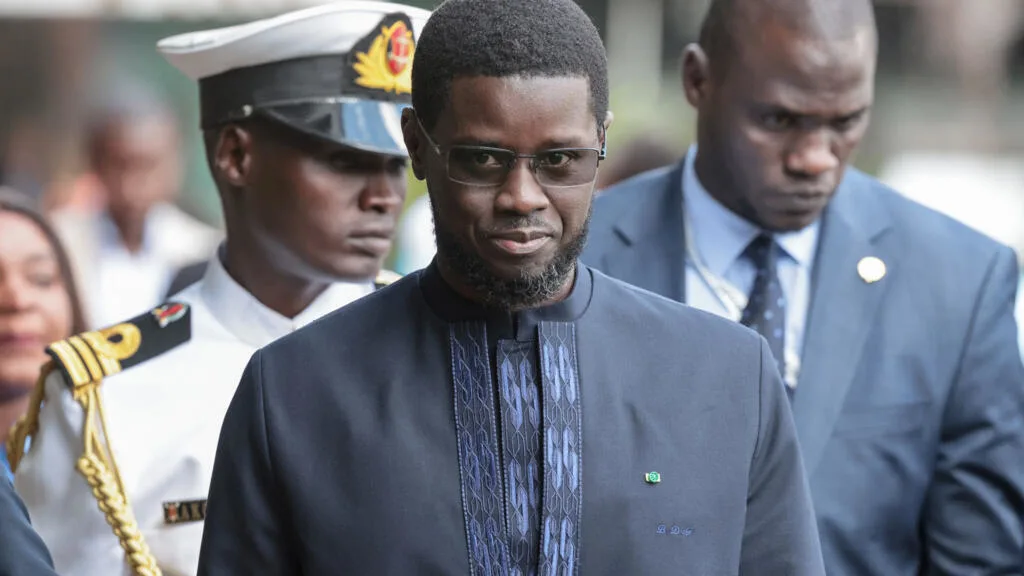
In a poignant address during a national tribute for former President Abdoulaye Wade’s centenary, Senegal’s current leader Bassirou Diomaye Faye delivered a message of reconciliation amid escalating political divisions. The ceremony, held on June 4, provided a platform for Faye to reflect on the importance of national cohesion.
“Even the fiercest disagreements should never justify tearing apart the nation we share,” the President remarked, underscoring his vision of democracy as a shared legacy rather than a prize to be seized and hoarded. “True democracy is a flame passed from hand to hand—one that must never be allowed to extinguish.”
Faye’s remarks come at a critical juncture, following his decision on May 22 to remove Ousmane Sonko from his post as Prime Minister. The move marked the culmination of months of growing rifts between the two former allies, who once stood together in Senegal’s political landscape.
“Today’s rival isn’t tomorrow’s enemy”
During the tribute to Wade—a towering figure in Senegalese politics who led the country from 2000 to 2012—Faye paid homage to the late leader’s wisdom. “He taught us that even the most heated disputes must never fracture the nation,” Faye stated. “He showed us that serving our youth is always more valuable than exploiting them.”
The President’s speech resonated deeply with the audience, drawing applause at multiple points, particularly when he subtly addressed the ongoing political uncertainty and his split with Sonko. Just two days earlier, Sonko—now President of Senegal’s National Assembly—had publicly framed his relationship with Faye as a “cohabitation,” urging the President to “come down from his pedestal and engage in dialogue.”
Faye’s address echoed Wade’s enduring philosophy: “Today’s rival isn’t tomorrow’s enemy. They are a compatriot with a different perspective—one with whom we will continue to share this house called Senegal, long after the battle is over. We can oppose each other without tearing each other apart.”
He concluded by honoring Wade’s unwavering belief in Senegal’s future, even in the face of adversity or betrayal. “He never despaired of Senegal,” Faye reflected, “not even when faced with a companion lost to bitterness and division.”