Senegal’s top court blocks UNIS bid to halt Ousmane Sonko’s Assembly leadership
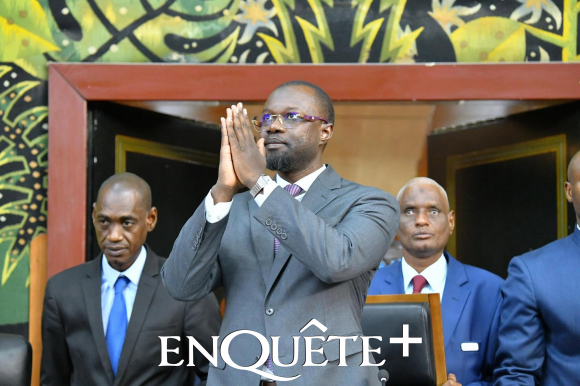
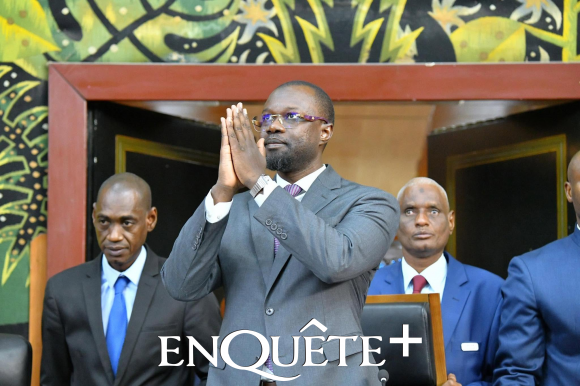
The Union nationale pour l’intégrité et la souveraineté (UNIS) has strongly condemned a Supreme Court ruling that dismissed its emergency appeal to suspend Ousmane Sonko’s installation as President of Senegal’s National Assembly.
Legal battle intensifies over assembly leadership
UNIS, led by President Amadou Gueye, filed an emergency motion alongside its main lawsuit challenging the administrative act that installed Sonko as Assembly president. The organization argues that the June 25 Supreme Court ruling creates a dangerous jurisdictional conflict by refusing to intervene in what it considers an administrative matter.
The controversy stems from a June 17 Constitutional Council decision declaring itself incompetent to rule on the case, classifying the contested act as administrative rather than legislative. The Supreme Court’s emergency judge followed this interpretation, citing separation of powers principles that allegedly prevent judicial interference in legislative affairs.
UNIS challenges court’s interpretation of separation of powers
UNIS contends that the Constitutional Council’s classification of the act as an “administrative integration act” implicitly granted the Supreme Court jurisdiction over the dispute. The organization argues that the court’s refusal to examine the emergency motion creates a legal vacuum where no court will rule on the matter.
The movement emphasizes that separation of powers should not prevent judicial review of administrative acts by the legislative branch. It points to recent Constitutional Council rulings that have overturned elements of constitutional reform, demonstrating that courts maintain oversight when legality issues arise.
Movement vows to pursue legal fight despite setback
Despite the emergency appeal’s rejection, UNIS has announced it will continue its main lawsuit challenging the validity of Sonko’s installation. The organization has requested that the Supreme Court’s combined chambers rule on their jurisdiction to resolve what they describe as a threat to legal certainty.
In a strongly worded statement, UNIS warns that the current interpretation could create a “lawless zone” within the Assembly’s Bureau, allowing certain administrative acts to evade judicial scrutiny. The movement calls on magistrates to fully exercise their constitutional role in this matter they frame as crucial for clarifying the relationships between Senegal’s executive, legislative, and judicial branches.