women in Benin’s political arena gains momentum with historic appointments
July 16, 2026Following President Romuald Wadagni’s inauguration, a groundbreaking decision was made during the inaugural Council of Ministers meeting on May 28. Captain Elvire Toupé, a decorated officer from the Republican Guard, was appointed as Aide-de-Camp—the first Beninese woman to hold this position since the nation’s independence on August 1, 1960.
This historic appointment has sparked conversations about gender representation in Benin’s political sphere. Régis Hounkpè, a political geopolitics analyst and director of InterGlobe Conseils, praised the move, stating:
“This milestone isn’t just a symbolic gesture—it’s a powerful example for young girls across Benin. The legacy of the Dahomey Amazons has been revived, reminding us of the vital roles women have always played in public life, from community leadership to decision-making circles.”
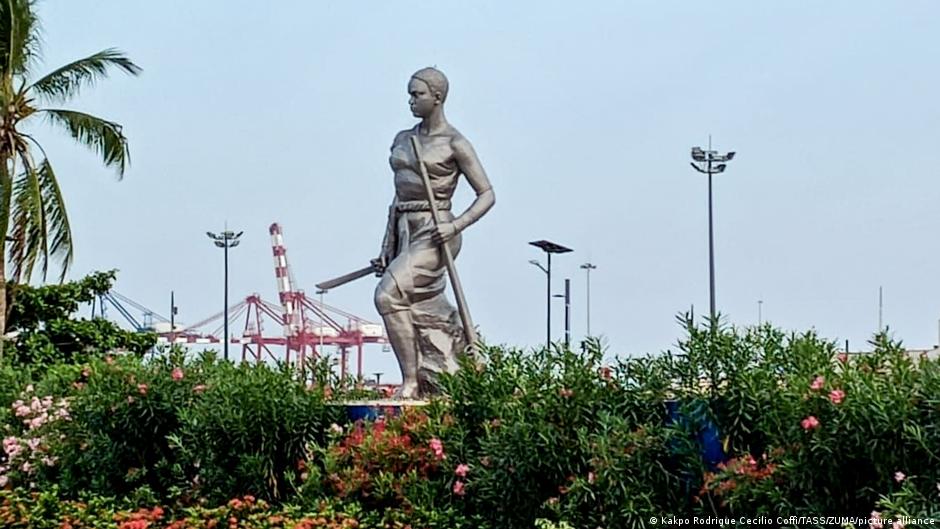
Journalist Wuldath Moussa Mama drew parallels between Toupé’s appointment and the legendary Agodjié, the elite female warriors of the Dahomey Kingdom, who European colonizers famously dubbed ‘Amazons’ in reference to Greek mythology. She reflected:
“This isn’t merely a nod to history—it’s a question of whether we’re seeing a turning point or just an isolated breakthrough. The president’s gesture could be the spark that propels more women into leadership roles, but only time will tell if it sparks lasting change.”
From symbolic roles to real influence
Benin’s current administration includes six women in key ministerial positions: Foreign Affairs, Higher Education, Family and Social Action, Domestic Trade, Employment and Vocational Training, and Communications. While an improvement from the previous cabinet—led by Patrice Talon—which had five women in 23 roles, the numbers still highlight a significant gender gap.
The vice presidency, held by Mariam Chabi Talata Zimé Yérima since 2021, is often cited as progress, but critics argue its constitutional powers are largely ceremonial. In the legislative branch, the situation mirrors broader challenges: the 10th legislature, seated in February 2026, includes 28 female deputies out of 109 seats—a mere 25.7% representation, unchanged from the previous term.
The electoral code mandates one reserved seat per constituency for women, which secured 24 of these positions. The remaining four women entered parliament through other pathways. As Wuldath Moussa Mama noted:
“The numbers tell a story of stalled progress. The issue runs deeper than quotas—it’s about how political parties nurture female leadership and create genuine opportunities for women to rise.”
Honoring the past to shape the future
The appointment of Captain Toupé and the renewed national dialogue about the Dahomey Amazons reflect a broader effort to redefine women’s roles in Benin. While these developments are encouraging, achieving true gender parity in politics will require sustained commitment from institutions, leaders, and society alike.”