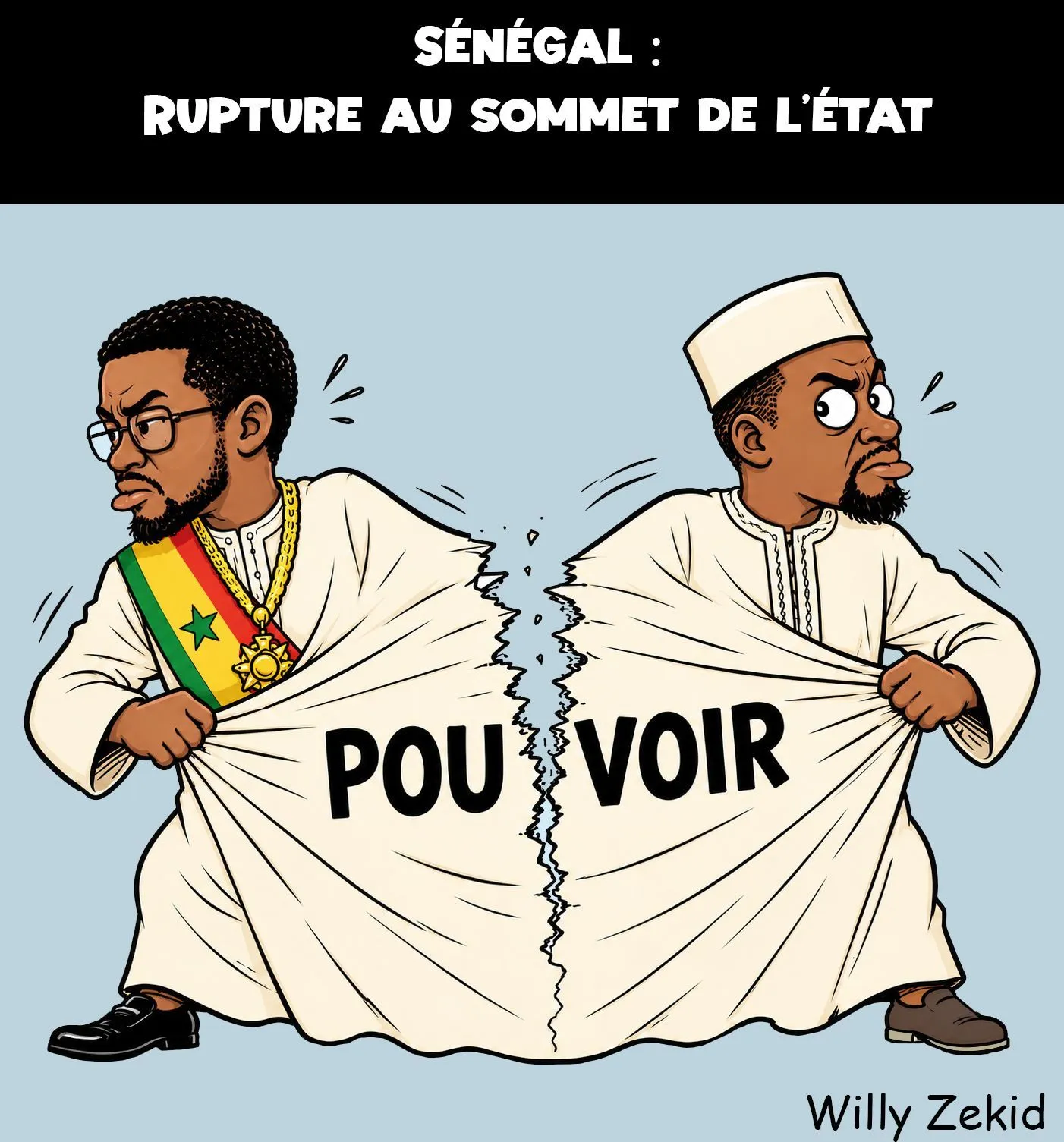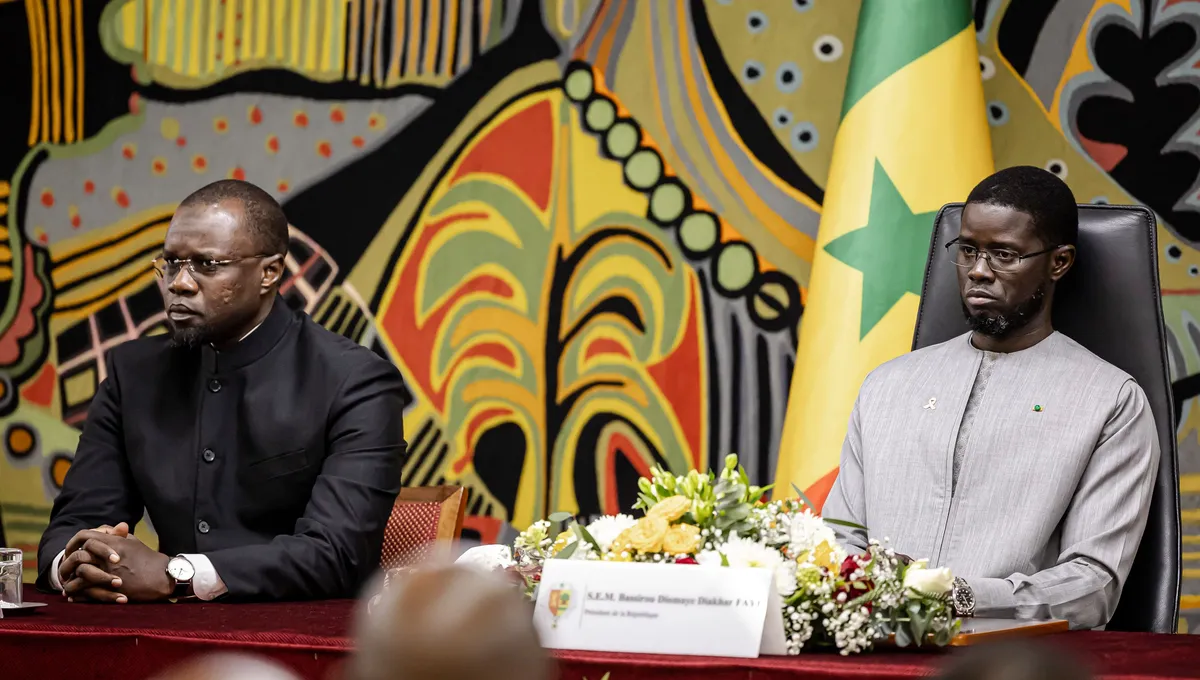
On May 22, 2026, a significant political shift occurred in Senegal as President Bassirou Diomaye Faye removed Prime Minister Ousmane Sonko from his position. This decisive action signaled the end of a governing partnership that, despite its recent formation, had been instrumental in leading the nation. The abrupt departure of the Prime Minister has plunged Senegal into a period of considerable political uncertainty and institutional instability, exacerbated by an ongoing national debt crisis.
Remarkably, just days following his dismissal, Ousmane Sonko returned to the legislative arena, reclaiming his seat as a deputy and subsequently being elected as President of the National Assembly. This dynamic highlights the deep political and institutional crisis now gripping Senegal. While both Ousmane Sonko and Bassirou Diomaye Faye are members of the same Pastef party, underlying tensions and a growing rivalry had reportedly been brewing for months. Further complicating the nation’s challenges, a ‘hidden debt’ amounting to nearly 11 billion dollars was uncovered shortly after their administration took office, intensifying the severe financial strain on the country.
The question now looms: will this change in prime ministerial leadership serve to calm the volatile political landscape, or could it instead ignite further tensions across Senegal?
To shed light on these developments, we consulted with Mehdi Ba, a journalist for Jeune Afrique, and Vincent Foucher, a political scientist and research fellow at the Les Afriques dans le Monde (LAM) laboratory at Sciences Po Bordeaux.
The week’s cartoon
Each week, we feature a cartoon in collaboration with Cartooning for Peace, an organization that showcases the work of committed press cartoonists who humorously champion cultural respect and freedom.