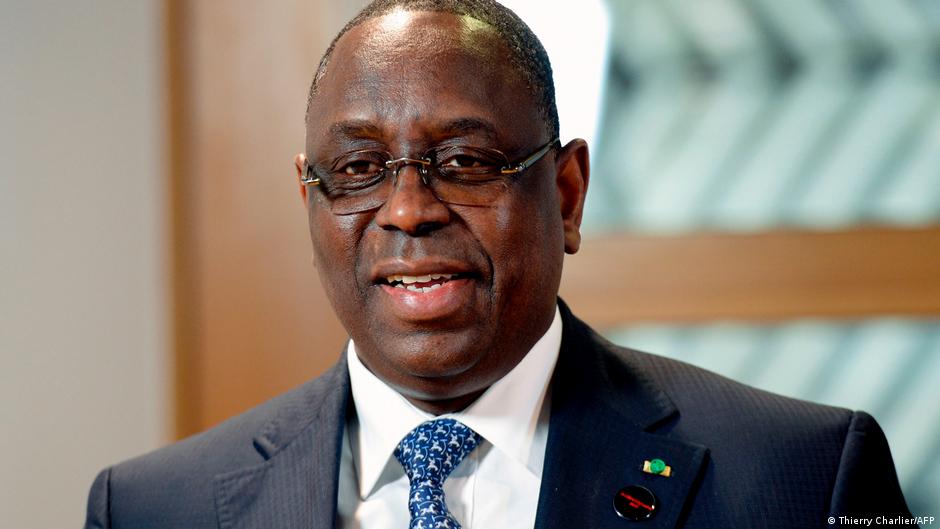
Senegal’s presidential meeting ignites controversy
In Senegal, the upcoming meeting between President Bassirou Diomaye Faye and his predecessor Macky Sall has provoked significant anger. Families of those who suffered political repression during Sall’s time in office are condemning the visit, asserting that it takes place while they still await justice and reparations.
Why is this meeting so contentious? What potential impacts could this high-profile encounter have on Senegal’s political landscape? To shed light on these critical questions, we turn to political analyst Assane Samb. He first discusses the inherent meaning of this meeting within Senegal’s current political context.
Interview with Assane Samb
Assane Samb: This meeting was anticipated, despite the vocal opposition from certain groups.
With Macky Sall now a candidate for the United Nations Secretary-General position, it was unthinkable for his candidacy to be solely championed by other African nations, such as Burundi. The involvement of the Chinese President, who played a crucial role in this process, created a context where diplomatic reconciliation became necessary.
DW : And why does this visit provoke such strong reactions, particularly from victims’ associations and segments of civil society?
This is directly linked to the specific period we experienced between 2021 and 2024. During that time, there were intense street clashes between protesters and security forces. Essentially, the populace was driven by a revolutionary dynamic.
DW : Many organizations, including Amnesty, contend that the former President bears responsibility, as he was the guarantor of public security and the exercise of freedoms, including the right to protest. Mr. Samb, is President Faye facing a dilemma between the diplomatic imperatives of the state and the justice expectations of his political base today?
When he was still with Pastef, he was genuinely apprehensive about officially endorsing Macky Sall. Now that he has severed those ties, he no longer hesitates. That is no longer the case.
DW : To what extent might Macky Sall’s candidacy for UN Secretary-General further polarize the political debate in Senegal?
In reality, the calculations extend beyond the victims – because we speak of martyrs and their suffering. However, what is truly happening is that people genuinely fear Macky Sall’s return, driven by underlying political considerations.
DW : What could be the effects of this meeting, both on the process of national reconciliation and on Senegal’s international image?
Internationally, this meeting will be widely applauded, particularly by African heads of state.
Domestically, however, it is clear that the bipolarization of the political landscape will intensify even further.