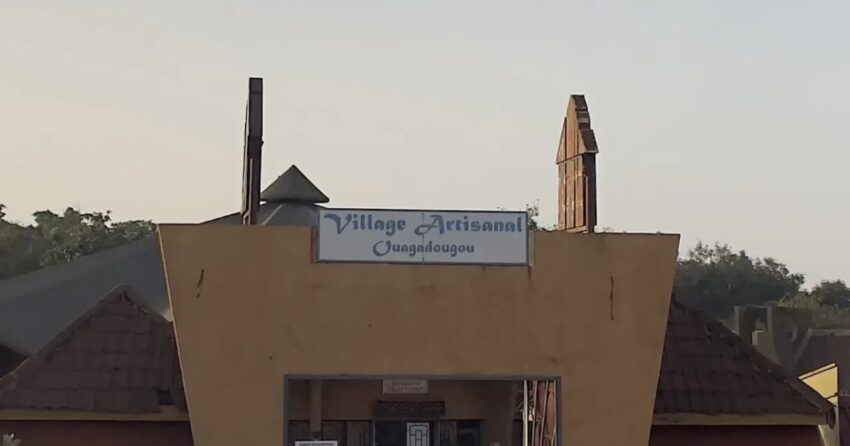
SIAO 2026: Ouagadougou’s craft fair sparks debate over Africa’s industrial future
The 18th edition of the International Craft Fair of Ouagadougou (SIAO) opened its doors in Burkina Faso’s capital on October 30, 2026, with a bold question hanging over the event: Can traditional craftsmanship and modern industry coexist to reshape Africa’s economic landscape?
The inauguration ceremony, led by Burkina Faso’s transitional president Ibrahim Traoré, set the tone for a week of intense discussions about the future of African artisanal production. As the president cut the ceremonial ribbon and toured the exhibition pavilions, the spotlight turned to a critical question: Is this edition of SIAO merely a showcase of cultural heritage, or does it mark the beginning of a new industrial revolution for West African crafts?
From cultural showcase to economic catalyst
The 2026 edition of SIAO has taken a decisive turn toward industrial integration. In a speech delivered by the Minister of Industry, Trade, and Crafts, Serge Gnaniodem Poda, officials emphasized the need to bridge the gap between traditional craftsmanship and large-scale production. The goal? To transform local products into economic drivers while preserving cultural identity.
The shift has not come without controversy. Critics argue that industrializing artisanal production risks diluting the authenticity of handmade goods, while supporters believe it could unlock unprecedented economic opportunities for West African artisans. The debate has dominated discussions both inside and outside the exhibition halls, with stakeholders divided over the best path forward.
Ghana, Mali, and Niger: a regional showcase of craftsmanship
This year’s SIAO has placed a spotlight on regional collaboration, with Ghana serving as the guest of honor and Mali and Niger as special invitees. The inclusion of these three nations reflects a growing recognition of the shared challenges and opportunities in Africa’s craft sector.
The program features a mix of exhibitions, business networking sessions, and a creativity competition at the Thomas Sankara Pavilion. A dedicated day for Ghanaian culture and craftsmanship on November 3 underscores the event’s commitment to celebrating diversity while fostering economic ties.
Food enthusiasts are also catered to, with dedicated spaces showcasing African gastronomy. The event’s organizers have ensured that visitors can experience the full spectrum of African creativity, from textiles to culinary arts.
Logistical challenges and public response
The 2026 SIAO has not been without its logistical hurdles. To accommodate the influx of visitors and exhibitors, authorities adjusted working hours in the Kadiogo province from 7:30 AM to 2:00 PM from October 30 to November 8. Essential services were maintained to minimize disruptions, but the changes have sparked mixed reactions among the public and business owners alike.
While some praise the effort to streamline the event’s operations, others question whether such adjustments are sustainable in the long term. The public debate has extended beyond the fairgrounds, with local media and social platforms dissecting the implications of these changes for Burkina Faso’s economy and workforce.
What’s next for SIAO and African craftsmanship?
As the 18th edition of SIAO draws to a close on November 8, the question remains: What will be the lasting impact of this year’s event? Will it succeed in positioning West African craftsmanship as a competitive force in the global market, or will the industrial push overshadow the cultural essence of the fair?
The reactions from artisans, policymakers, and the public suggest that SIAO 2026 has ignited a conversation that will shape the future of African craftsmanship. With Ghana, Mali, and Niger at the forefront, the event has set the stage for a regional dialogue on balancing tradition with innovation. The coming months will reveal whether this edition marks a turning point or merely a stepping stone toward a more complex and uncertain future.
