When national pride clashes with identity: Sonko’s divisive remarks ahead of France vs Senegal
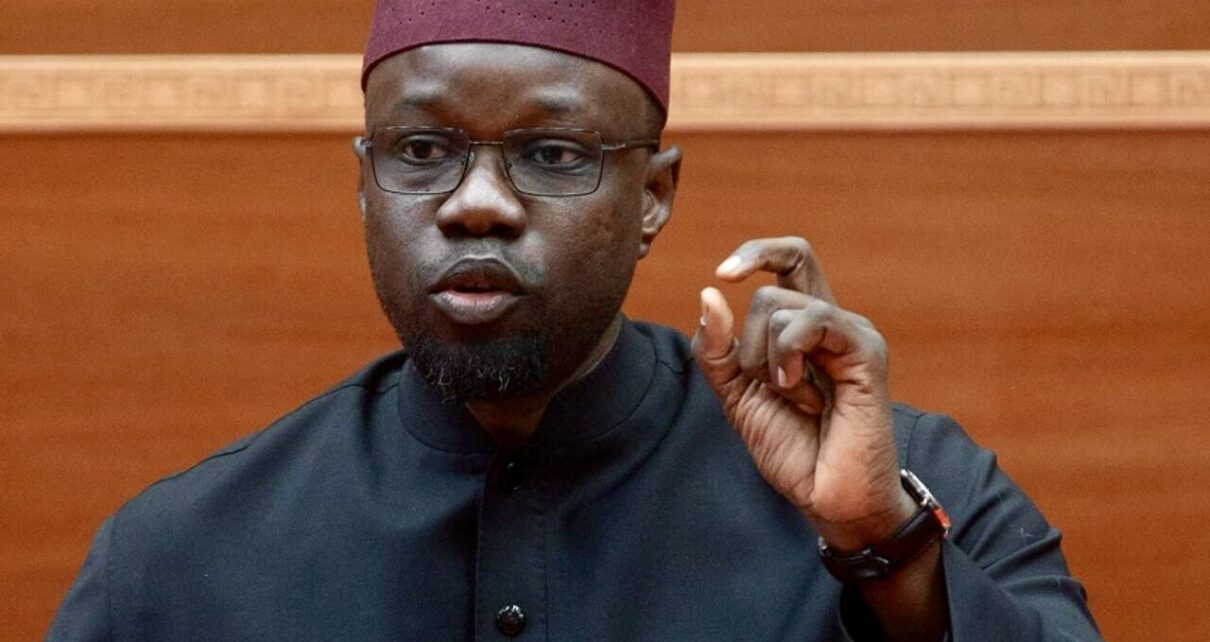
As anticipation builds for the high-stakes showdown between France and Senegal, a statement from Ousmane Sonko, President of Senegal’s National Assembly, has reignited a long-standing debate. In declaring that “regardless of the outcome, it will be Africa defeating Africa,” Sonko inadvertently revived a contentious narrative that reduces Black players on the French team to their ancestry rather than their French identity. A rhetoric historically espoused by far-right figures in Europe, now echoed by one of Senegal’s most prominent political leaders.
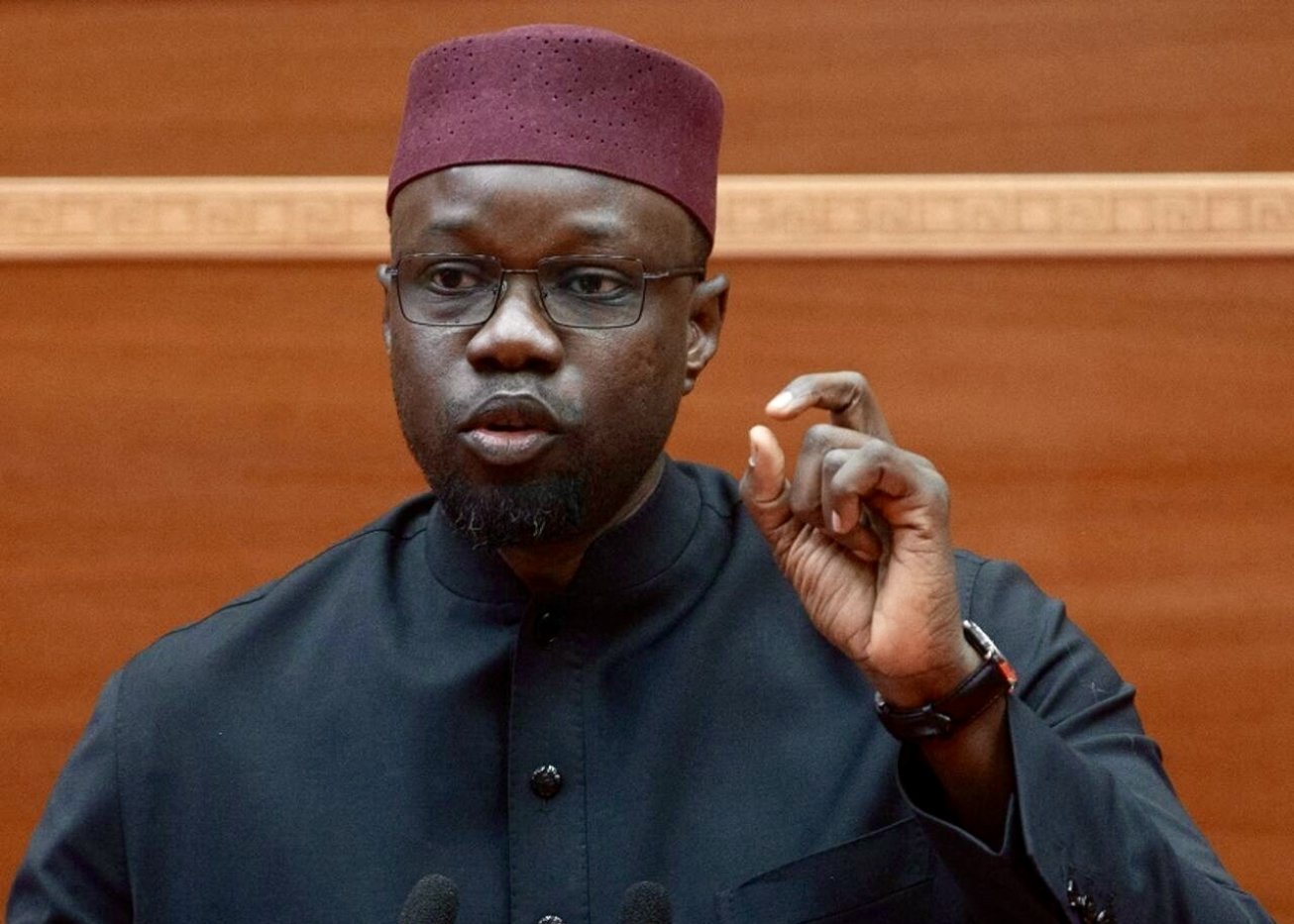
The phrase, though intended as a pan-African gesture, carries undertones that challenge the very notion of national identity. It implies that players like Kylian Mbappé, Aurélien Tchouaméni, and others—who were born, raised, and trained in France—are somehow more African than French by virtue of their heritage. Such a perspective raises critical questions about belonging, citizenship, and what it truly means to represent a nation on the global stage.
Who exactly are the players representing?
The French national team is a mosaic of talent, largely composed of players who have spent their formative years within the French football system. Many were born in metropolitan France, while others hail from overseas territories like Guadeloupe, Martinique, or Réunion—regions that are integral parts of the French Republic. Their journeys to the national team are defined by years of training in French academies, education in French schools, and ultimately, their commitment to the tricolore.
Consider the backgrounds of key players:
- Kylian Mbappé: Born in Paris, trained at AS Bondy before joining Monaco and Paris Saint-Germain.
- Ousmane Dembélé: Raised in Vernon, developed in Rennes’ youth system.
- Aurélien Tchouaméni: Grew up in Rouen, honed his skills at Bordeaux’s academy.
- William Saliba: A Bondy native who rose through Saint-Étienne’s ranks.
- Dayot Upamecano: Born in Évreux, nurtured in Valenciennes’ youth setup.
The echoes of a decades-old controversy
This isn’t the first time such rhetoric has surfaced. In 1996, far-right leader Jean-Marie Le Pen infamously questioned the legitimacy of France’s multi-ethnic team, calling them “foreign players who had been naturalized.” His remarks, including the baseless claim that some players didn’t know the words to La Marseillaise, were met with widespread condemnation. Then-coach Aimé Jacquet and captain Didier Deschamps dismissed the comments outright, while political leaders like Alain Juppé rallied behind the team, praising their representation of modern France.
Fast forward to the 21st century, and the narrative persists—albeit in different forms. Éric Zemmour, despite his legal troubles for hate speech, has repeatedly framed France’s diverse squad as a symptom of national identity erosion. Abroad, supporters in Argentina have taken this logic to extremes, chanting in stadiums that the French team is “African,” not French—a claim rooted in racism that denies these players their French citizenship based solely on their appearance.
The similarity between these arguments and Sonko’s statement is striking. Whether framed as a critique of “foreign infiltration” or a celebration of African heritage, the core implication remains: Black players in the French team are viewed through the lens of their origins rather than their achievements. This double standard is glaring. Would anyone accept a call for the team to exclude players of African descent to better align with a narrow vision of French identity? Such a proposal would be met with immediate outrage. So why is the inverse—attributing an African identity to French players—treated as a harmless or even progressive stance?
The paradox of celebrating Africa while denying French identity
Sonko’s statement, while likely intended as a unifying gesture, underscores a paradox in pan-African discourse. By framing the match as “Africa vs. Africa,” it implicitly denies the French identity of players whose roots lie in the continent. This logic suggests that heritage trumps nationality—a notion that, if applied universally, would invalidate the very concept of dual identity that millions of people, including those in Senegal, embody.
Take the case of Senegal’s 2002 World Cup victory over France. Of the 23 players in that squad, 20 were plying their trade in French clubs, and several had been trained in France. Under the guidance of French coach Bruno Metsu, the Lions of Teranga delivered one of the tournament’s biggest upsets. Yet, no one argued that this was a victory for France. Why? Because those players were representing Senegal. Their success was a testament to their commitment to their national team, not their ancestral ties.
The same principle applies today. The French players on the pitch are not wearing the tricolore because of where their parents were born. They are there because they are French—by birth, upbringing, and choice. Their victories are not Africa’s victories; they are France’s victories, just as Senegal’s triumphs are Senegal’s own.
A call for clarity in identity
Ousmane Sonko is a figure of significant influence in Senegal, a nation that has long championed pan-African unity. His words carry weight, and their implications deserve scrutiny. While it’s understandable to celebrate the African diaspora’s contributions to global football, it’s equally important to recognize the individual identities of those who represent their countries. A player’s heritage does not negate their nationality; it enriches it.
The debate sparked by Sonko’s remarks is not just about football. It’s about how societies define belonging. Is one’s identity fixed by ancestry, or is it shaped by the values, education, and opportunities one embraces? For the players on the French team, the answer is clear. They are French. They play for France. And their victories belong to France—just as Senegal’s belong to Senegal.