Chad: the spectacle of ashes, the art of ruling through chaos
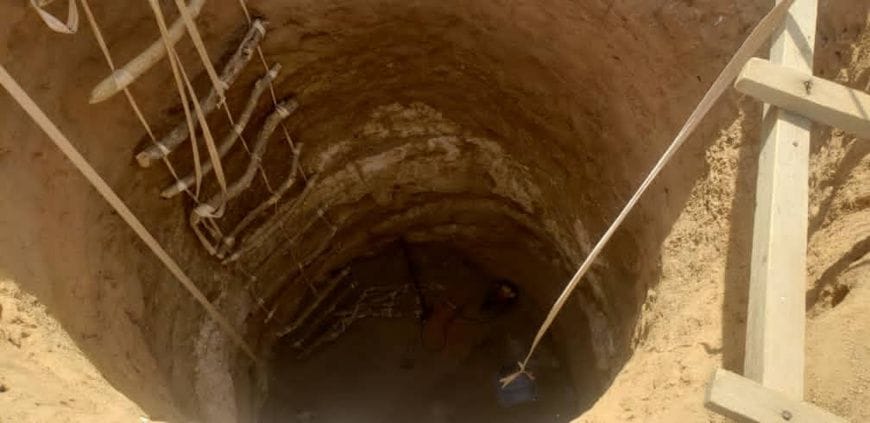
Losing lives over a well in the 21st century is neither divine will nor ancestral tradition—it’s the direct consequence of a deliberately unaddressed institutional void.
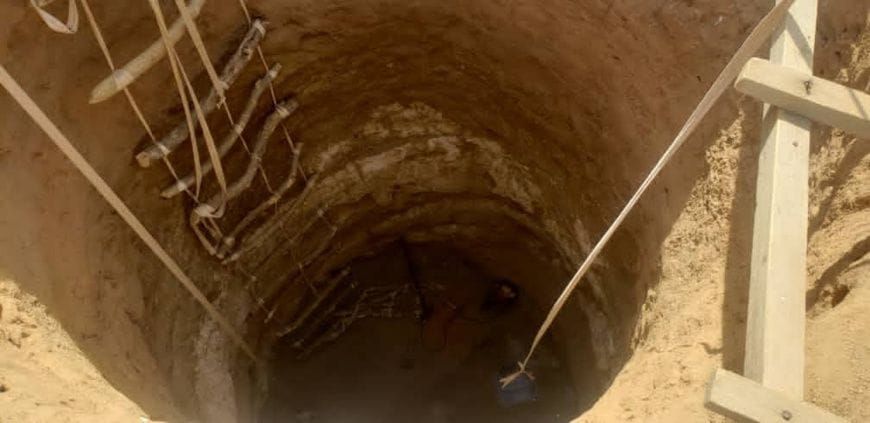
For 36 years, the script has remained unchanged. The scenery shifts, the faces of messiahs rise and fall from father to son, yet the bloodshed persists daily—bathed in the same hue of failure. Here, intercommunal clashes aren’t resolved; they’re orchestrated. The roar of military aircraft and dust-choked processions that blanket villages and blind victims take precedence over the cold precision of an independent judiciary. This is the anatomy of a meticulously crafted downfall.
Staged interventions, hollow resolutions
When a skirmish erupts over a well or grazing land, the State’s response follows a predictable choreography: high-profile delegations, grandstanding mediations, and condescending speeches. But what remains once the dust kicked up by 4x4s settles? Nothing. That’s the crux of the matter. This spectacle isn’t cheap. The cost of a single presidential trip or a flashy peacekeeping mission could fund thousands of modern wells, turning a scarce resource into a shared asset. Yet, building lasting infrastructure would strip away the very excuse for the savior’s recurring visits. The State thrives on maintaining the illusion of perpetual need.
A gutted judiciary, a nation at risk
Elsewhere, leaders stay in their capitals not out of disdain, but because their nations function. In Chad, however, politics has systematically neutered justice. A robust judiciary is a threat to those who govern through arbitrariness. By denying courts the autonomy to settle disputes, the State pushes citizens toward vigilante justice. Losing lives over a well in the 21st century is neither divine will nor ancestral tradition—it’s the direct consequence of a deliberately unaddressed institutional void. Political failure here is absolute, as it prioritizes crisis management over nation-building and unity.