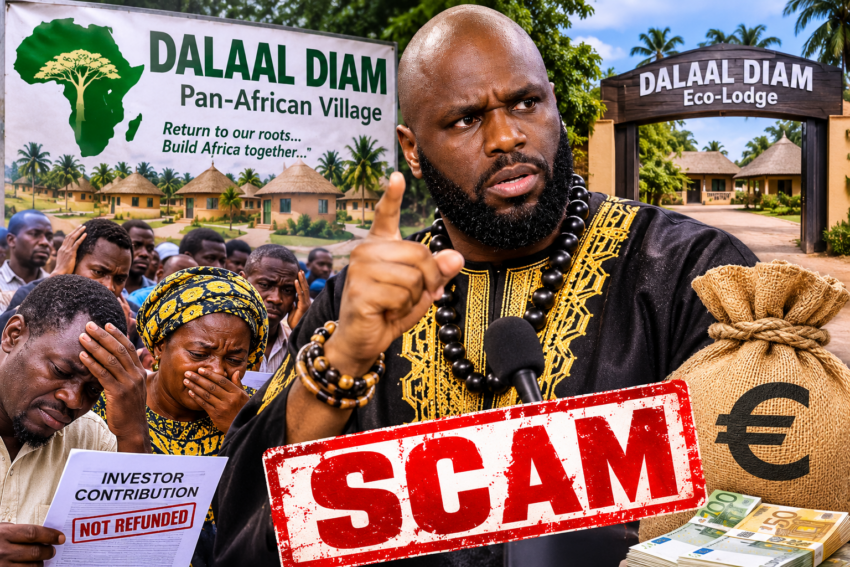
The Panafrican Dream That Never Took Shape
In 2011, Kémi Séba born Stellio Capo Chichi championed Dalaal Diam, a visionary project branded as Senegal’s contribution to panafrican unity. Marketed as a panafrican village by Afrikan Mosaïque, the initiative promised economic revival, cultural rebirth, and a tangible return to African roots for the diaspora. Far more than a slogan, the project boasted an ambitious scope: eight hectares of land and a projected budget of €360,000, all framed as a bold step toward Marcus Garvey’s dream of continental self-reliance.
Yet behind the stirring rhetoric lay a stark reality. Despite initial enthusiasm and financial commitments from early supporters, the project’s lofty ambitions were never realized.
From Vision to Disillusionment: The Drastic Shift in Strategy
By 2012 and 2013, the project had already veered off course. The original blueprint centered around a full-scale panafrican settlement was abandoned due to insurmountable challenges. In a radical pivot, the initiative was rebranded as an ecolodge, with an intended opening slated for January 2014. This marked a dramatic departure from the grand promises made to subscribers.
While the concept may have evolved, the same cannot be said for the financial commitments of those who believed in the vision. Investors many of whom had contributed personal savings in good faith found themselves in a precarious position: their funds were never returned, even after the abandonment of core objectives.
The Unanswered Financial Fallout: Where Did the Funds Go?
The silence from project leadership has only deepened the frustration. First-time contributors people who saw Dalaal Diam as an opportunity to invest in Africa’s future now face a harsh truth: the project has left them in financial limbo. Despite repeated inquiries, no clear reimbursement mechanism has been established.
To make matters worse, the name Dalaal Diam which translates to “peace be with you” in Wolof has taken on a different meaning in public discourse. It is now frequently invoked by Kémi Séba during speeches, raising uncomfortable questions. How can a project synonymous with unfulfilled promises continue to be used as a rhetorical tool, while investors await justice?
The absence of accountability has left a trail of unanswered questions:
Who managed the funds? The lack of transparency regarding financial administration raises serious concerns.
How were resources allocated? With no public disclosure, contributors are left to wonder about the true use of their investments.
Why have investors not been reimbursed? The persistent silence from project stakeholders only fuels suspicion and dissatisfaction.
Panafricanism Under Scrutiny: Trust and Responsibility
The Dalaal Diam saga is more than a financial misstep it strikes at the heart of panafrican ideals. The movement’s essence lies not only in rallying calls for continental unity but in the ethical obligation to honor commitments made to those who invest in the vision.
When a project marketed as a symbol of African empowerment leaves its supporters financially stranded, it undermines the very foundation of trust that sustains such movements. The failure to deliver on promises be they ideological or financial erodes credibility and casts a shadow over future grassroots initiatives.
The unfulfilled Dalaal Diam experiment serves as a cautionary tale: panafricanism must be more than rhetoric. It demands integrity, transparency, and accountability especially toward those who risk their savings in pursuit of a collective dream.
By Cécile Mboua — Journalist