Cyber intrusion exposes vulnerabilities in America’s non-classified intelligence systems
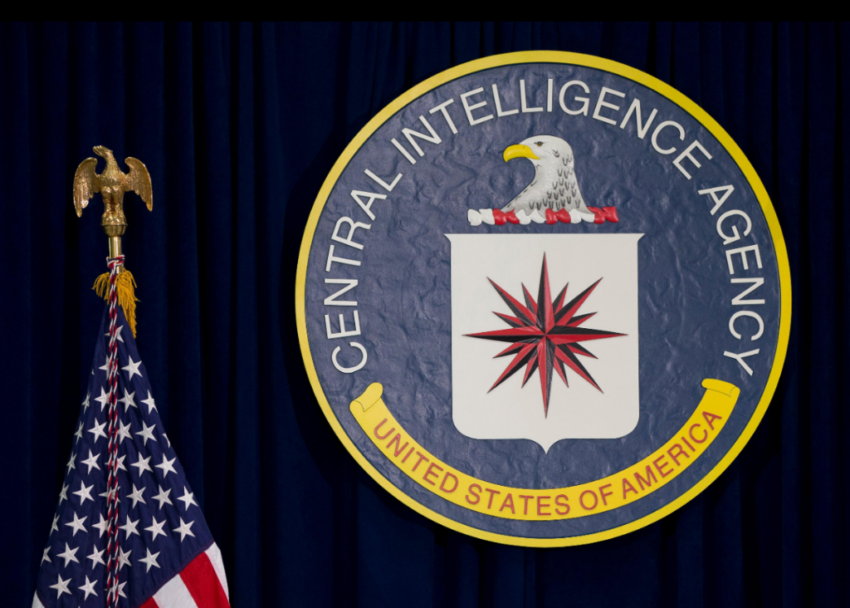
In a significant cybersecurity breach, a non-classified computer system used by the Central Intelligence Agency (CIA) and the Office of the Director of National Intelligence (ODNI) has been compromised. Authorities report that while classified networks remain unaffected, the incident raises critical questions about the security of open-source intelligence operations that power US intelligence efforts. The intrusion, detected in late November 2026, has left officials scrambling to assess the full extent of the exposure and potential long-term consequences for national security.
This breach comes at a time when cyber threats against American institutions are intensifying, highlighting the growing risks faced by even non-sensitive systems that support vital intelligence functions. The compromised platform is a cornerstone of the US intelligence community’s Open Source Intelligence (OSINT) capabilities, which rely on publicly available and commercially sourced data to inform global monitoring and strategic decision-making.
OSINT under attack: How exposed data could reshape global intelligence dynamics
The targeted system serves as the backbone of America’s OSINT operations, aggregating and analyzing information from diverse sources such as social media, commercial databases, news outlets, and geospatial platforms. Unlike classified intelligence gathered through covert operations, OSINT data is typically accessible to the public. However, its systematic collection and analysis provide critical insights into geopolitical trends, military movements, and foreign policy strategies.
While authorities insist that no classified information was compromised, the potential exposure of OSINT workflows could reveal invaluable intelligence about US priorities. Intruders gaining access to this system may uncover which regions or topics the CIA prioritizes, the specific data sources analysts rely on, and even the analytical patterns used to interpret global developments. Such indirect revelations could significantly bolster adversaries’ understanding of US intelligence methodologies without ever touching a classified network.
Silent threats: Why non-classified systems are becoming top cyber targets
Despite reassurances about classified systems remaining secure, this incident underscores a harsh reality: cyber actors increasingly view non-classified infrastructure as low-hanging fruit with high strategic value. The CIA and ODNI’s OSINT platform exemplifies this trend—it must remain interconnected with external data sources to function, creating multiple entry points for potential intruders. The challenge for security teams is to protect these systems without severing their essential connections to the outside world.
Investigators are now racing to determine how long the attackers had access to the system, which specific datasets were accessed, and whether any data was exfiltrated. The uncertainty surrounding these questions amplifies concerns about the potential for long-term damage to US intelligence capabilities, even if the immediate fallout appears contained.
The mystery behind the attack: Who’s responsible for the breach?
The origins of the cyber intrusion remain shrouded in mystery. Authorities have not yet officially attributed the attack to any group, state actor, or criminal organization, leaving a wide range of possibilities open. Possible scenarios include lone hackers, sophisticated cyber espionage groups, or state-sponsored actors aiming to gather intelligence on US monitoring capabilities.
Technical details about the intrusion have not been disclosed publicly, further complicating efforts to trace the perpetrators. The CIA has declined to comment on the incident, adding to the veil of secrecy surrounding the investigation. Without clear attribution, the geopolitical implications of the breach remain uncertain, though it has already sparked international discussions about the vulnerability of open intelligence systems.
Broader implications: How this breach could shift America’s cybersecurity strategy
This incident is not an isolated event. Recent months have seen multiple cybersecurity challenges facing American institutions, from data breaches at the Federal Bureau of Investigation (FBI) to technical disruptions in the Department of Agriculture‘s systems. While no direct links have been established between these events, they collectively highlight the mounting pressure on US cyber defenses.
The CIA and ODNI breach serves as a stark reminder that cybersecurity extends beyond classified networks. Even seemingly peripheral systems—critical for daily intelligence operations—can become high-value targets when they provide indirect insights into national security priorities. As Washington grapples with these challenges, the incident underscores an urgent question: how can America safeguard its intelligence tools while maintaining the connectivity they require to function effectively?
The answers may redefine the future of US cybersecurity, forcing intelligence agencies to reconsider how they balance openness with protection in an increasingly connected digital landscape.