The humanitarian sector in Togo is under renewed scrutiny following a high-profile incident at the Muslims Around The World (MATW) office in Kpogan. The theft of 62 million West African CFA francs in cash from the NGO’s premises has exposed deep-seated financial irregularities that extend far beyond a single breach of security.
While Lomé’s streets struggle with rising living costs and widespread economic hardship, the city has become a hub for opaque financial transactions. Charitable organizations, often operating without transparent oversight, have increasingly become entangled with state interests, creating a parallel economy where cash circulates freely outside regulated banking channels.
Cash-rich NGOs: the hidden side of humanitarian aid
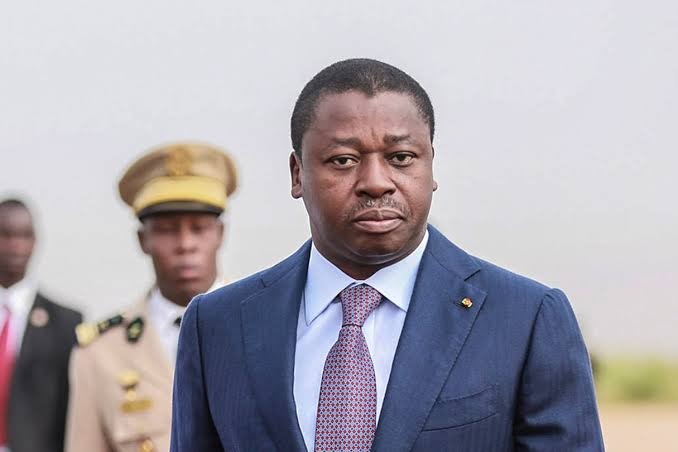
How can an organization like MATW accumulate millions in physical currency without triggering financial regulators? Experts point to systemic leniency within Togo’s financial oversight framework. Under President Faure Gnassingbé‘s administration, the proliferation of non-governmental organizations has been accompanied by minimal scrutiny over fund origins or usage. This environment allows questionable financial flows to be funneled through humanitarian channels, effectively bypassing standard banking protocols.
« In Togo, the NGO status provides a de facto shield against financial transparency, enabling cash transactions to thrive without traceability, » explains a West African financial crime analyst.
Political and financial cover for the regime
Critics argue that the surge in unregulated charitable financing serves a dual purpose for the government:
- Capital and image laundering: Humanitarian initiatives offer a means to sanitize illicit funds while securing political goodwill among economically vulnerable citizens.
- Informal redistribution networks: By prioritizing cash over traceable transfers, certain NGOs inadvertently facilitate the movement of state-linked funds to allies and business networks.
A regulatory system with glaring gaps
Despite Togo’s public commitments to international financial compliance, the reality reveals a stark contrast between policy and practice. While commercial banks adhere to strict BCEAO guidelines, the informal sector and NGOs operate in a regulatory gray area that disproportionately benefits powerful elites.
Without enforced banking requirements and mandatory audits for NGO funds, the humanitarian sector in Togo will remain vulnerable to exploitation as a financial escape route for a system under increasing strain.