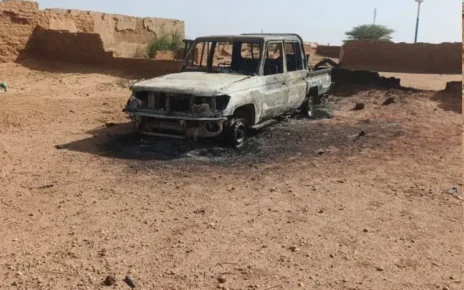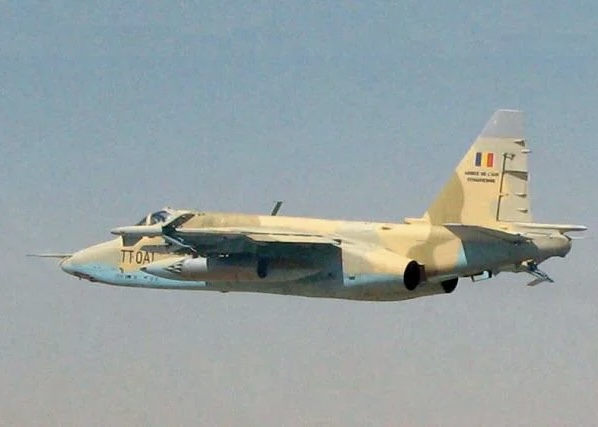
Chadian military operations in the Lake Chad region have raised serious concerns following reports of dozens of Nigerian fishermen missing after airstrikes targeted what N’Djamena calls Boko Haram strongholds. Since Friday, the Chadian air force has been conducting aerial bombardments on several islands within the lake’s Nigerian waters, which authorities claim serve as operational bases for the Islamist militant group.
The intensified strikes come in response to a recent cross-border assault by Boko Haram against Chadian military outposts. While the operation’s stated goal is to dismantle extremist networks, local witnesses and community leaders allege that the attacks have resulted in significant civilian casualties, particularly among fishing communities that rely on the lake’s rich aquatic resources.
civilian toll emerges as lake Chad fishing communities face devastating losses
The Lake Chad Basin, a sprawling wetland shared by Nigeria, Cameroon, Niger, and Chad, has long been a contested zone where Boko Haram and the Islamic State’s West Africa Province (ISWAP) have maintained a persistent insurgency since 2009. For many local fishermen, navigating the lake’s waters has become a dangerous gamble—one that often involves paying levies to armed groups to gain access to prime fishing grounds.
According to an anonymous spokesperson for a local anti-jihadist vigilante group, the Chadian airstrikes have left an unknown number of casualties among Nigerian fishermen who were operating with Boko Haram’s tacit approval. «It’s impossible to determine the exact death toll right now,» the source stated. «The military operation is still ongoing, and many bodies may never be recovered from the lake’s murky waters.»
Shuwa Island, a remote but strategically vital fishing hub where the borders of Nigeria, Niger, and Chad converge, has been a primary target of the aerial campaign. Boko Haram has historically controlled the island, extorting local fishermen to fund its operations. «Fishing villages like Doron Baga and Taraba State in Nigeria have borne the brunt of these attacks,» shared Adamu Haladu, a fisherman from Baga. «We knew the risks, but we had no choice. The fish here are plentiful, and survival depends on it.»
40 fishermen missing after chadian airstrikes
Local fishing unions have reported that at least 40 Nigerian fishermen are now missing, presumed dead after the bombings. «Entire families have been wiped out,» revealed a representative from the Lake Chad Fishermen’s Union. «Those who survived describe scenes of chaos—boats capsized, nets destroyed, and bodies floating in the water.» Survivors from Doron Baga, a fishing community on Nigeria’s Lake Chad shoreline, described the immediate aftermath as «apocalyptic,» with entire boats vanishing beneath the waves.
This incident echoes a tragic pattern. In October 2024, Chadian airstrikes in retaliation for a Boko Haram attack that killed 40 Chadian soldiers reportedly resulted in the deaths of dozens of Nigerian fishermen on Tilma Island. While Chadian military officials denied targeting civilians, witnesses and rights groups have consistently challenged these claims.
lake Chad’s humanitarian crisis deepens amid ongoing insurgency
The Boko Haram insurgency, which has plagued Nigeria and its neighbors for over a decade, has left a devastating trail of destruction. According to United Nations estimates, the conflict has claimed over 40,000 lives and displaced more than two million people across the region. The violence has spilled into neighboring countries, including Niger, Cameroon, and Chad, where armed groups exploit porous borders to launch attacks and evade military crackdowns.
In 2015, Nigeria, Chad, Cameroon, and Niger revived the Multinational Joint Task Force (MNJTF), a regional security alliance established in 1994 to combat cross-border threats. However, cooperation has faltered in recent years, with Niger withdrawing from the force in 2025 amid escalating tensions between member states. Analysts warn that the weakened alliance has emboldened insurgent groups, allowing them to regroup and launch increasingly brazen attacks.
As the humanitarian toll rises, so too does the urgency for a coordinated regional response. For the fishermen of Lake Chad, the stakes could not be higher. «We are caught between the lake’s dwindling fish stock and the bullets of war,» lamented Haladu. «Without peace, there is no future.»