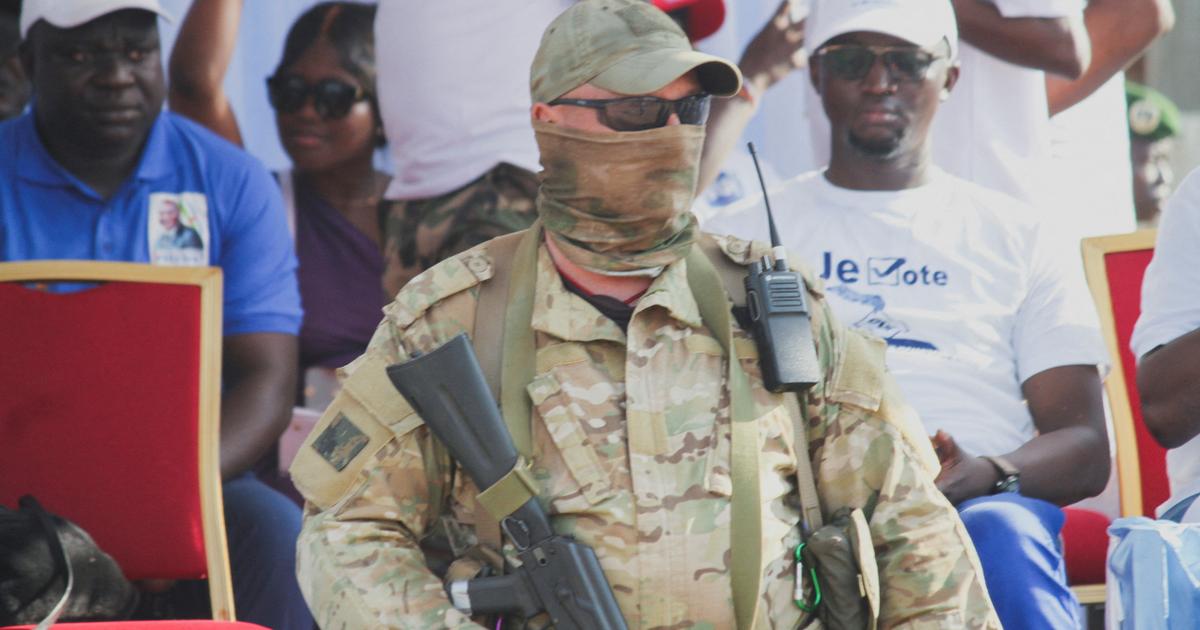
Central African Republic becomes a hub for Wagner’s illicit operations
The Central African Republic has become the nerve center of a burgeoning drug trade that is breathing new life into the operations of the Russian paramilitary group Wagner. Once weakened by the 2023 death of its founder, Evgueni Prigojine, and overshadowed by Russia’s official Africa Corps, Wagner has found a lucrative lifeline in the trafficking of tramadol, a powerful opioid now circulating in the region.
Originally prescribed for mild pain, tramadol has been repackaged and concentrated into an even more potent form, earning it the nickname “poor man’s cocaine”. Its widespread availability and low cost have made it a preferred stimulant among fighters, miners, and even government-aligned militias.
Wagner’s expanding influence under new leadership
Despite Prigojine’s demise and the rise of Africa Corps, Wagner’s presence in the Central African Republic remains strong. Approximately 500 fighters, now under the command of Prigojine’s son, Pavel, continue to operate with minimal scrutiny. The country’s porous borders, abundant natural resources, and weak governance have made it an ideal base for their activities.
In addition to tramadol trafficking, Wagner controls gold mines across the country, generating an estimated $180 million in annual profits, according to Global Initiative. These illicit mining operations, combined with Wagner’s deep entrenchment in the local power structure, have allowed the group to exert significant influence over the Central African Republic’s political and economic landscape.
A dangerous network spanning borders
The tramadol trade, sourced from the Democratic Republic of the Congo, flows through Central African Republic before spreading across the region. Wagner’s fighters manage its distribution, supplying the drug not only to local markets but also to neighboring countries at inflated prices.
Reports indicate that Wagner’s operatives provide tramadol to key figures, including members of the presidential guard, the pro-Russian ‘Sharks’ militia—known for patrolling the capital and suppressing opposition—and even gold miners working under Wagner’s control. The drug is also reportedly handed out to pro-Moscow protesters and counterinsurgency fighters to enhance their combat performance.
Security analysts warn that Wagner’s drug networks could soon extend into neighboring Sudan, where the Rapid Support Forces (RSF) are operating in regions close to the Central African Republic. The convergence of these illicit activities raises concerns about the group’s growing regional ambitions.