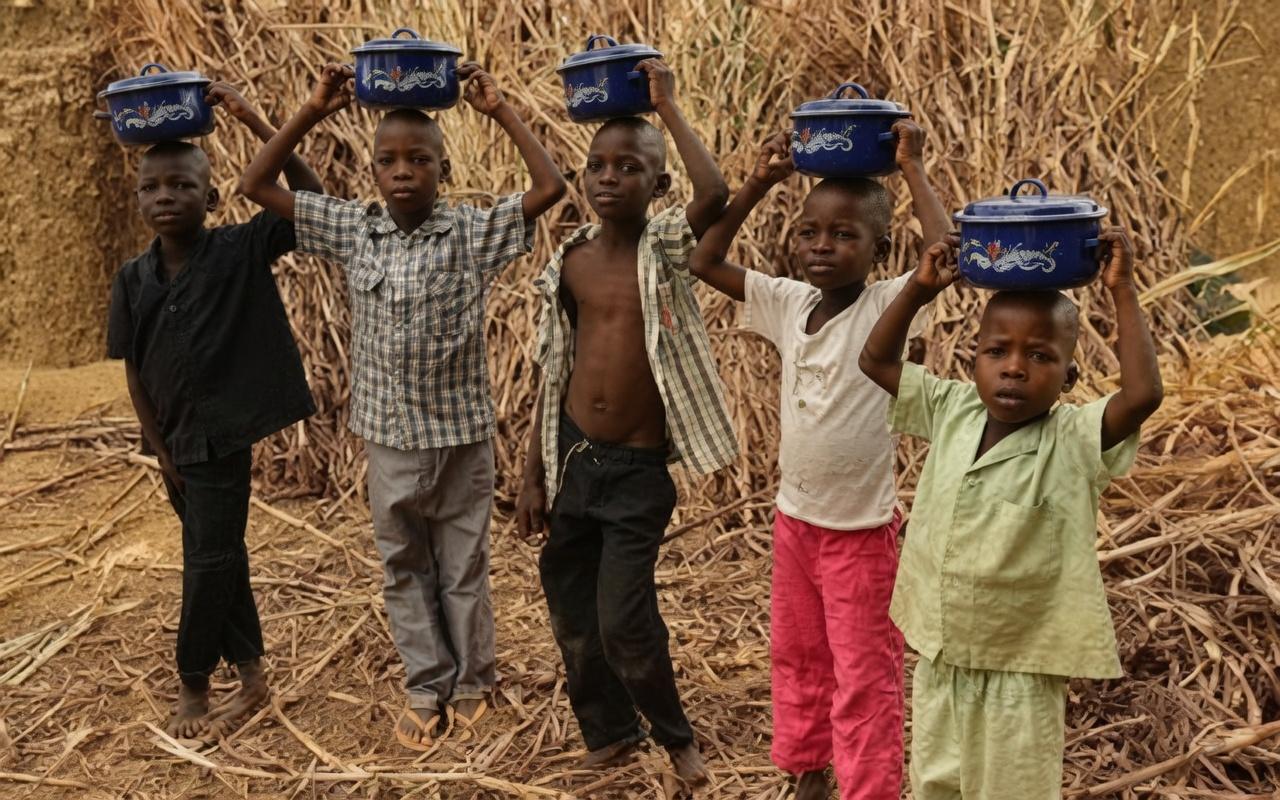
The narrative of a burgeoning « eldorado » under Captain Ibrahim Traoré’s leadership, as propagated by state-aligned media, appears increasingly disconnected from the lived experiences of many Burkinabè. While official discourse emphasizes a historic transformation and a progressive popular revolution, the day-to-day reality is dominated by persistent insecurity, economic hardship, and unmet expectations for tangible progress.
The promise of renewal and its delayed realization
Since assuming office, Ibrahim Traoré has consistently outlined ambitious goals: accelerating industrialization, reclaiming national territory, and fostering endogenous development. Yet, for the majority of citizens, these commitments remain largely abstract. While isolated infrastructure projects may exist, their isolated nature does not reflect the broad-based progress often described in official communications. The disconnect between rhetoric and reality becomes particularly evident when examining the lived conditions across the country.
Unrelenting security challenges and humanitarian strain
The security situation continues to deteriorate in several regions, with frequent attacks and a growing number of internally displaced persons. This instability has triggered large-scale population movements, as families seek refuge in safer areas or neighboring countries. The consequences are severe: disrupted agricultural activities, restricted access to essential services, and heightened food insecurity threaten the livelihoods of thousands of households. In areas where state presence is limited due to violence, communities face extreme hardship, often relying on humanitarian aid when it reaches them.
The human cost of political ambition
The official portrayal of Burkina Faso as a nation on the cusp of prosperity contrasts sharply with the daily struggles of its people. While some segments of the population remain receptive to sovereignist rhetoric and grand announcements, a growing number are demanding concrete improvements in security, employment, economic stability, and public services. For these citizens, the era of slogans appears to be waning; only tangible results will restore lasting confidence in the transition leadership.
National sovereignty and governance: a complex equation
Statements such as Ibrahim Traoré’s assertion that « the current context is no longer that of 1987 » are framed within a broader political strategy to assert the sovereignty of the Alliance of Sahel States (AES). While this rhetoric resonates with certain segments of public opinion, it does little to address critical questions regarding governance effectiveness, economic performance, or security outcomes. Analysts argue that the true challenge lies not in declarations of political independence but in translating these ambitions into measurable improvements for the Burkinabè people.
From rhetoric to reality: a growing skepticism
Presenting Burkina Faso as an « eldorado » risks being perceived less as an accurate reflection of national conditions and more as a deliberate effort to enhance the government’s image. Until promises are fulfilled through visible progress in citizens’ daily lives, such narratives are likely to encounter increasing skepticism. The Burkinabè public has demonstrated a clear preference for action over rhetoric, underscoring the urgent need for the transition leadership to deliver on its commitments.