World bank pumps $160 million into Chad’s water and climate resilience
The World Bank has committed $160 million to expand water access and bolster climate resilience in Chad’s most vulnerable regions, directly benefiting one million people, including over half a million women.

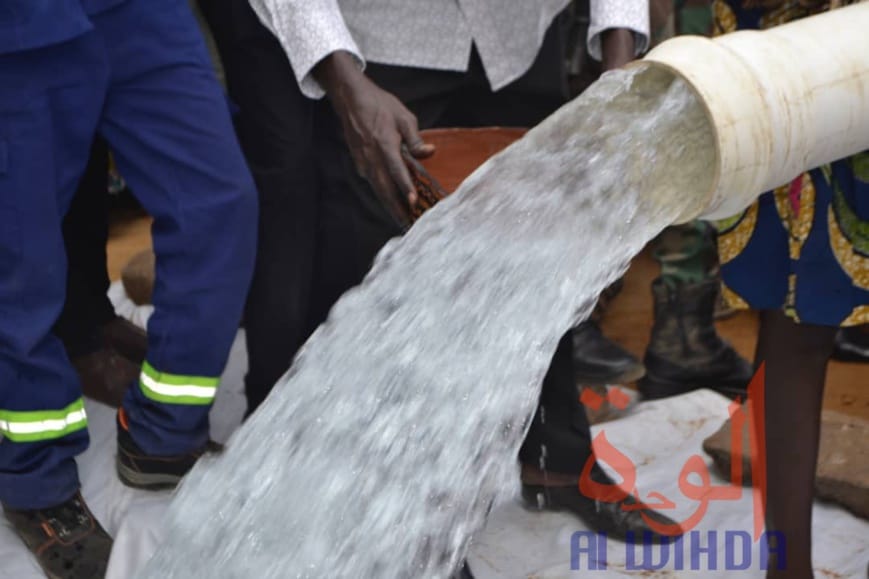
The World Bank is stepping up its commitment to Chad by launching a $160 million initiative aimed at securing water supplies and strengthening climate resilience in regions grappling with environmental and humanitarian challenges. This funding, approved by the International Development Association (IDA), will target critical infrastructure and services to protect communities against water scarcity, extreme weather, and land degradation.
The Chad Water Security and Resilience Support Project (PASER) represents a pivotal investment in stabilizing fragile areas where climate shocks and forced displacement have deepened vulnerabilities. By focusing on sustainable resource management, local capacity building, and essential service delivery, the project seeks to address the root causes of instability, including uneven access to opportunities and recurring conflicts over dwindling natural resources.
“With water stress intensifying social tensions and over 1.3 million Sudanese refugees seeking shelter in eastern Chad, this initiative is not just about infrastructure—it’s about restoring hope and economic prospects,” noted Farouk Mollah Banna, the World Bank’s Resident Representative in Chad. “By addressing regional disparities and fostering inclusive growth, we’re tackling the structural drivers of fragility head-on.” The project’s $80 million component under the Window for Host Communities and Refugees (WHR) will specifically support communities hosting displaced populations.
Aligned with Chad’s national development blueprint (Chad Connexion 2030 – Programme 15), PASER marks a strategic pivot from emergency aid to long-term resilience-building in provinces hit hardest by displacement. “This operation proves that targeted development investments can serve as catalysts for peace and stability in some of the world’s most precarious settings,” added Hawa Cissé Wagué, Acting Country Director for Chad at the World Bank. “It’s a clear step toward a more secure, inclusive future for all.”
The project is set to transform lives across refugee-hosting provinces, N’Djamena, and other high-risk zones, reaching nearly one million people—more than half of whom are women—with resilient infrastructure and services designed to withstand future climate threats.