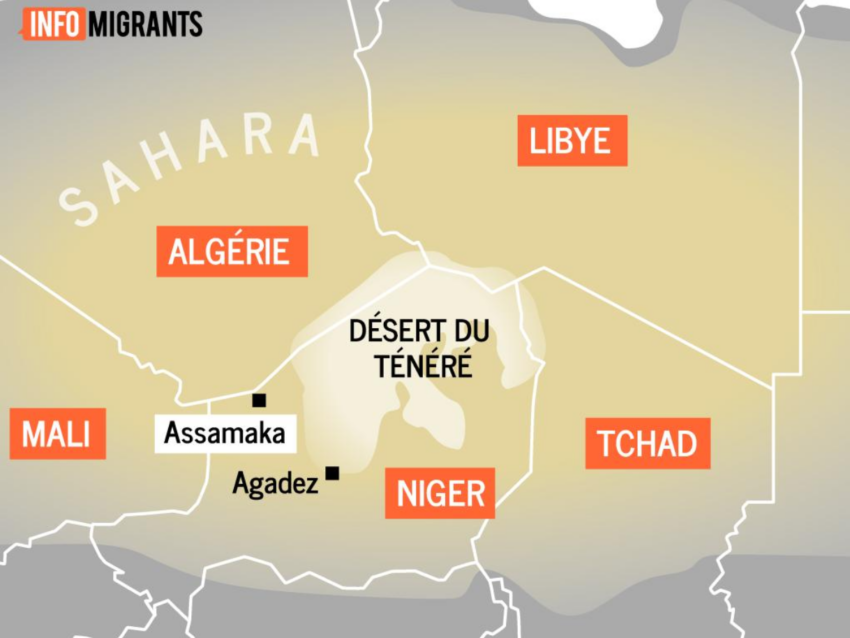
The urgent convening of Algeria’s parliamentary chambers on October 25 has reignited debates about the real-world consequences of Algiers’ growing military ties with Niamey. Beyond speculation about potential troop deployments, the stakes involve regional sovereignty, shifting alliances, and the economic stability of Sahel nations—and their citizens.
Economic and security ripple effects across the Sahel
Could Algeria’s evolving security posture reshape the Sahel’s fragile equilibrium? The extraordinary parliamentary session, called without a published agenda, has fueled uncertainty. While no official confirmation exists about military intervention in Niger, recent political and defense developments suggest Algiers is recalibrating its regional role—a move with far-reaching implications for businesses, trade routes, and local communities.
A military partnership with tangible regional impacts
On August 30, 2026, Algeria deployed four Su-30 fighter jets and a refueling aircraft to Niamey at the request of Niger’s government. This wasn’t just a symbolic gesture—it marked a strategic shift. For a region plagued by instability, weakened cooperation frameworks, and external power struggles, Algeria’s move signals its determination to maintain influence. Businesses operating in the Sahel, from logistics to energy, now face renewed uncertainty as security dynamics evolve.
The momentum grew on October 21 with the signing of a military cooperation protocol between Algerian and Nigerien officials. While details remain undisclosed, the agreement underscores deepening defense ties. For citizens, this could mean altered trade flows, disrupted supply chains, or even shifts in local economic priorities as security collaborations take precedence.
Constitutional constraints and parliamentary urgency
Algeria’s constitution adds weight to the parliamentary session. Article 91 mandates that any deployment of the National People’s Army abroad requires approval from both chambers with a two-thirds majority. This legal hurdle explains the extraordinary nature of the convocation—but it doesn’t confirm the agenda.
Without a stated order of business, caution is essential. The session could address Niger, or it might tackle unrelated security matters. For observers, distinguishing between institutional procedure, strategic deliberation, and operational decisions is critical. Misinterpreting these layers risks turning speculation into perceived policy—and the economic consequences of such missteps could be severe.
Niger’s strategic dilemma and Algeria’s preventive stance
For Niamey, strengthening ties with Algiers offers a diversification of security partnerships. In a Sahel battling persistent armed threats and shifting alliances, Algeria’s military support provides a strategic advantage. Yet the stakes are high: any escalation in conflict could destabilize trade, displace communities, and strain already fragile economies.
Geographically, Niger and Algeria share more than a border—they share security challenges. Armed group movements, cross-border trafficking, and regional instability threaten both nations. Algeria’s actions may aim to contain these risks rather than launch offensive operations. For local businesses, this could mean heightened security measures, altered cross-border commerce, or economic priorities realigned to address new threats.
Regional rivalries and unseen economic costs
Some analyses suggest Algeria might target UAE interests in Niger amid broader geopolitical tensions. Yet no official evidence supports this claim. Direct confrontation with a third party would escalate diplomatic and security costs, further fracturing a region already under strain. For the Sahel’s economies, such a scenario could mean sanctions, reduced foreign investment, or disrupted trade agreements—each with immediate consequences for citizens and businesses alike.
It’s vital to separate geopolitical competition from confirmed military plans. Without verified intelligence, assumptions risk amplifying instability—and the economic fallout of misjudged strategies could be devastating for a region still recovering from years of turmoil.
A defining moment for Algeria’s Sahel strategy
Beyond military speculation, the October 25 session raises a broader question: How far will Algeria go to protect its interests in the Sahel? Approval for foreign troop deployment would send a powerful political signal. Conversely, focusing on other matters would remind observers that timing alone doesn’t imply causation.
The immediate focus remains on the session’s agenda, potential resolutions, and subsequent official statements. These will clarify whether Algiers intends to bolster support for Niger or pursue a more assertive military posture. For now, one reality is clear: the Algeria-Niger alignment is a political development with economic and social repercussions. Yet the specter of military intervention remains unconfirmed—and in the Sahel, where every strategic move reshapes the landscape, precision in reporting is paramount to avoid unnecessary economic and social upheaval.