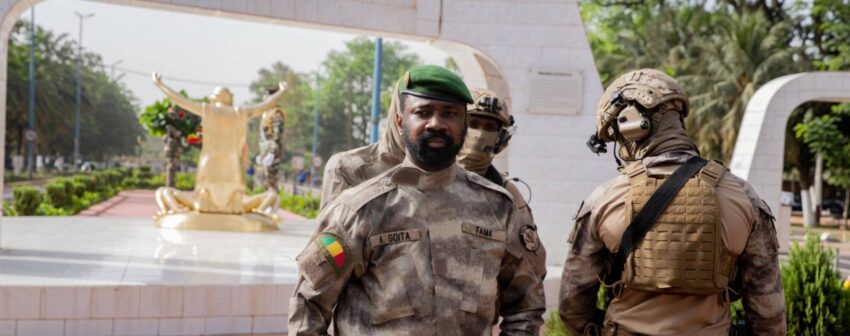
The Malian transitional authorities continue to boast of the growing strength of the Malian Armed Forces (FAMa) and their sovereign control over the territory. Yet the opening of the Military Tribunal’s session in Sévaré on October 19, 2026, starkly undercuts this narrative. With 72 defendants—69 of them soldiers—facing 43 cases ranging from arms trafficking to desertion and violent crimes, the courtroom lays bare an institution riddled with deep structural dysfunctions that are reshaping Mali’s security landscape.
Stolen state weapons now fueling jihadist arsenals
At the heart of this judicial reckoning is the mishandling of military hardware. Nearly half the cases involve the loss, theft, or illegal trafficking of weapons, ammunition, and magazines. Behind the legal jargon lies a grim security reality: a significant portion of the state-issued arsenal intended for Malian troops is ending up in the hands of the very groups it was meant to combat.
In the central and northern operational zones, equipment diverted through negligence, corruption, or active complicity among certain personnel is being seized by fighters from the Group for Support of Islam and Muslims (JNIM) and the Islamic State in the Greater Sahara (EIGS). While Bamako repeatedly denounces the alleged foreign backing of terrorist groups, the Sévaré tribunal exposes a homegrown supply chain just as damaging—one flourishing within military barracks and ammunition depots. The irony is brutal: Malian soldiers are increasingly dying under fire from weapons paid for by their own national budget.
A collapsing morale: desertions and abuses erode public trust
The second disturbing trend emerging from the tribunal is the surge in desertion cases, which the military prosecutor has identified as the second most prevalent category of offenses. The rising tide of soldiers abandoning their posts or fleeing under irregular circumstances signals a moral exhaustion and a breakdown of discipline that no amount of rhetoric about “sacrifice” can conceal. Despite repeated calls for reintegration and ultimatums from the high command, the exodus continues, thinning the ranks on the front lines.
Even more damning are the allegations of assassination, torture, kidnapping, and sexual violence leveled against military personnel. These atrocities, committed against civilians, confirm the long-standing warnings from human rights organizations. Such abuses not only alienate local communities—the army’s most critical source of intelligence—but also hand jihadist groups a powerful propaganda tool, allowing them to position themselves as protectors against state-sponsored brutality.
A justice system struggling to keep up
The Military Tribunal’s proceedings in Mopti, framed as an exercise in transparency and accountability, instead highlight the chronic failures of Mali’s military justice system. The prosecution cites insecurity, a shortage of magistrates, and geographic isolation to explain the infrequency of hearings. But the consequences are dire: prolonged pretrial detentions, condemned by the Malian Bar Association, have left some defendants languishing in prison for years without facing a judge. The system’s inefficiency only deepens the crisis of confidence in the institutions meant to uphold the law.
The urgent need for leadership accountability
For Colonel Assimi Goïta and the supreme command, the Sévaré trials must not be dismissed as a routine cleanup operation or a public relations exercise. They represent a stark warning: no military strategy can succeed if the chain of command allows weapons to fall into enemy hands, if discipline collapses on the battlefield, and if justice operates in fits and starts. Before demanding blind trust from the population, Mali’s defense apparatus must first confront its internal failures—the very leaks through which its own strength is draining away.