Bamako under siege: JNIM blockade triggers humanitarian alarms
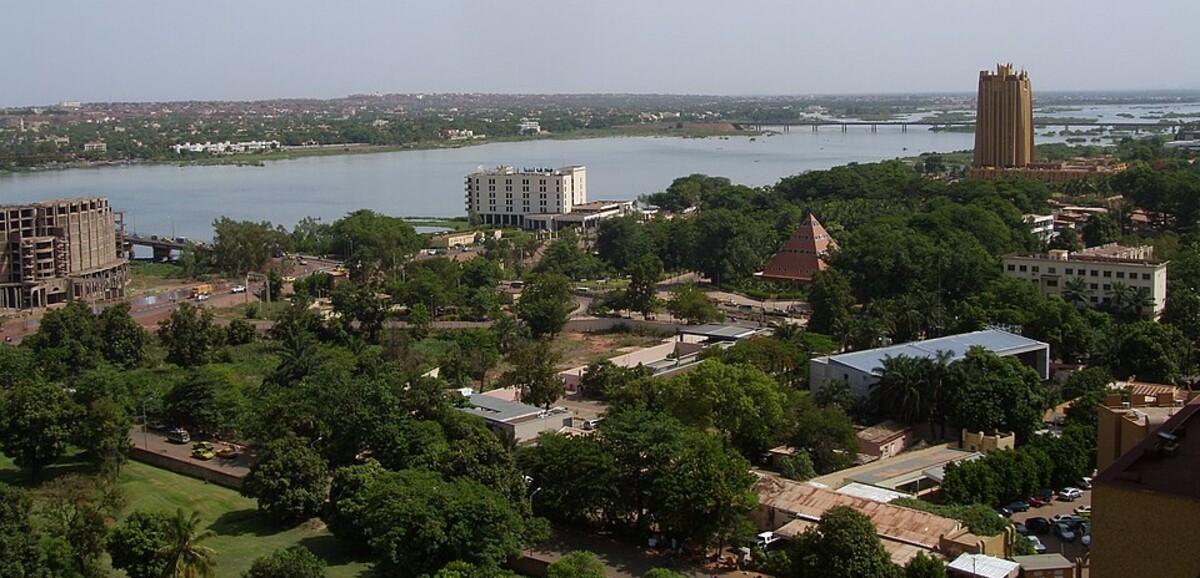
The capital of Mali, Bamako, has been under a blockade imposed by the Group for the Support of Islam and Muslims (JNIM) since April 30. The siege has drastically restricted civilian movement, prompting international concern.
International outcry over civilian rights violations
A leading human rights organization has strongly condemned the ongoing blockade, labeling its impact on civilians as “unacceptable consequences”. The group emphasized that the restrictions threaten the fundamental rights of residents, including access to food, healthcare, and safety.
In a public statement, the organization highlighted the illegality of attacks on civilian vehicles, stressing that “under international humanitarian law, all conflict parties must distinguish between civilians and combatants at all times.”
The blockade follows coordinated assaults by JNIM, affiliated with Al-Qaeda, and the Azawad Liberation Front (FLA) on April 25 and 26. These attacks targeted strategic positions held by Mali’s military leadership.
Rising tensions and suspended transport links
Human rights monitors reported a deadly assault on May 6 against a civilian convoy transporting goods—including fresh produce—between Bamako and Bougouni. The attack occurred despite the absence of military escort or personnel, further escalating fears of civilian casualties and economic disruption.
In response to the blockade, several transport companies have halted all routes in and out of Bamako, leaving residents and businesses grappling with severe logistical challenges. The suspension of essential services has raised alarms about potential shortages of critical supplies in the coming weeks.
The blockade has not only restricted movement but also intensified pressure on the capital, where civilians face mounting threats to their safety and livelihoods. Authorities and humanitarian groups are now scrambling to assess the full extent of the damage and devise strategies to mitigate the crisis.