Mali blocus JNIM: Amnesty warns of dire impact on civilians in Bamako
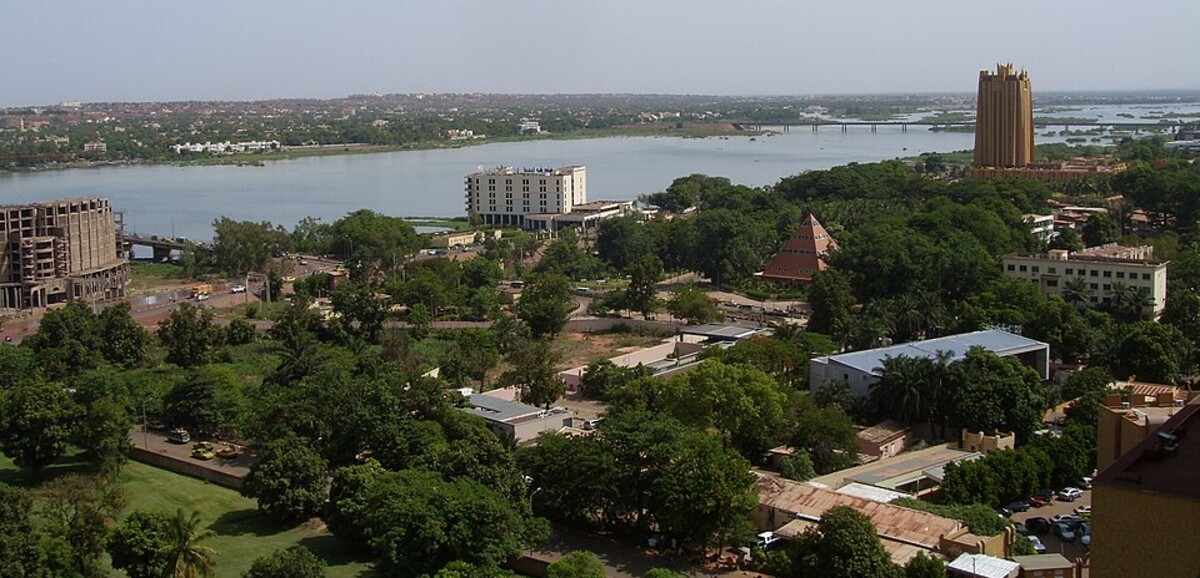
The capital of Mali, Bamako, has been under a blockade imposed by the Group for the Support of Islam and Muslims (JNIM) since April 30. This week, Amnesty International issued an urgent call for the armed group to lift restrictions that are severely affecting the movement of civilians.
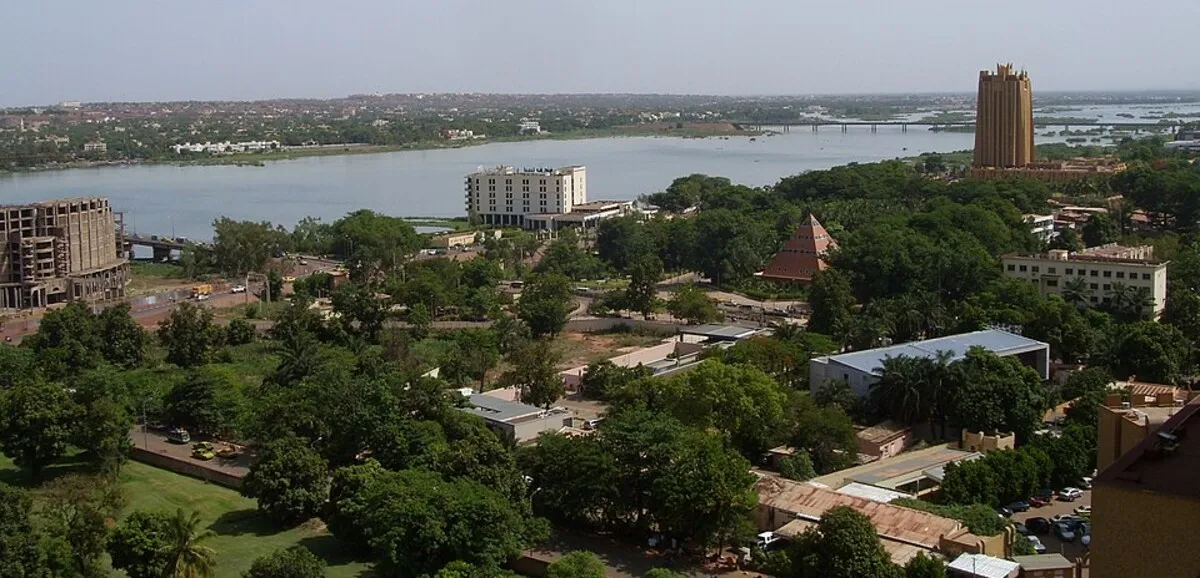
The blockade has plunged Bamako into a critical humanitarian situation, cutting off access to essential goods and services. On April 25-26, coordinated attacks by the JNIM—aligned with Al-Qaeda—and the Azawad Liberation Front (FLA) targeted key military positions, escalating tensions across the country.
A blockade with “unacceptable consequences”
Amnesty International has condemned the blockade, warning of its severe repercussions on civilians. “The restrictions violate fundamental rights, including access to food, healthcare, and life itself,” stated Marceau Sivieude, Amnesty’s regional director. “Attacks on civilian vehicles are illegal under international humanitarian law, which requires all parties to distinguish between combatants and non-combatants.”
The organization highlighted an incident on May 6, when a convoy of trucks carrying civilian goods—such as fruits—from Bamako to Bougouni was targeted. According to Amnesty, the vehicles were not military-related and posed no threat. Several transport companies have since suspended operations to and from the capital due to the blockade.