
The legal storm brewing around Oswald Baboke in Cameroon
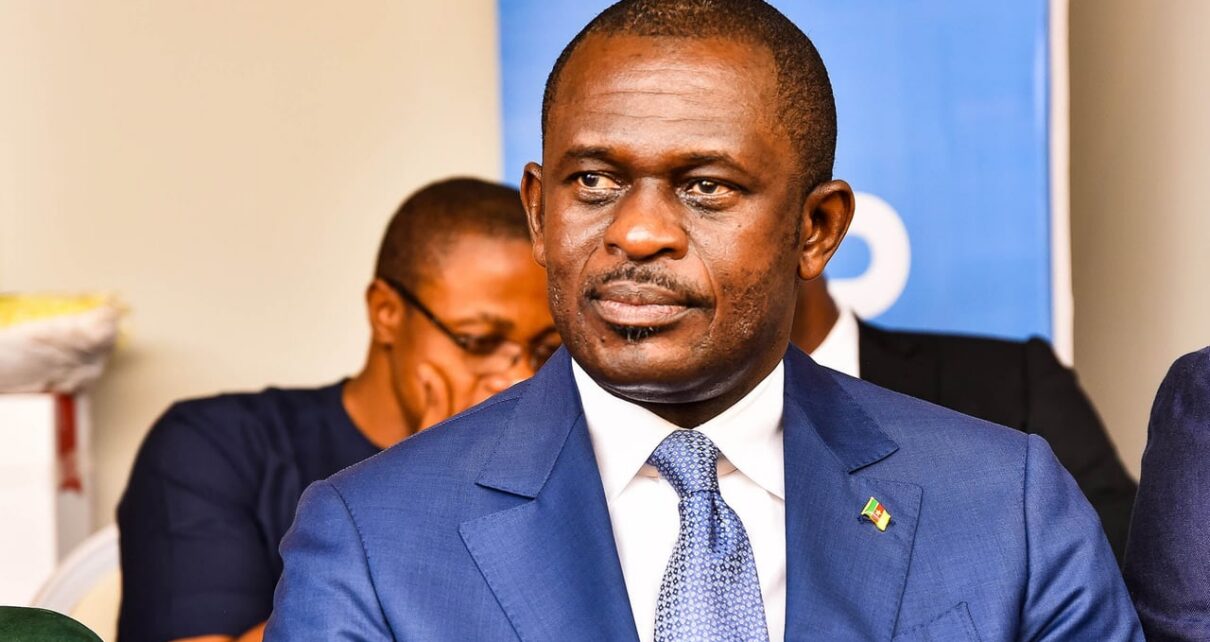
In a move that has sent ripples through Cameroon’s political and legal circles, Oswald Baboke, deputy director of the civil cabinet of the presidency, has been summoned before the Special Criminal Court. This development raises critical questions about the timing, the charges, and the broader implications for the country’s governance.
What triggered Baboke’s court appearance?
The summons marks a significant escalation in a saga that has been unfolding behind closed doors for months. While the exact allegations remain undisclosed, insiders suggest they may be linked to procedural irregularities in high-level administrative decisions. The court’s involvement signals a shift from internal investigations to a formal judicial process, underscoring the seriousness of the matter.
Inside the Special Criminal Court’s mandate
Established to address crimes against the state and severe corruption cases, the Special Criminal Court operates outside the standard judicial framework. Its proceedings are shrouded in confidentiality, reserved for cases deemed to pose existential threats to national security or institutional integrity. Baboke’s case appears to have met this threshold, prompting immediate action.
Key figures and institutions under scrutiny
As the dust settles, attention is turning to the networks and individuals tied to the allegations. The presidency’s civil cabinet, a hub for policy coordination and executive directives, finds itself at the center of this controversy. Figures close to the administration are now navigating uncharted legal terrain, where every statement and document could carry weight in court.
Public reaction and political fallout
Cameroon’s political landscape is no stranger to turbulence, and this development has only intensified debates about transparency and accountability. Opposition voices are seizing the moment to demand clarity, while ruling party supporters are calling for patience until the judicial process runs its course. The case has also sparked discussions about the court’s role in a democracy, with critics questioning whether its powers are being used proportionately.
What’s next for the case?
The coming weeks will be pivotal. Legal experts predict a series of hearings where evidence will be scrutinized, witnesses may testify, and procedural battles could unfold. For Baboke, this is a defining moment—one that could reshape his career and Cameroon’s political narrative. Meanwhile, the court’s decisions will be closely watched, as they may set precedents for how similar cases are handled in the future.
The unfolding events serve as a stark reminder of the delicate balance between power and accountability. As Cameroon grapples with this legal challenge, the nation is being forced to confront uncomfortable questions about governance, trust, and the rule of law.