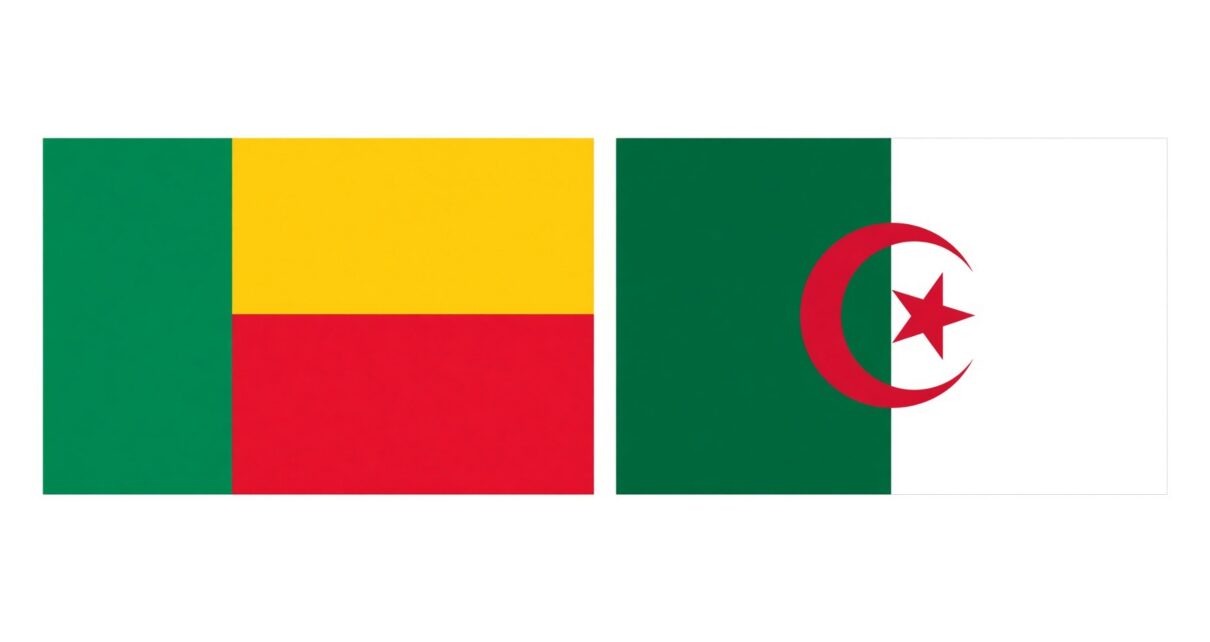
The defense arrangement taking shape between Cotonou and Algiers is anything but a ceremonial affair. Its consequences will land on households in northern Benin, on the balance sheets of cross-border traders and on a national budget already stretched by security spending, well before any treaty is formally inked.
Why armed groups in the north have turned into an economic headache
For years, the unrelenting pressure exerted by terrorist armed groups across northern Benin was treated largely as a military file. The reality is more uncomfortable. When armed movements operate near a border, the earliest casualties are ordinary livelihoods: fields are abandoned, herding routes shift, transporters steer clear of certain roads, and the cost of moving goods creeps upward.
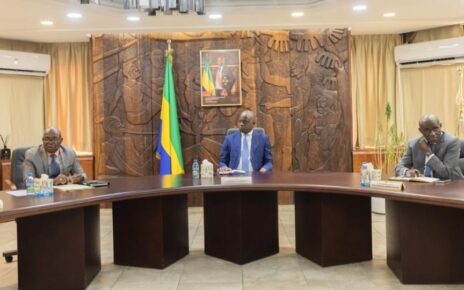
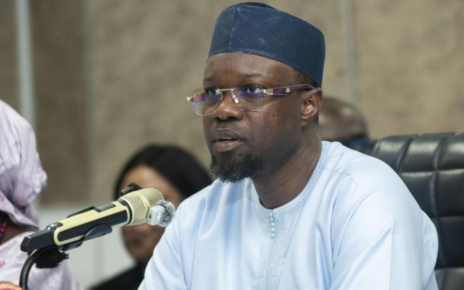
That is the backdrop against which the Ministry of National Defense received a high-level diplomatic and military delegation from the People’s Democratic Republic of Algeria. The talks were never about symbolism. They were about sharpening the capacity of the Beninese Armed Forces to anticipate and hit back, at a moment when the threat is no longer remote.
What the Algerian model brings to Cotonou
Turning to Algiers was a calculated choice, and the logic rests on three pillars.
- A battle-tested counterterrorism record: the Algerian military carries internationally recognized experience in dismantling insurgent strongholds, controlling land borders and running surveillance across semi-arid and Sahelian terrain.
- A broader circle of partners: true to its pragmatic line, Benin wants to multiply its military cooperation channels, from logistics training to intelligence technology, without leaning exclusively on traditional Western partners or on rigid alignment schemes.
- The training dividend: access to Algeria’s military academies and tactical training centers is a powerful lever for upgrading the Beninese officer corps and elite units.
From a handshake to a binding framework
The discussions produced concrete orientations designed to give this interstate cooperation a lasting structure.
A defense framework agreement
Both delegations laid the groundwork for a legal instrument establishing reinforced technical cooperation, continuous training for Beninese military officers, and the transfer of expertise in crisis management as well as electromagnetic and tactical intelligence.
A permanent operational channel
Cotonou and Algiers agreed to open a direct and regular line of communication to coordinate their assessment of the cross-border threats destabilizing the Sahelo-Saharan space and endangering the Gulf of Guinea.
A signal in favor of collective stability
Through this understanding, Algiers confirms its intention to reinvest in diplomatic and security engagement across sub-Saharan Africa, while Cotonou strengthens its standing as a strategic lock guarding the West African coastline.
What changes on the ground for households, businesses and the treasury
This is where the partnership stops being a matter of communiqués and starts touching daily life.
Security that reaches the border posts
Units trained by Algerian instructors and fed by better tactical intelligence are expected to hold ground more effectively along the northern frontier. For residents of communities closest to the threat, that means fewer displacements, more predictable movement between villages and markets, and a state presence that no longer feels intermittent.
A steadier climate for trade
Commerce is the first casualty of insecurity. When roads are considered risky, hauliers demand premiums, insurers raise their terms and delivery times slip, pushing up prices on staples in markets far from the border. A more capable security apparatus, combined with a permanent threat-assessment channel between the two capitals, could gradually restore confidence among traders and investors who have priced northern Benin as a high-risk destination.
The budget trade-off
Every dinar or franc directed at defense is money not spent on schools, clinics or roads. That is the hard arithmetic facing Cotonou. The bet behind this partnership is that importing proven expertise and training is cheaper, and faster, than building that capability from scratch, and that a calmer north will eventually widen the fiscal room available for civilian spending.
A wager whose payoff will be counted in years
By sealing this strategic rapprochement with Algeria, Benin signals that it intends to answer a regional security crisis with a proactive doctrine: train its own soldiers, widen its base of support and lean on the experience of major continental players. The results will not show up in a single quarterly report. They will show up in whether farmers return to their fields, whether trucks keep rolling north, and whether the Gulf of Guinea corridor remains a place where business can be done.