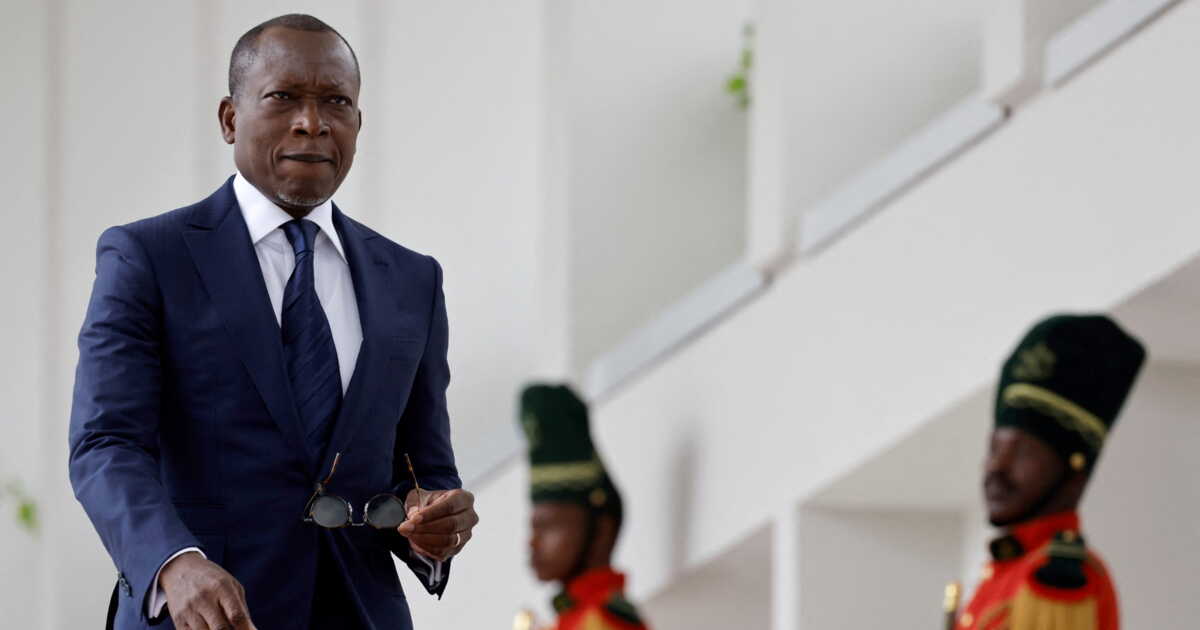
Military instability continues to plague West Africa, with the latest crisis unfolding in Benin. Since early 2020, the region has witnessed multiple coups d’état across Sahel nations, Guinea, and most recently Guinea-Bissau. These political upheavals have reshaped power dynamics and raised concerns about regional security.
Several military juntas in Burkina Faso, Niger, and Mali have publicly distanced themselves from former colonial power France, marking a significant shift in diplomatic relations. While Benin remains a key ally, France has reaffirmed its support through coordinated efforts with regional partners.
French President Emmanuel Macron engaged in high-level discussions over the weekend, speaking with Beninese President Patrice Talon—targeted in the attempted coup—as well as Nigerian and Sierra Leonean leaders. A senior advisor to Macron stated: “France stands fully behind ECOWAS, which has taken decisive action this weekend.”
On Sunday morning, eight soldiers appeared on national television in Benin, declaring they had removed President Talon from power. Hours later, the president addressed the nation, asserting the situation was “fully under control.” Authorities reported multiple casualties following clashes between mutineers and loyalist forces.
To restore stability, Benin received critical support from neighboring Nigeria, which conducted air strikes on the Togbin military base in Cotonou—where mutineers had regrouped after their televised announcement. Nigerian ground troops also intervened, helping retake the base overnight.
ECOWAS mobilizes regional forces
ECOWAS swiftly condemned the coup attempt and deployed military reinforcements from four member states, though troop numbers remain undisclosed. The bloc emphasized its commitment to upholding constitutional order amid escalating threats.
Omar Alieu Touray, President of the ECOWAS Commission, declared on Tuesday: “Our community is in a state of emergency.” He cited both jihadist insurgencies and coup attempts as major destabilizing factors in the region.
While a dozen soldiers have been arrested, including several high-ranking officers, key figures like Lieutenant-Colonel Pascal Tigri remain at large. The mutineers had briefly held hostage two senior military leaders—the army chief of staff, Abou Issa, and the national guard commander, Faïzou Gomina—who were released on Monday.
Life in Cotonou, Benin’s economic hub, has resumed normalcy. President Talon, who came to power in 2016, is constitutionally barred from seeking a third term and must step down after the April presidential election. His tenure has been marked by economic growth but also criticism over democratic backsliding.
The leading candidate to succeed him, Finance Minister Romuald Wadagni, faces little opposition after the main opposition party, the Democrats, was excluded due to insufficient endorsements. Former President Thomas Boni Yayi (2006–2016), now heading the Democrats, condemned the coup attempt, stating: “I strongly and firmly condemn this bloody and despicable attack on our nation.” He also called for “free and transparent elections.”
ECOWAS leaders warn that elections have become a major trigger for instability in West Africa, highlighting a growing “decline in electoral inclusivity” across member states.