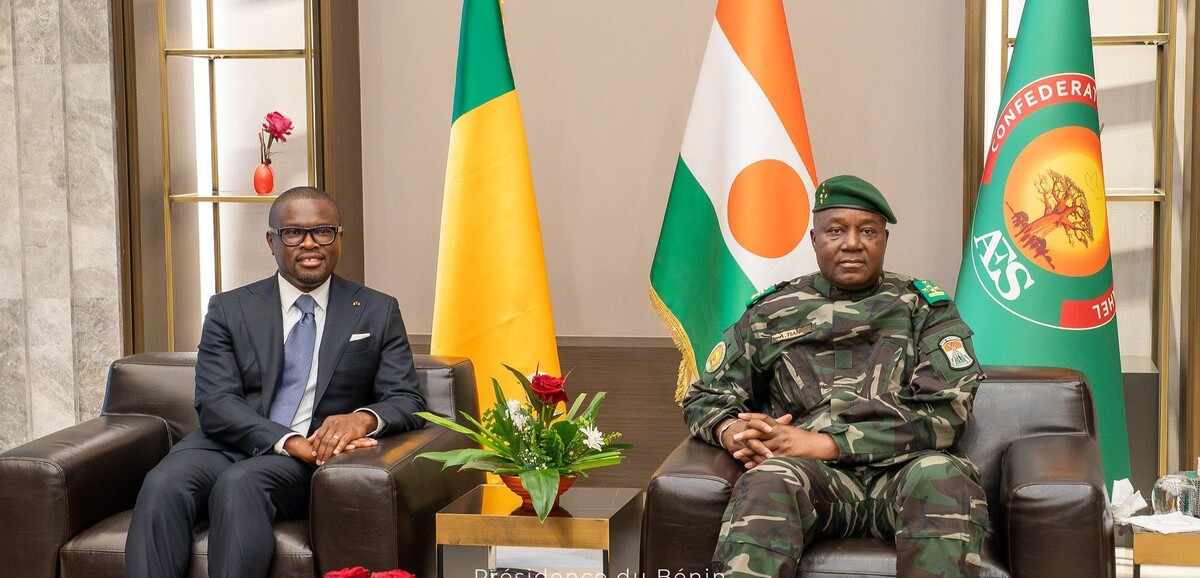
Last saturday, Niger’s interior minister, general mohamed toumba, travelled to Benin to meet experts handling the reopening of the shared border. He laid down three prerequisites: a defence agreement, a security pact guaranteeing that neither side’s territory will be used against the other, and full transparency on foreign military assets stationed near the border. Does Benin have any reason to reject these conditions?
First, this is a normal negotiation context. When entering talks, each side tries to maximise its demands, then adjusts to what the partner can accept. In principle, Benin cannot dismiss these prerequisites, especially since a defence accord already existed between the two countries until Niger renounced it in september 2023.
As for transparency, Benin has repeatedly offered clear explanations to reassure Niger that no foreign bases exist on its soil. That second point is mainly about communication efforts to calm Niger’s fears. It is essentially a territorial integrity issue. The third condition, however, appears more delicate and will likely spark further discussions. Not all conditions will be accepted wholesale.
Following romuald wadagni’s visit to Niger in early june, an expert committee was tasked with identifying sticking points before proposing reopening terms. Beyond the three conditions, what are those obstacles?
One major hurdle is Niger’s lack of assurance that its territory will not be violated by foreign forces. To be blunt, this points primarily to France, which has poor relations with Niger’s government but maintains normal ties and military cooperation with Benin. That is the biggest sticking point.
We are in a security dilemma context. Even though top authorities from both countries have clearly expressed political will to warm relations and restore diplomatic links, this issue is not insurmountable. Niger mainly seeks reassurance and verification that no hostile intentions exist along its borders.
The border closure, now three years old, has caused heavy consequences for border communities, truckers using that route, and both economies and security. Isn’t reopening inevitable for both economies and to address some security problems?
That is a crucial point. Niger must also understand that the closure is not solely Benin’s fault; Niger shares responsibility. Everyone knows the port of Cotonou is Niger’s natural gateway. The opportunity cost is extremely high for Niger, with major impacts on both economies. Both sides have a clear interest in reaching a solution.