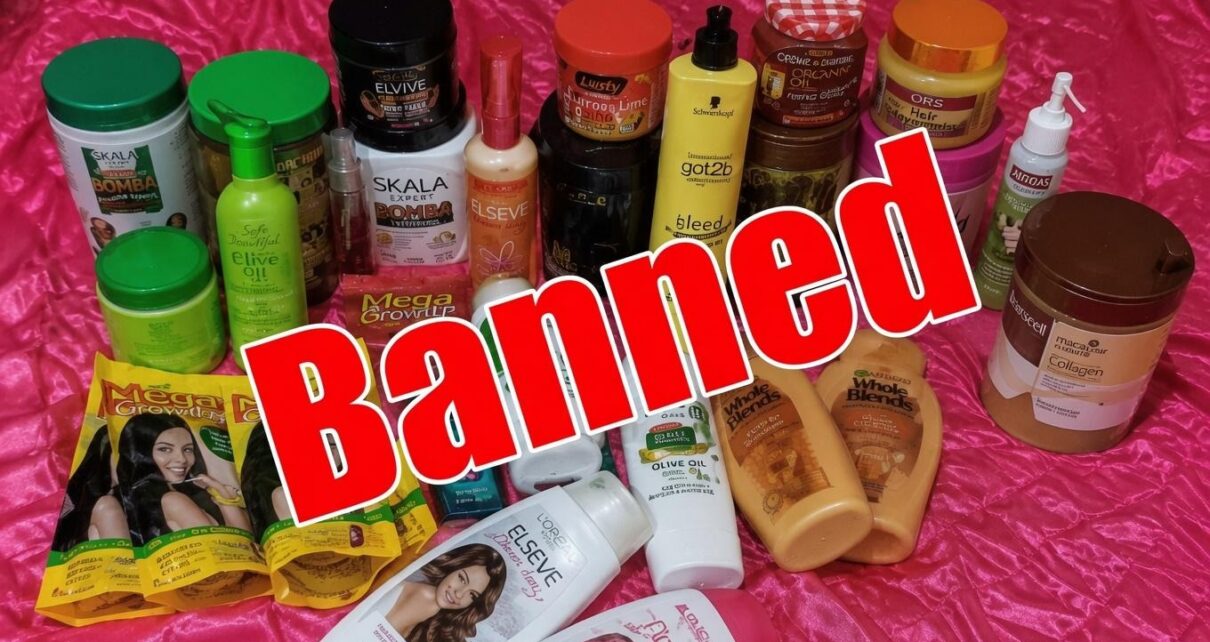
The Government of Bénin has taken decisive action against the widespread use of skin-lightening products. Effective from May 5th, a comprehensive ban prohibits the sale of creams, lotions, and other substances intended to lighten skin across the entire nation. This bold initiative targets a deeply entrenched practice with mounting public health concerns.
Ending the ‘tchatcho’ phenomenon
In Bénin, the use of artificial skin-lightening products, colloquially referred to as ‘tchatcho,’ spans all social strata. These products were readily available, from the bustling stalls of Dantokpa Market to online retailers on social platforms.
The newly enforced ban seeks to dismantle the supply chains supporting this lucrative yet perilous trade. The Ministry of Health, in coordination with pharmaceutical regulatory bodies, has compiled a definitive list of prohibited items. Authorities have announced intensified inspections targeting both wholesalers and small-scale vendors to ensure compliance.
The crackdown aims to sever the flow of goods originating from illicit trade and unregulated artisanal concoctions, whose ingredients remain unchecked and potentially hazardous.
Severe health risks fueling the ban
The Government’s stringent measures stem from long-standing concerns raised by healthcare professionals regarding the dangers of artificial depigmentation.
Many of these products contain perilous ingredients such as hydroquinone, potent corticosteroids, and mercury. Prolonged use of these substances can lead to severe skin damage, including thinning, deep stretch marks, delayed wound healing, and chronic infections.
The hazards extend beyond superficial damage. When absorbed into the body, these chemicals may contribute to life-threatening conditions, including chronic kidney failure, hypertension, metabolic disorders, and an elevated risk of skin cancers.
Beyond enforcement: a cultural shift is essential
While the ban has been welcomed by medical experts, its implementation poses significant challenges. Authorities must contend with porous borders, the smuggling of prohibited goods, and the adaptability of vendors who frequently alter packaging to evade detection.
The deeper challenge lies in altering cultural perceptions. The preference for lighter skin tones, driven by entrenched beauty standards and social pressures, continues to fuel demand for these products.
For this policy to yield lasting results, it must be accompanied by robust public awareness campaigns. These efforts should promote the acceptance of natural skin tones and challenge the discriminatory ideals perpetuating the ‘tchatcho’ phenomenon.
By initiating this crackdown, Bénin has taken a pivotal step toward safeguarding public health. The true test lies in whether the authorities’ resolve, combined with shifting societal attitudes, can sustainably curb the use of harmful skin-lightening products.