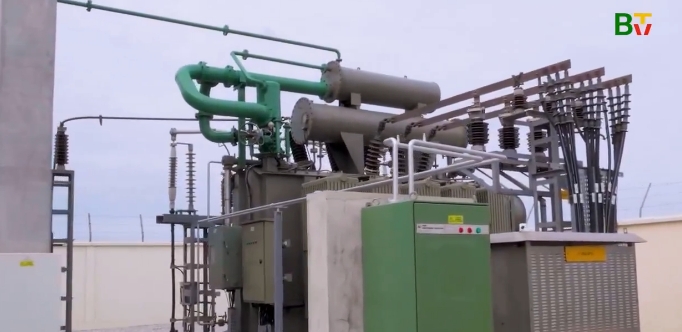
The West African nation of Benin is set to experience a significant shift in its energy landscape, with the upcoming launch of four new solar photovoltaic power plants projected to add 62 megawatts of clean energy capacity. Scheduled to come online in early 2028, these installations located in Natitingou, Djougou, Parakou, and Bohicon represent a €45 million investment aimed at curbing the country’s reliance on imported electricity while driving down operational costs for both households and businesses.
Four cities, one goal: diversifying energy production
The strategic placement of the solar facilities reflects a deliberate effort to decentralize energy generation and support regional economic development. The Natitingou, Djougou, Parakou, and Bohicon sites were selected for their growing industrial activity, enabling local businesses to benefit directly from the additional power supply and reduce operational disruptions caused by unreliable grid access. Together, the plants will contribute approximately 110 gigawatt-hours (GWh) of renewable electricity annually, meeting the electricity needs of an estimated 383,000 people.
For small business owners and artisans, consistent power availability means extended production hours, reduced spoilage in food-based enterprises, and greater competitiveness in local and regional markets. Industrial players, particularly those in agro-processing and manufacturing, stand to gain significantly as the added capacity helps bridge the country’s current energy deficit, which has historically constrained expansion efforts.
Breaking the cycle of energy imports
Benin has long depended on imported electricity from neighboring countries, a dependency that has proven vulnerable to regional price fluctuations and supply chain disruptions. With the new solar initiative, the government aims to slash its external electricity expenditure by up to 17% by 2035, translating to substantial financial savings for public coffers and private enterprises alike. The financial implications are clear: reduced energy import bills can free up capital for critical infrastructure projects, education, and healthcare, thereby strengthening the nation’s economic resilience.
However, experts caution that the transition will require more than just additional generation capacity. A robust transmission and distribution network is essential to ensure the newly produced electricity reaches end-users without significant losses. Upgrades to substations and grid infrastructure, already underway in key urban centers, will play a crucial role in maintaining service stability as output increases.
A public-private partnership driving innovation
The €30 million financing package, secured through a mix of national and international stakeholders, underscores the viability of Benin’s renewable energy sector. AXIAN Energy, in collaboration with Benin’s Caisse des Dépôts et Consignations and international financiers such as the International Finance Corporation (IFC) and Proparco, is spearheading the development under an Independent Power Producer (IPP) model. This structure allows private investors to fund and operate the facilities while selling electricity to Benin’s national utility, SBE (Société Béninoise d’Électricité), under long-term power purchase agreements.
This approach not only leverages private sector efficiency but also ensures that the state retains regulatory oversight, aligning infrastructure development with national energy priorities. The model, pioneered by the IPP50 project, is expected to pave the way for future renewable energy ventures across the country.
Overcoming delays and securing long-term sustainability
The path to this milestone has not been without challenges. Initial plans, first proposed in 2019, faced delays due to the COVID-19 pandemic and subsequent global supply chain disruptions. Rising material and labor costs further complicated financial negotiations, leading to the withdrawal of the project’s first sponsor. The successful revival of the initiative in late 2026 highlights the government’s commitment to overcoming obstacles and achieving energy sovereignty.
Environmental benefits that extend beyond kilowatts
In addition to economic advantages, the solar expansion will yield substantial environmental gains. By replacing fossil fuel-based electricity imports with locally generated solar power, Benin is projected to prevent approximately 62,000 metric tons of carbon dioxide emissions annually. This reduction contributes to global climate goals and positions the country as a leader in sustainable energy transition within West Africa.
The initiative aligns with the National Energy Pact, which sets ambitious targets for 2030: achieving a 70% national electrification rate, increasing the share of renewables to 30% of the energy mix, and connecting an additional 928,000 households to the grid. The solar plants serve as tangible proof of the government’s dedication to these objectives, offering a scalable blueprint for future renewable energy projects.
What’s next: delivery, integration, and impact
The countdown to commercial operation is now underway, with construction slated for completion by the first quarter of 2028. Successful execution will hinge on a coordinated effort between developers, utilities, and local authorities to ensure seamless grid integration and minimize service interruptions. Ongoing training programs for technical staff and partnerships with vocational schools aim to build local expertise in solar energy maintenance and operations, fostering job creation and skill development in the sector.
For Benin, the stakes are high. The solar initiative is not just about adding megawatts it’s about laying the foundation for a more self-sufficient, competitive, and environmentally responsible economy. Whether the venture delivers on its promises will depend not only on the plants’ operational performance but also on the nation’s ability to harness this newfound energy resilience for broader socio-economic progress.
By Cécile Mboua — Journalist