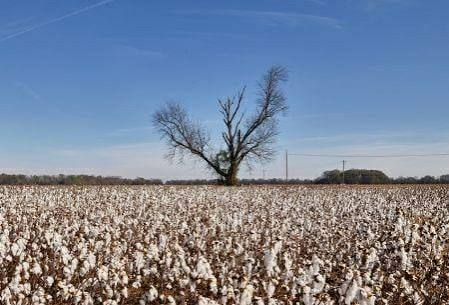
As Benin gears up for the 2026-2027 cotton growing season, the government is rolling out an unprecedented pilot program aiming to transform the livelihoods of smallholder farmers. The plan, set to launch during the 2026 short rainy season, combines intensive agricultural techniques with cutting-edge digital monitoring to address one of the country’s most pressing economic challenges: stagnating cotton yields.
From theory to practice: how Benin’s farmers are being supported
Unlike previous initiatives that relied solely on generalized recommendations, this program introduces direct, on-the-ground agricultural counseling. Teams of specialized advisors will work side-by-side with farmers in agricultural development zones of poles 2, 3, and 4, guiding them through every stage of cotton cultivation with updated agronomic practices.
Farmers will receive hands-on training on modern planting techniques, precise fertilizer application, and pest management strategies tailored to local conditions. This shift from abstract advice to practical implementation is designed to bridge the gap between potential and actual production, which currently limits many rural households’ income.
Digital agriculture: tracking every cotton field in real time
A groundbreaking digital platform will serve as the backbone of the pilot, enabling real-time tracking of each participating plot. Using GPS technology, authorities can pinpoint every field involved in the program, ensuring accurate data collection from seed to harvest.
The system logs every input—seeds, fertilizer, pesticides—used on each plot, providing a transparent record throughout the growing cycle. Farmers, transporters, and ginning factories are all connected, creating a seamless data flow that helps identify inefficiencies and optimize resource use. By the time the cotton is weighed, producers will have access to detailed analytics on their yields, empowering them to make data-driven decisions in future seasons.
A pilot that could reshape Benin’s rural economy by 2033
Approved by the Council of Ministers in September 2026, this pilot serves as both a test and a blueprint. Its success could shape the future of Benin’s cotton sector, which is central to the government’s Bénin Vert 2033 initiative—a long-term vision for sustainable, climate-resilient agriculture. Beyond boosting yields, the program aims to strengthen the entire value chain, from farm to textile factory.
The project also includes a social safety net component, targeting vulnerable farming households with health and income support mechanisms. This holistic approach reflects a recognition that cotton production is not just about economics—it’s about rural stability and food security across Benin.
The logistical challenge: connecting farms to markets efficiently
Even with higher yields, the program’s impact hinges on efficient logistics. Benin’s cotton supply chain has long been plagued by bottlenecks: delayed transport, inconsistent routes, and poor coordination between producers, transporters, and processing plants. The pilot addresses this by standardizing transport routes and improving communication between all stakeholders.
By aligning planting schedules with harvesting and processing timelines, the government hopes to reduce post-harvest losses and ensure that every kilogram of cotton reaches ginning facilities in optimal condition. This improved flow is expected to shorten the time between harvest and payment, directly benefiting farmers’ cash flow—a critical factor for rural households.
What’s at stake for Benin’s cotton farmers and the nation
The outcomes of this pilot will determine whether Benin can break through decades of yield stagnation and meet ambitious production targets set for 2033. If successful, the model could be scaled nationwide, setting a precedent for other cash crops across West Africa.
But the stakes go beyond tonnage. Cotton is more than a crop in Benin—it’s a cornerstone of rural employment, a key export, and a driver of agricultural modernization. The pilot’s real-world test will reveal not only whether the technical approach works, but whether it can sustain the lives of half a million families who depend on cotton for their survival.
With the 2026 short rainy season just months away, Benin stands at a crossroads. Will this intensive farming experiment deliver the promised transformation, or will it expose the chasm between policy promises and rural reality? The answer will unfold in the fields of poles 2, 3, and 4—and beyond.