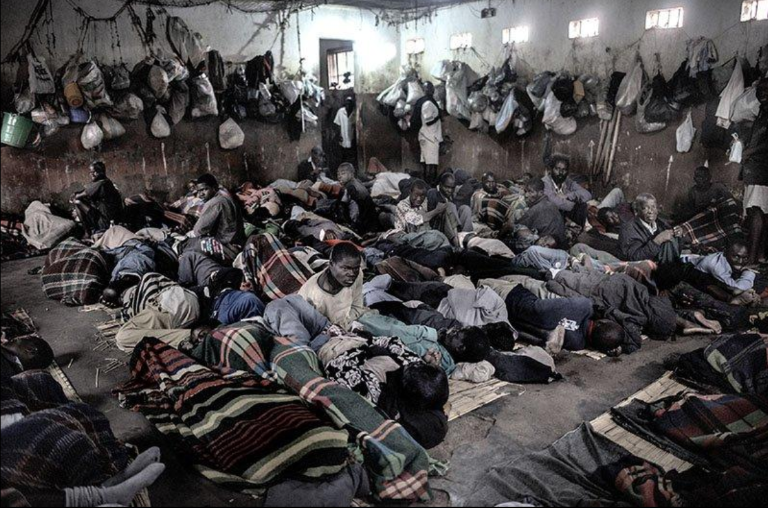
When a cell becomes a death trap: the realities behind Niger state’s prison tragedy
In a single night in Minna, Niger State, 33 detainees—including 14 children—lost their lives in a space no larger than 12 square meters. The incident, which occurred in September 2026, has exposed systemic failures that turn detention facilities into lethal environments. Instead of serving justice, these institutions are failing those entrusted to them.
A lethal combination: overcrowding, neglect, and systemic collapse
An independent investigation later revealed that nearly 50 people had been crammed into a 12 m² cell meant for far fewer. The victims, found unresponsive the next morning, suffocated under extreme overcrowding, sweltering heat, and near-total lack of ventilation. With no access to clean water or functional sanitation, desperation set in—survivors later recounted drinking their own sweat and urine to stay alive.
But the tragedy wasn’t only the result of physical conditions. The report confirmed that guards ignored repeated pleas for help, some ignored for hours. The commission concluded that the deaths were entirely preventable—had authorities responded promptly, the outcome could have been different.
Failures of duty: how human oversight turned a cell into a grave
One of the most disturbing revelations was the duration of the ordeal. Despite desperate attempts to alert guards—through pounding on the cell door, shouting, and pleas for water—they received no response. The commission described this as a “failure of duty that led to unnecessary loss of life.”
The investigation further uncovered violations of legal and humanitarian standards: children detained alongside adults, individuals held without proper charges, and others denied access to legal representation. These conditions contravene both Nigerian law and international conventions on the treatment of detainees.
From preventable deaths to a continent-wide crisis
This disaster in Minna is not an isolated incident. It reflects a broader pattern across Africa, where prisons operate 30–60% above capacity, according to UNODC data. In 2025, over 60% of countries studied worldwide faced similar overcrowding—yet Africa’s situation is especially acute due to outdated infrastructure, weak judicial systems, and excessive use of pretrial detention.
Across the continent, 37% of incarcerated individuals in 2023 were awaiting trial—many for years—deprived of their freedom not by a court sentence, but by procedural delays. In Niger State alone, hundreds remain in detention without trial, trapped in deteriorating conditions where disease and despair spread faster than justice.
What’s driving the crisis? root causes behind deadly detention
- underfunded justice systems: slow courts, overburdened magistrates, and limited legal aid force prolonged detention.
- outdated facilities: many prisons were built decades ago and lack basic amenities like running water or ventilation.
- over-reliance on pretrial detention: harsh sentencing culture and weak alternatives to imprisonment swell prison populations unnecessarily.
- lack of accountability: insufficient oversight allows human rights abuses to go unchecked for years.
Human cost: broken families and shattered lives
The human toll extends far beyond the 33 lives lost. Survivors, including children, now face long-term psychological and physical trauma. Families of the victims endure grief compounded by financial hardship—many breadwinners were detained without cause, only to die behind bars. The emotional and economic ripple effects ripple through communities already struggling with poverty and instability.
One survivor, a teenager who lost three siblings in the incident, described the aftermath as “a silence heavier than the heat.” The state’s failure to protect the most vulnerable has left a wound that may never heal.
What must change? reforms that put dignity first
The commission has called for immediate action: sanctions for negligent staff, compensation for victims’ families, and criminal charges where warranted. But real change requires more than punishment—it demands structural reform.
African governments are urged to act on four fronts:
- speed up judicial processes: reduce pretrial detention by prioritizing case resolution and expanding plea bargains.
- expand alternatives to prison: for non-violent offenses, use community service, electronic monitoring, or restorative justice.
- upgrade prison conditions: invest in ventilation, sanitation, and medical care to meet minimum standards.
- separate children and adults: enforce laws protecting minors, ensuring no child is detained in an adult facility.
These steps are not optional. They are grounded in international law, including the United Nations Nelson Mandela Rules, which state that all detainees must be treated with humanity and respect.
A warning unanswered: how many more cells must become graves?
Thirty-three people—some no older than 14—died in a space meant to hold one-tenth of that number. Their deaths were not caused by crime. They were caused by a system that prioritized control over care, efficiency over justice, and silence over safety.
As African governments review this tragedy, one question remains: will they allow future detainees to share the same fate, or will they finally build prisons that uphold—not extinguish—human dignity?
The answer will define whether justice in Africa is built on compassion or on lethal negligence.